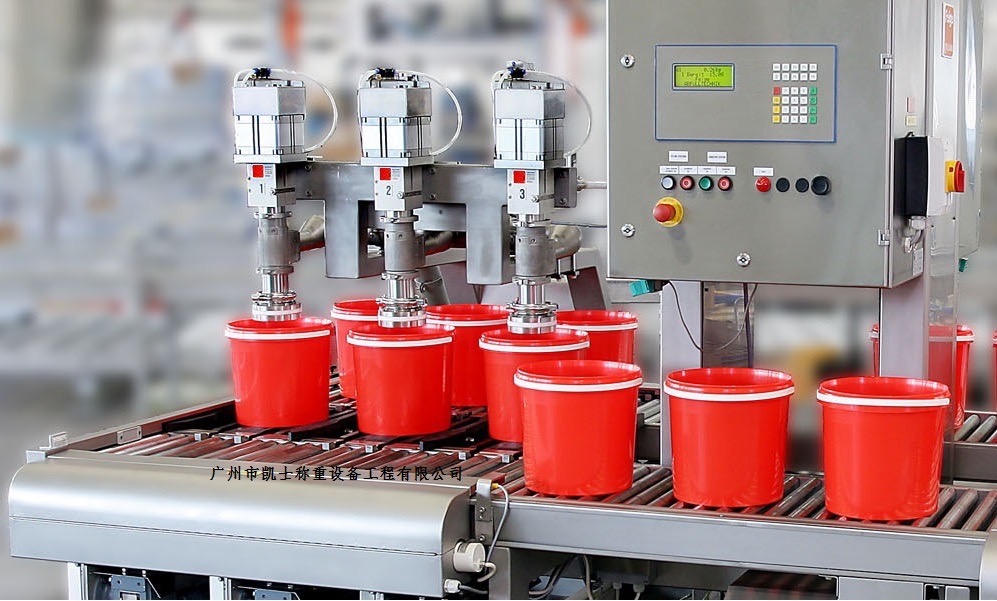






The Fully automatic liquid filling machine operates as follows: When the liquid level in the storage tank reaches the preset maximum value, the float pressure plate presses down on the mechanical valve contact, causing the mechanical valve to switch positions. Through the mechanical valve, the pneumatic valve is switched to be connected to the pneumatic butterfly valve, which then closes, stopping the liquid supply to the storage tank. As the filling process continues, the liquid level in the storage tank keeps decreasing. When the liquid level in the storage tank reaches the preset minimum value, the pressure plate releases from the mechanical valve contact. Under the spring force, the mechanical valve and the pneumatic valve return to their original positions, and the pneumatic butterfly valve is reopened. The liquid is then re-supplied to the storage tank through the pneumatic butterfly valve. This cycle repeats continuously.

 020-34563445
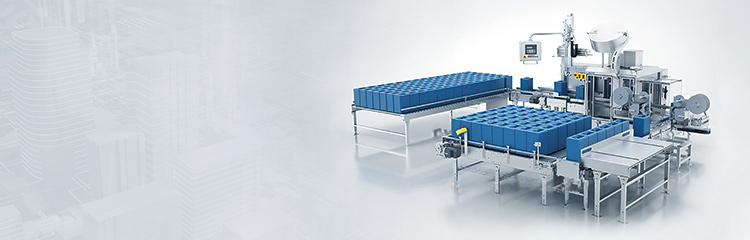
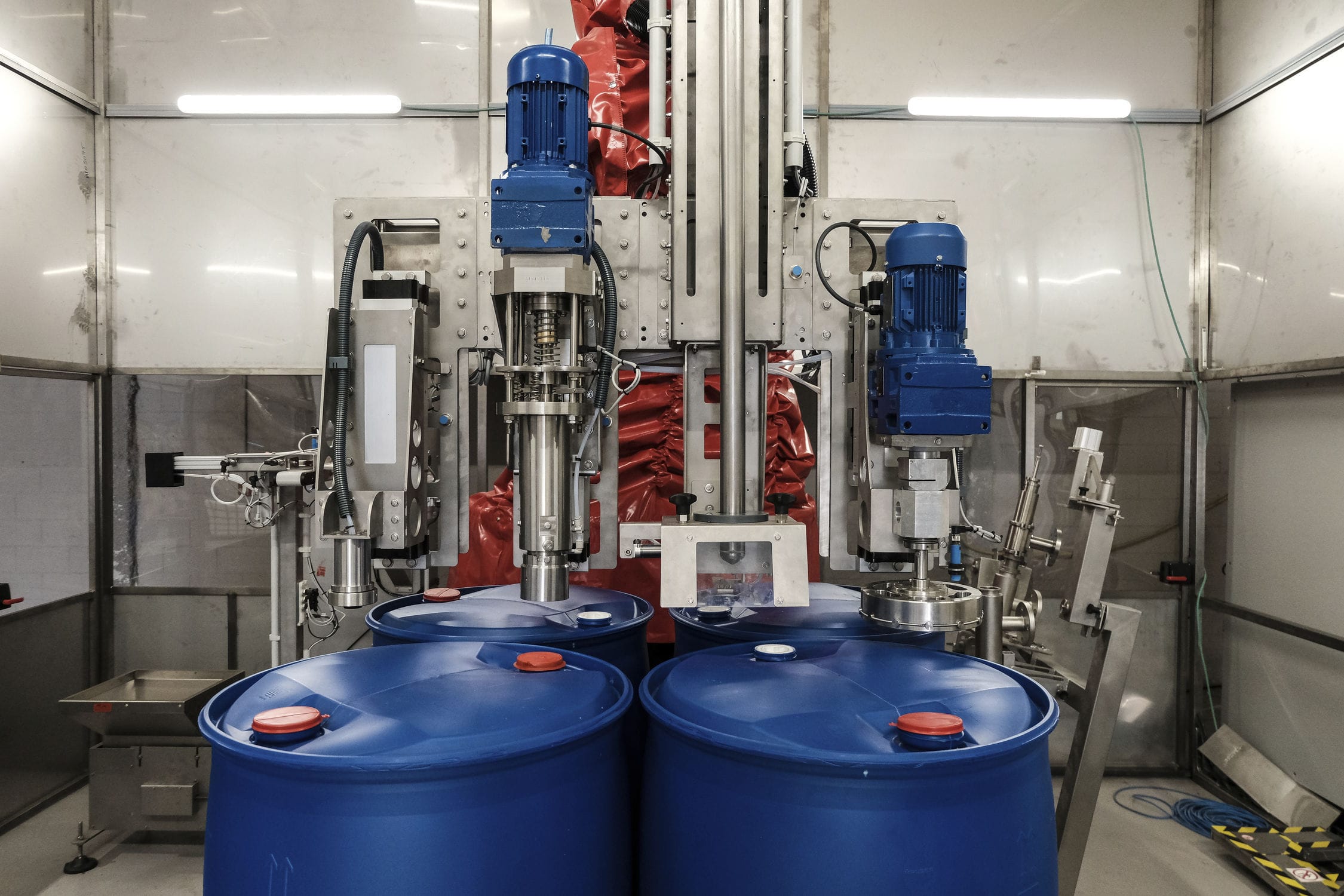
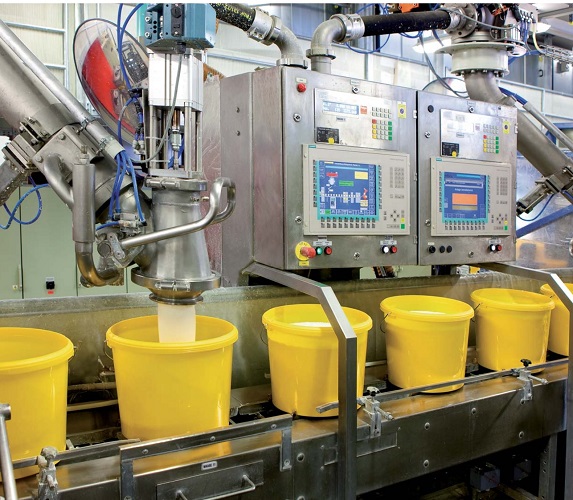
The intelligent packaging system designed for the Fully automatic liquid Filling machine is equipped with a visible window, and the automatic lifting and sliding doors facilitate sealing. The entire line automatically completes the process of loading the bucket, opening the sliding door, turning on and off. It automatically recognizes the bucket opening, automatically opens the lid, automatically fills the liquid, automatically screws on the threaded cap and checks for leaks, automatically installs a waterproof cap (optional), and automatically discharges the bucket. This machine is controlled by a programmable controller (PLC), with a touch screen operation. The electrical control part consists of a PLC programmable controller, a variable frequency speed regulator, etc. The filling head fills the liquid automatically into the bucket opening, and then automatically rises after the filling process is completed to prevent material splashing. At the lower part of the filling nozzle, there is a liquid collection cup to prevent material dripping. The opening and closing of the lid and screwing part: it can smoothly and easily open and screw the lid, without damaging the lid, without hurting the lid, and the sealing degree of the tightened lid is high. The leak detection part detects the bucket opening after the threaded cap is tightened and determines whether the lid is tightened. If it is不合格, an alarm is triggered.
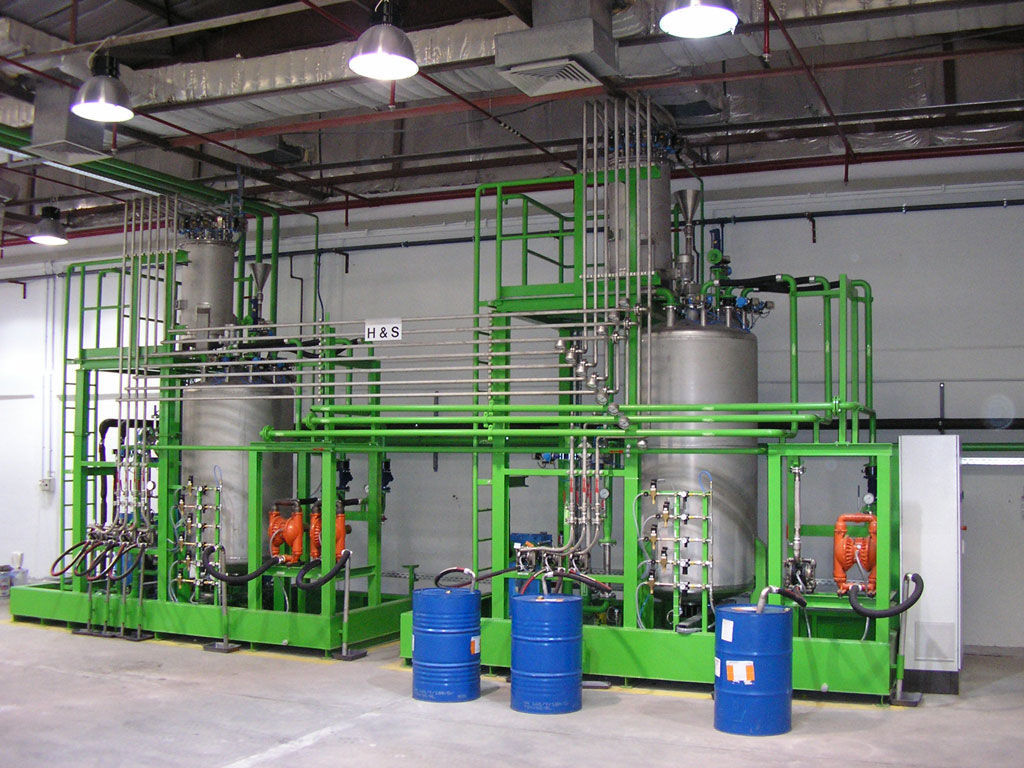
The Liquid filling machine when the liquid level in the storage tank is below the lower liquid surface (lower limit value), the float ball pressure plate detaches from the mechanical valve and the pneumatic butterfly valve opens, and liquid is transported to the storage tank through the feed inlet. As the liquid level continuously rises, the float assembly rotates in the direction of the arrow. When the liquid level in the storage tank reaches the upper liquid surface (upper limit value), the float ball pressure plate presses down the mechanical valve contact and the pneumatic butterfly valve closes, and the liquid supply to the storage tank is stopped. The Filling system is controlled by pneumatic valves, mechanical valves, and pneumatic butterfly valves. The pneumatic valve is of the normally open type, while the mechanical valve and the pneumatic butterfly valve are of the normally closed type. When the air source is turned on, air passes through the pneumatic valve to directly open the pneumatic butterfly valve, and the liquid is transported through the butterfly valve to the storage tank. When the liquid level in the storage tank reaches the set maximum value, the float ball pressure plate presses down the mechanical valve contact and switches the mechanical valve, and the pneumatic butterfly valve is switched to close by the mechanical valve, stopping the liquid supply to the storage tank. As the filling process continues, the liquid level in the storage tank continuously decreases. When the liquid level in the storage tank reaches the set minimum value, the pressure plate leaves the mechanical valve contact, the mechanical valve and the pneumatic butterfly valve are reset by the spring force, and the pneumatic butterfly valve is opened again. The liquid is transported to the storage tank through the pneumatic butterfly valve. This process repeats in a cycle.
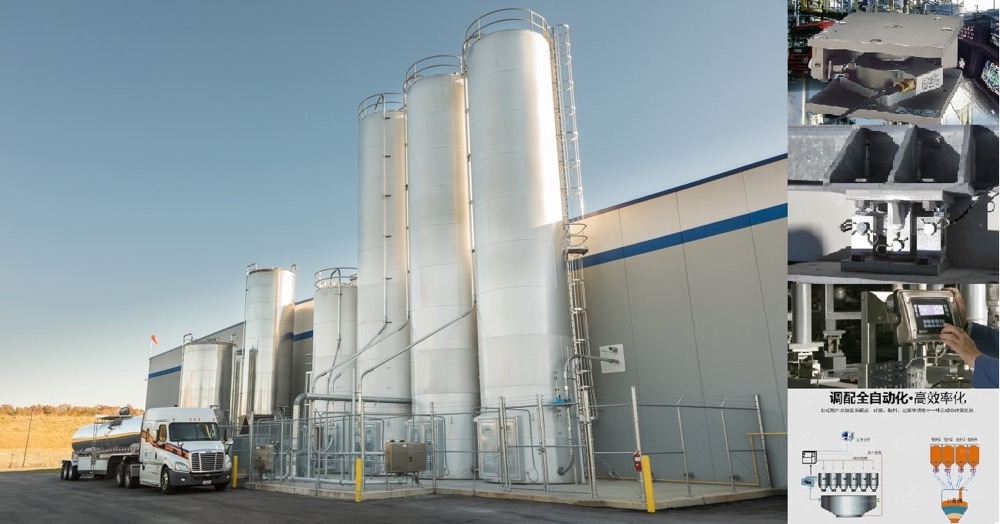
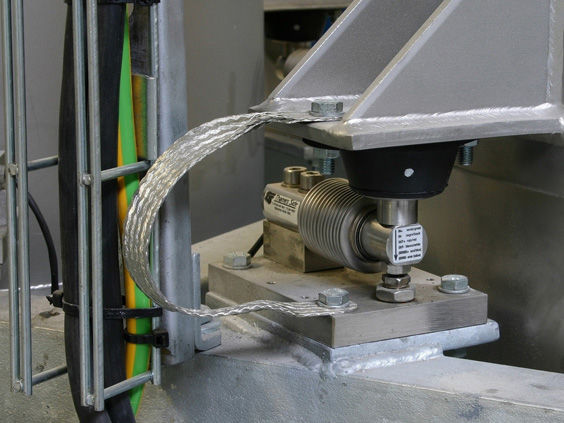
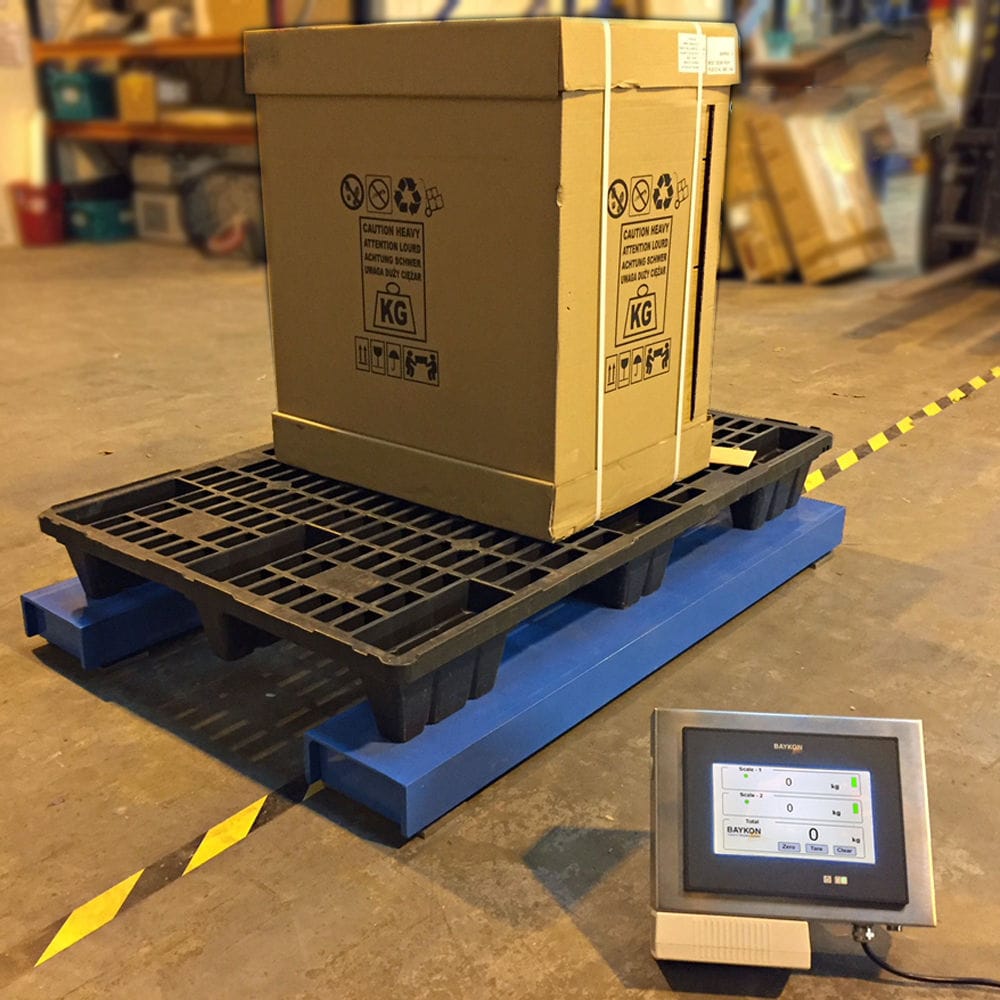
The entire filling system consists of PLC (Siemens S7-200), automatic filling machine, weighing module, frequency converter, servo motor. The PLC receives the weight compliance signal from the weighing module and thereby controls the frequency converter. The frequency converter changes the output frequency to control the rotational speed of the conveying and filling valve on the filling machine to control the speed of material feeding. The main control is of the switch quantity type. Except for one feeding motor, all other actions are completed by the cylinders. However, the entire system is controlled by PLC. After the system is started, the conveying machine reaches the position of the Electronic scale and clamps the filling bucket. At the same time, the weighing module is activated, and the weight of the filling bucket is removed. Then, the internal cylinder opens the feeding door (in the case of sufficient material), and the external servo motor drives the feeding and filling valve at high speed under the control of PLC. When the weight of the material entering the weighing bucket does not reach the set fast addition weight, the system continuously adds material rapidly; when the material weight reaches the fast addition weight set value, the weighing module gives PLC a signal indicating the end of fast addition, PLC controls the frequency converter to change the speed of the servo motor to low speed, and when the material weight reaches the slow addition weight set by the weighing module, the weighing module gives PLC a signal indicating the end of slow addition, the valve is closed and the motor stops, and the weighing instrument gives a weighing end signal after that, the conveying machine reaches the position of the electronic scale and releases the filling bucket, and the entire process is completed.
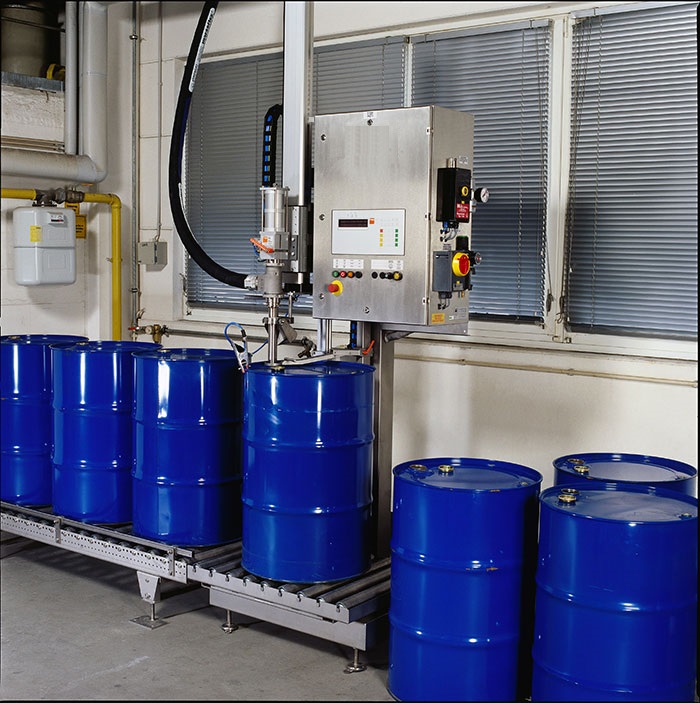
The weighing and filling system takes in the material from the rotor pump of the previous process and feeds it into the filling gun. The PLC controls the cylinder to complete the lifting and lowering of the filling gun, and the material enters the weighing bucket. When the weight of the material entering the weighing bucket reaches the set value, the PLC quickly closes the filling gun valve, and the material falls into the filling bucket at the loading position. At this point, the weighing task is completed. Subsequently, the filling machine transfers the filled containers from the feeding bucket to the cap-laying station, presses down to seal the opening, and completes the sealing process for the filled containers.