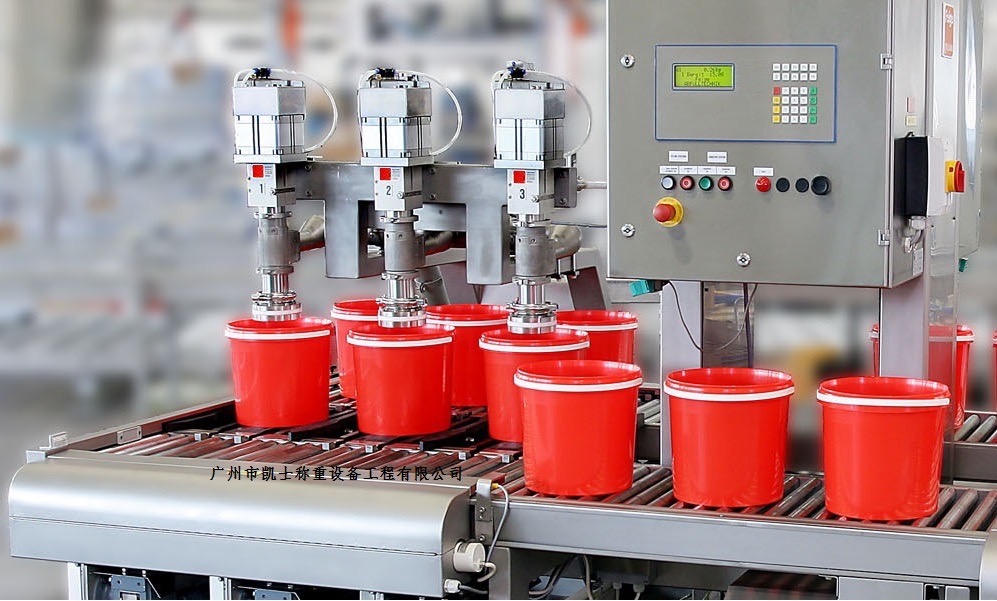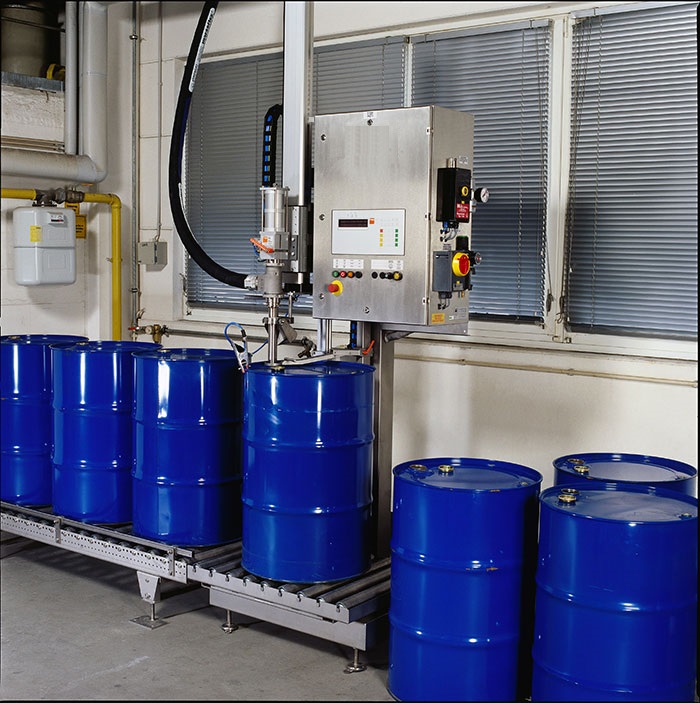


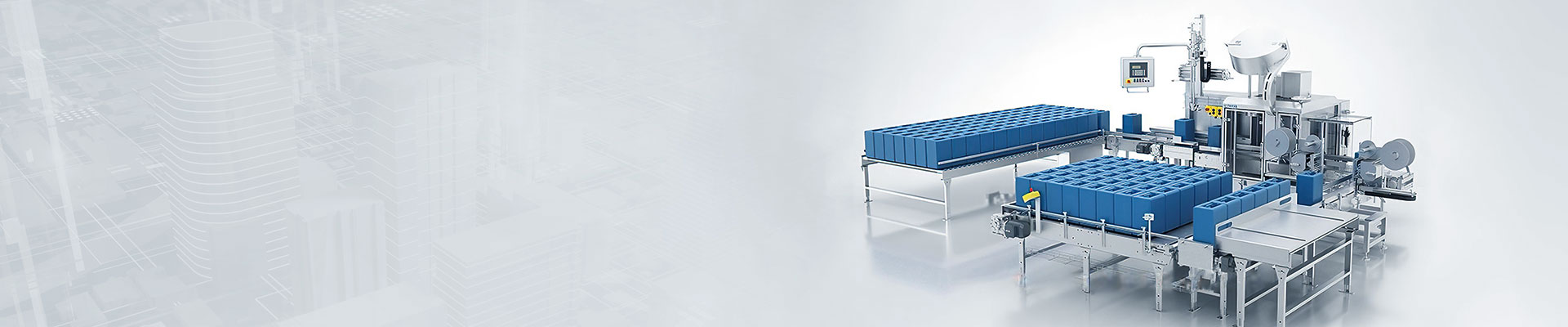



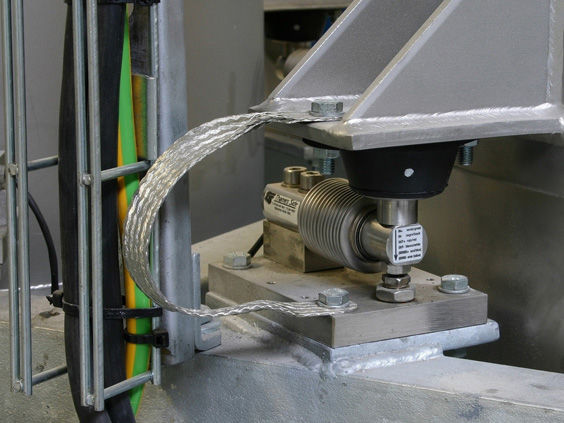
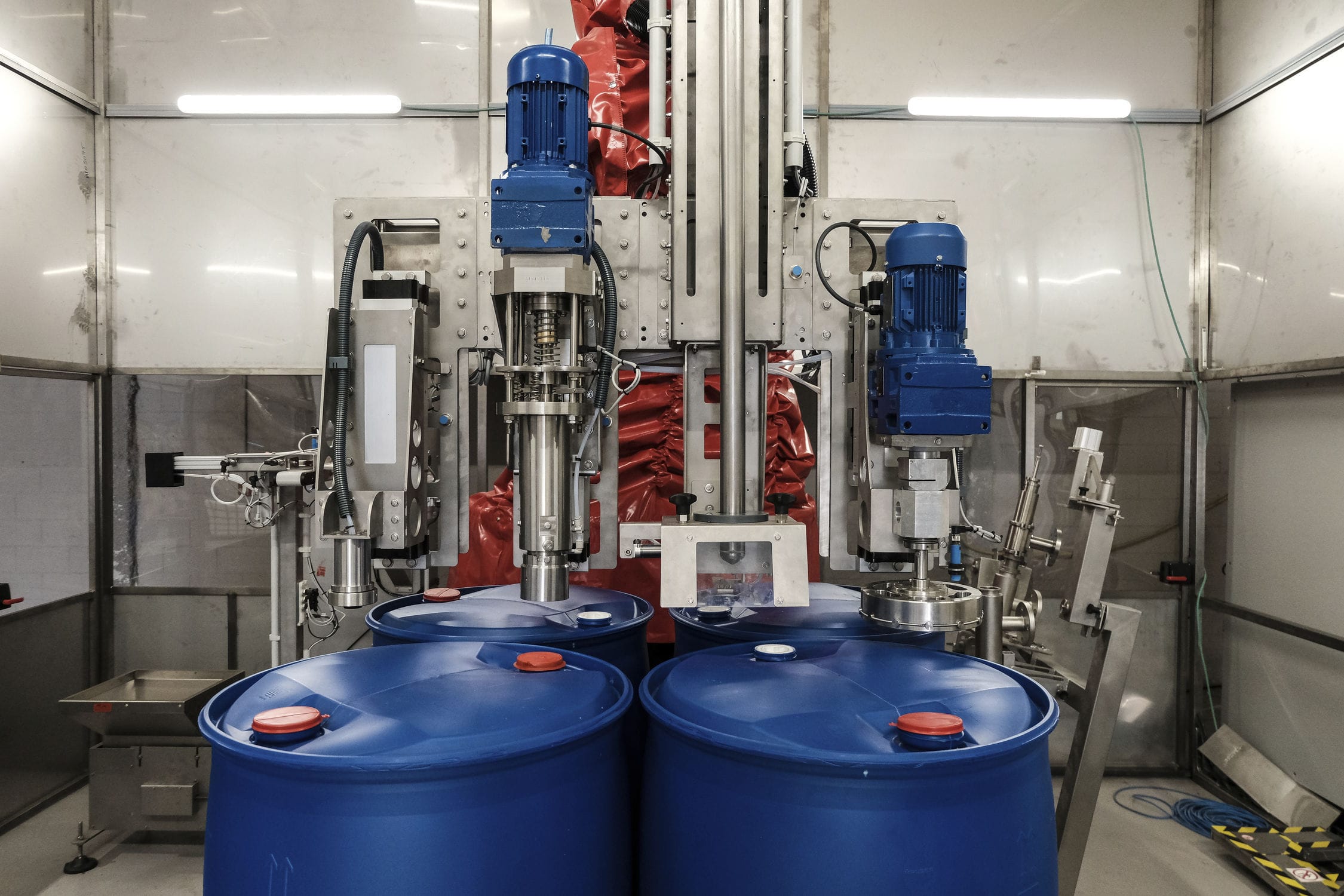


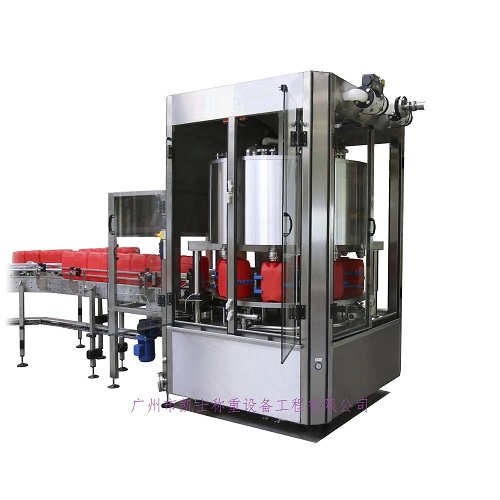
The speed-regulating liquid filling machine realizes the automatic quantitative filling of materials based on the output signal of the weighing module. Its working process is divided into four stages: feeding, weighing, unloading and barrel filling. First, the coarse and fine feeding mechanisms feed materials simultaneously. According to the output signal of the weighing module, the PLC control system controls them respectively according to the set values of the weighing. When the weighing value of the load cell reaches a certain level, the coarse feeding mechanism stops feeding, and the fine feeding mechanism continues to feed until the set value of the system is reached and then stops.

 020-34563445
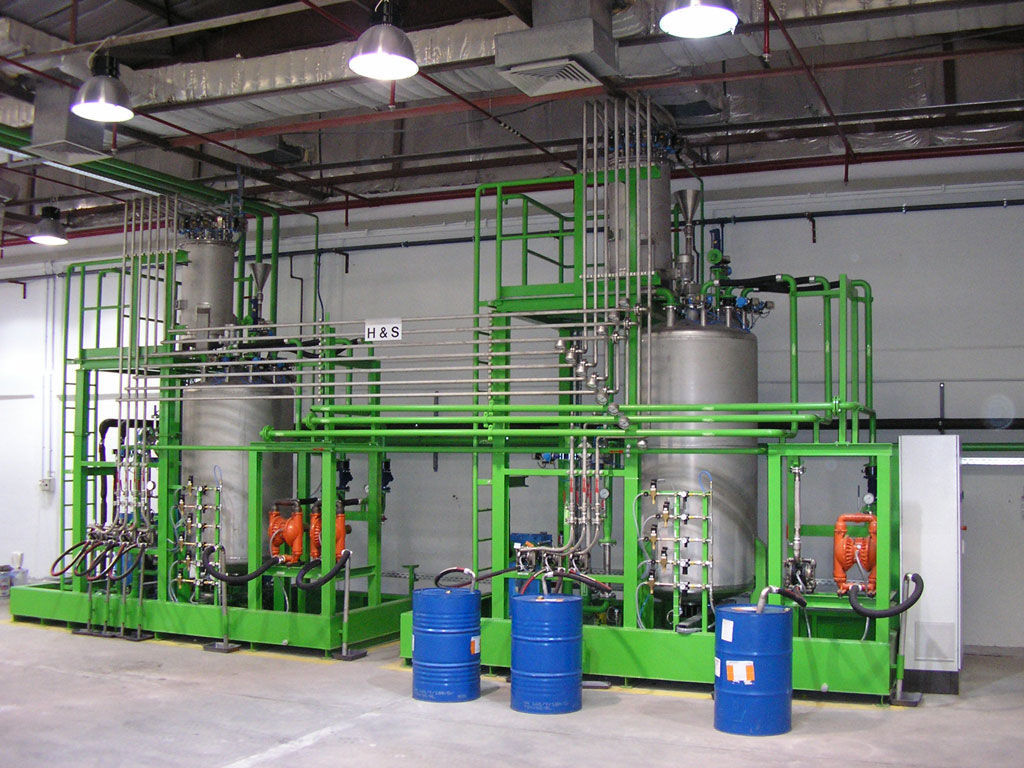
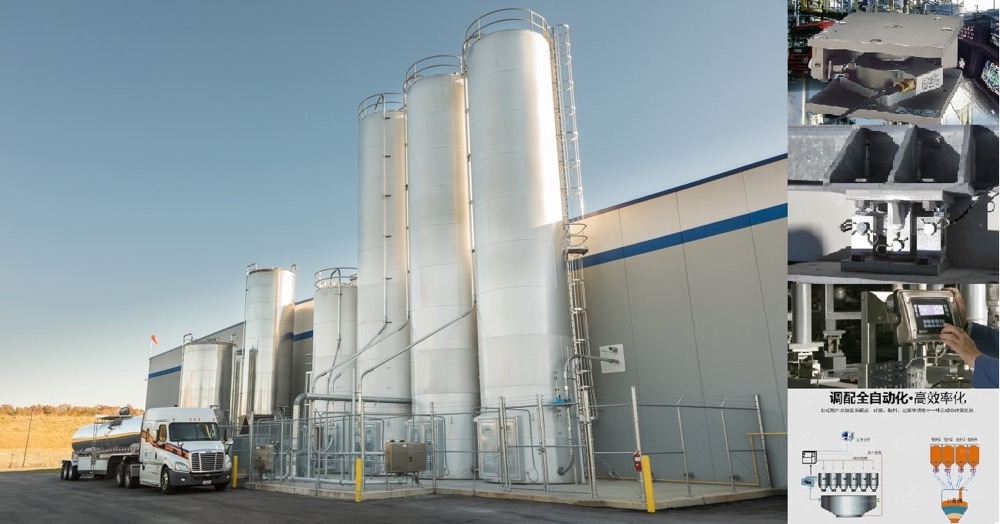
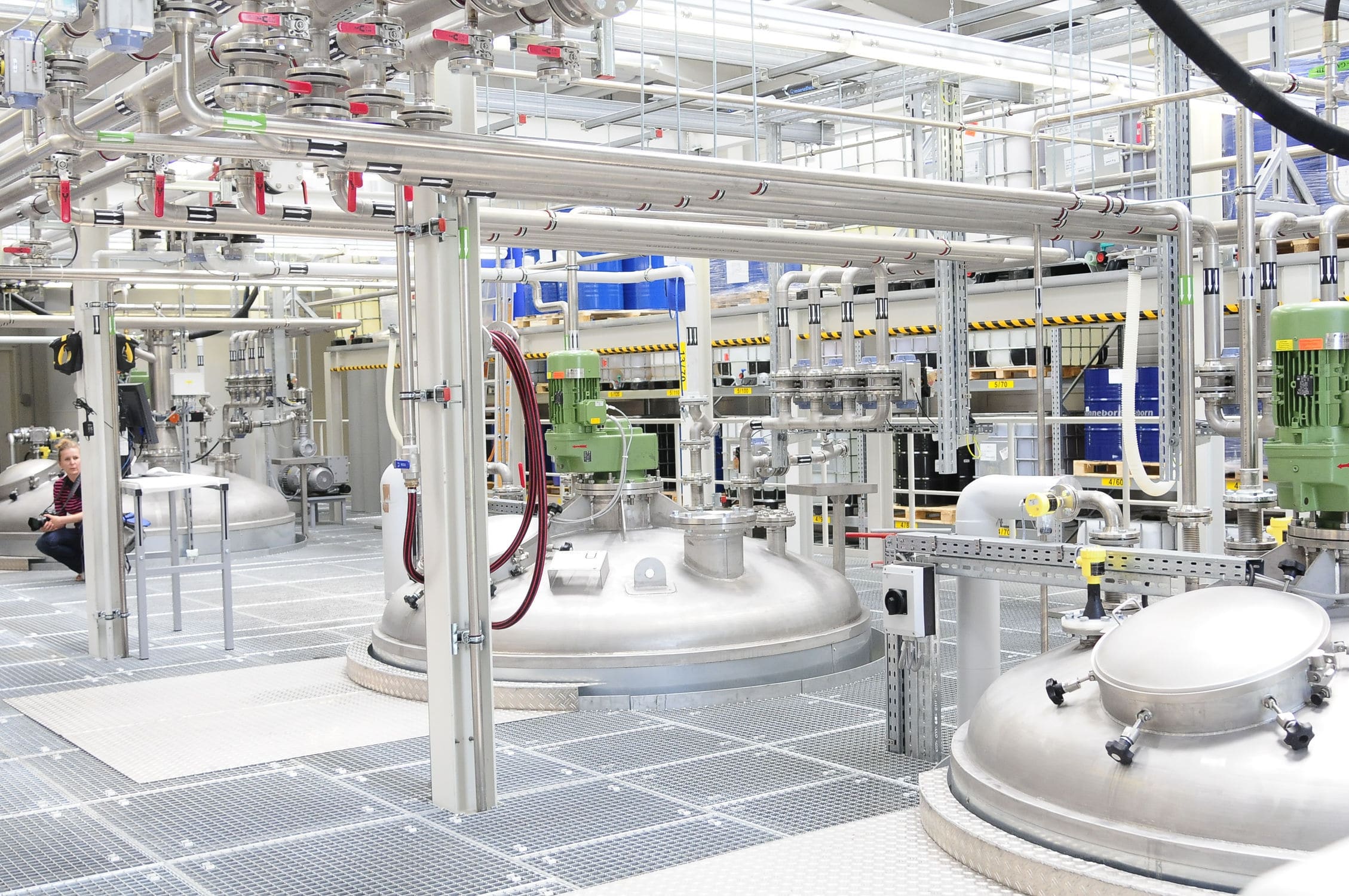
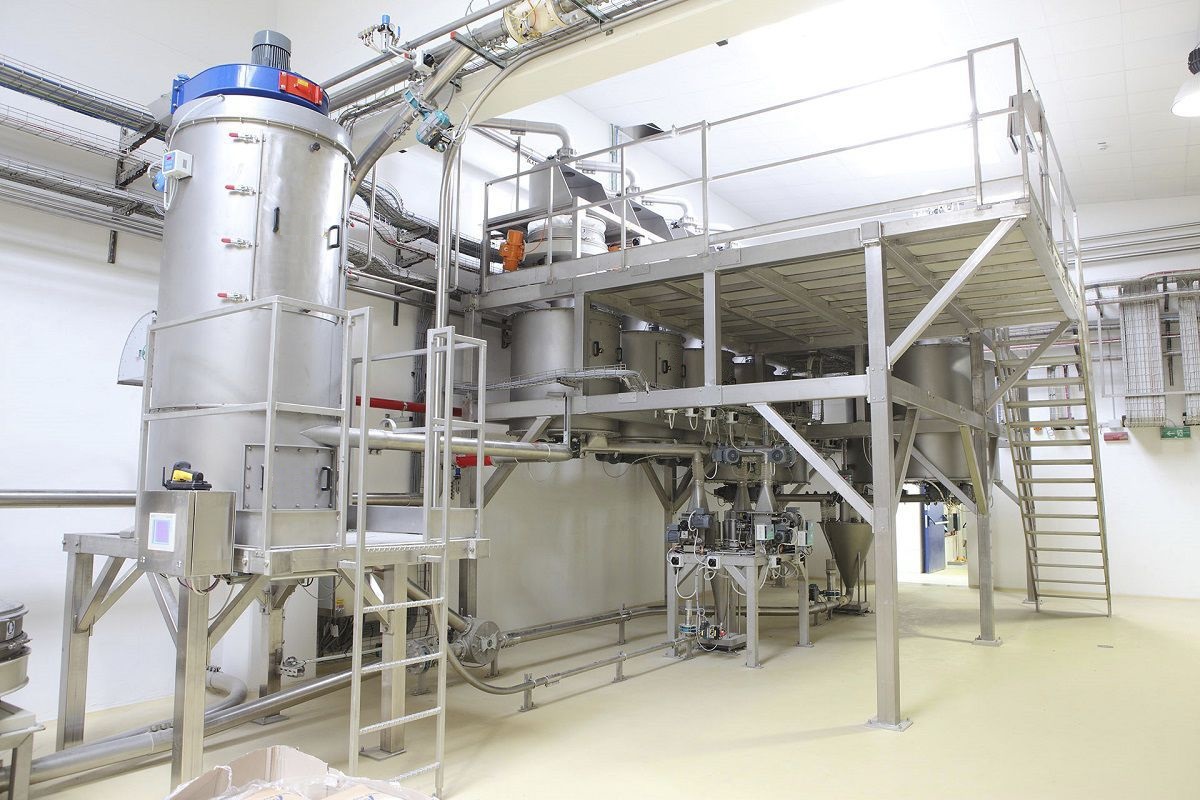
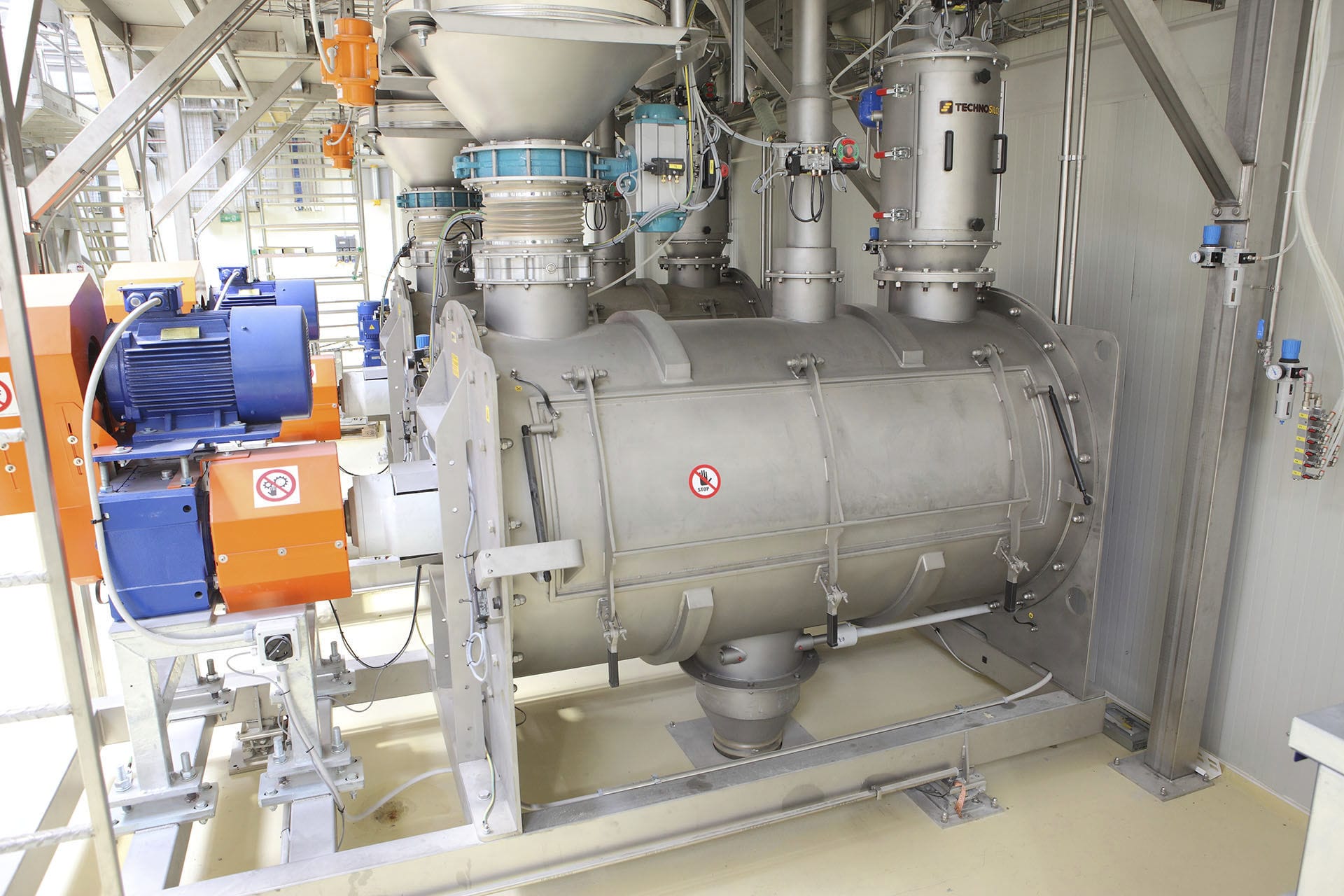
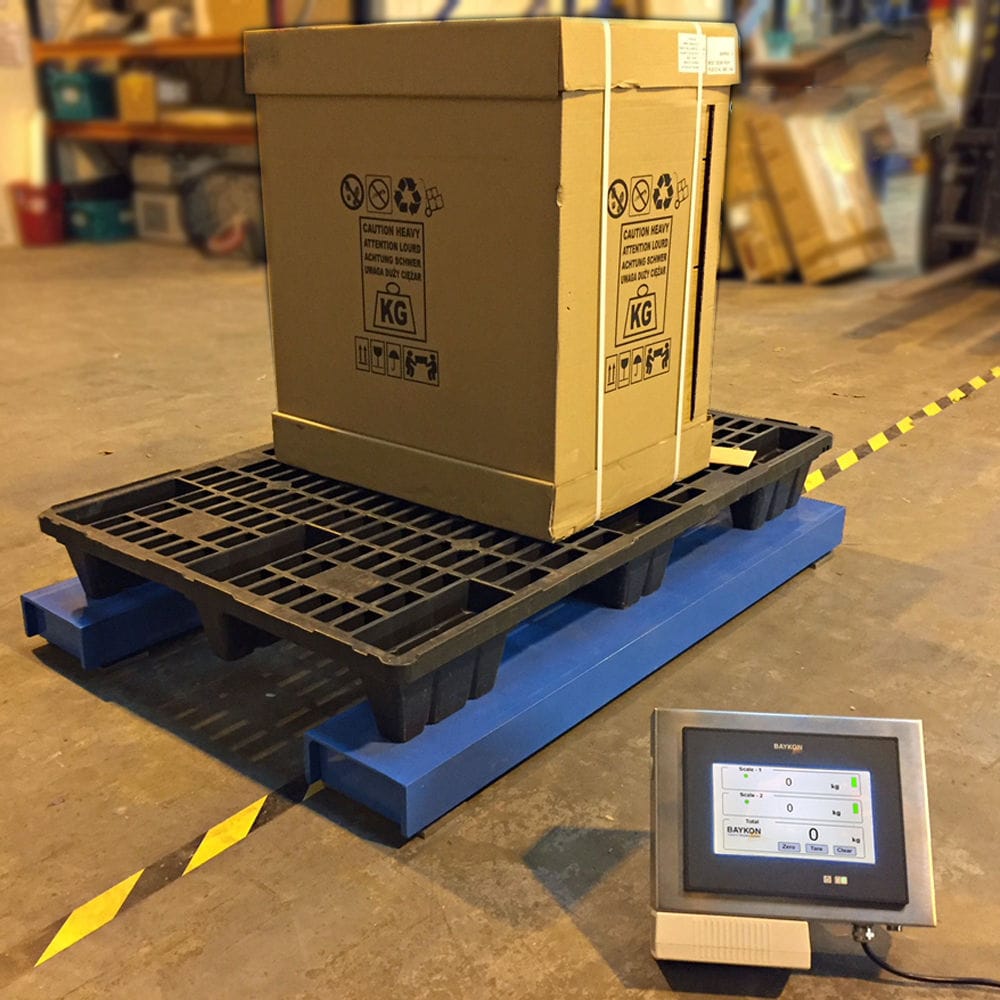
The speed-regulating liquid Filling machine is composed of a quantitative Weighing system, a material preparation tank, an Electronic scale, a bucket clamping mechanism, a material cutting device, a material discharge valve, a material release valve, a weighing module and other parts. The material preparation tank is a buffer type silo, which is used for material storage and provides a nearly uniform material flow. The valve is located at the bottom of the material preparation tank. When the equipment is under maintenance or malfunctions, it is used to seal the materials inside the material preparation tank. The material cutting device provides three levels of feeding: fast, medium and slow during the weighing process. The scale body mainly consists of a metering bucket, a weighing bracket and a weighing sensor, which converts weight into an electrical signal and transmits it to the control unit. The function of the bucket clamping mechanism is to clamp the filling bucket and ensure that all the weighed materials fall into the filling bucket.
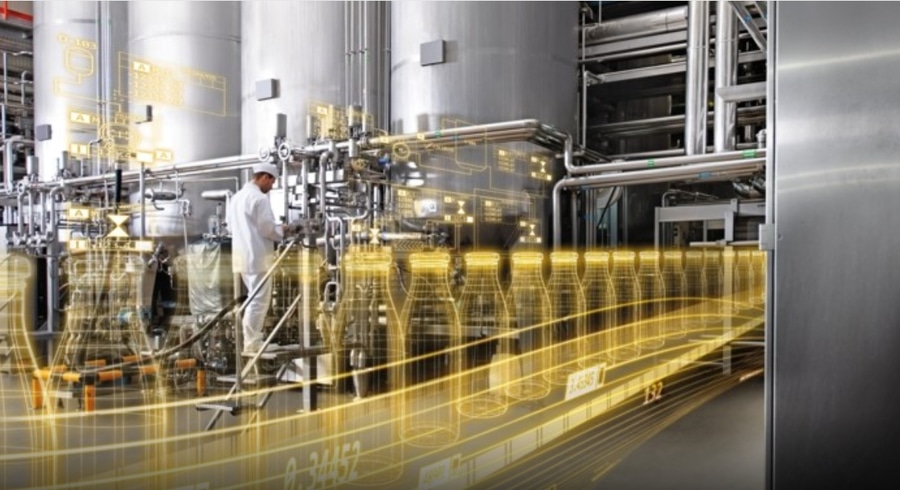
The liquid received by the weighing filling machine first enters the high-level buffer tank at the valve station. The function of this high-level buffer tank is to ensure that the ring cylinder of the filling machine and each filling valve are supplied with sufficient liquid under high-speed filling conditions. Before the empty tanks enter the filling machine, they are washed with hot water at around 80 degrees through an S-shaped slide to ensure that the empty tanks entering the filling machine are clean. Each filling valve of the weighing filling machine is equipped with a weighing module at the bottom. After filling starts, the same amount of liquid is first injected into the empty tank. The weighing module measures the weight of the material bucket in real time and transmits it to the PLC control system. After obtaining the data of the injected amount of liquid, the control system controls the pneumatic system on each filling valve to close the filling valve. After that, the control system injects a certain amount of liquid into the filling valve to facilitate the filling of the next can.
As the temperature of the liquid injected into the empty tank must not be lower than 85 degrees during filling, a liquid return pump automatically regulates the liquid to the heat exchanger in the feeding section for circulation and heating. Each empty tank is filled with the set value of liquid and then enters the capping machine to achieve the closed sealing of the tank. The caps of the capping machine are provided with sufficient caps by the automatic cap Feeding machine. The filling speed is controlled by a frequency converter with bus control, and the speed can be set on the touch screen of the control panel. Before and after each day's filling, the PLC control system conducts CIP on-site cleaning of all pipelines of each filling machine with hot water at around 85 degrees. After the filling is completed each week, the PLC control system conducts CIP on-site cleaning of all pipelines of each filling valve with alkaline water at around 85 degrees.
The Filling system realizes the automatic quantitative filling of materials based on the output signal of the weighing module. Its working process is divided into four stages: feeding, weighing, unloading and barrel filling. At the beginning of the weighing process, the weighing instrument controls the electromagnetic screw filling gun to feed both coarse and fine materials simultaneously. The material falls into the weighing bucket and is added to 90% to 95% of the rated weight within a short period of time. When the weight of the material in the weighing bucket reaches the coarse feeding set value, the coarse feeding electromagnetic screw filling gun stops operating, and the fine filling gun continues to feed, entering the slow feeding stage. When 5% to 10% of the predetermined weight is completed and the material volume in the weighing bucket approaches the set value, the fine filling gun stops and the weighing process is completed. The conveyor conveys the material bucket and waits for the next action. Wait for the next feeding bucket to touch the discharge switch, control the discharge door of the weighing bucket to open, and the material will fall into the material bucket on the electronic scale, completing one filling cycle.
When the automatic filling machine is in operation, the coarse and fine feeding mechanisms first feed materials simultaneously. According to the output signal of the weighing module, the PLC control system controls them respectively according to the set values of the weighing. When the weighing value of the load cell reaches a certain level, the coarse feeding mechanism stops feeding, and the fine feeding mechanism continues to feed until the set value of the system is reached and then stops. The filling mechanism automatically lifts the filling gun to complete a qualified weighing process.