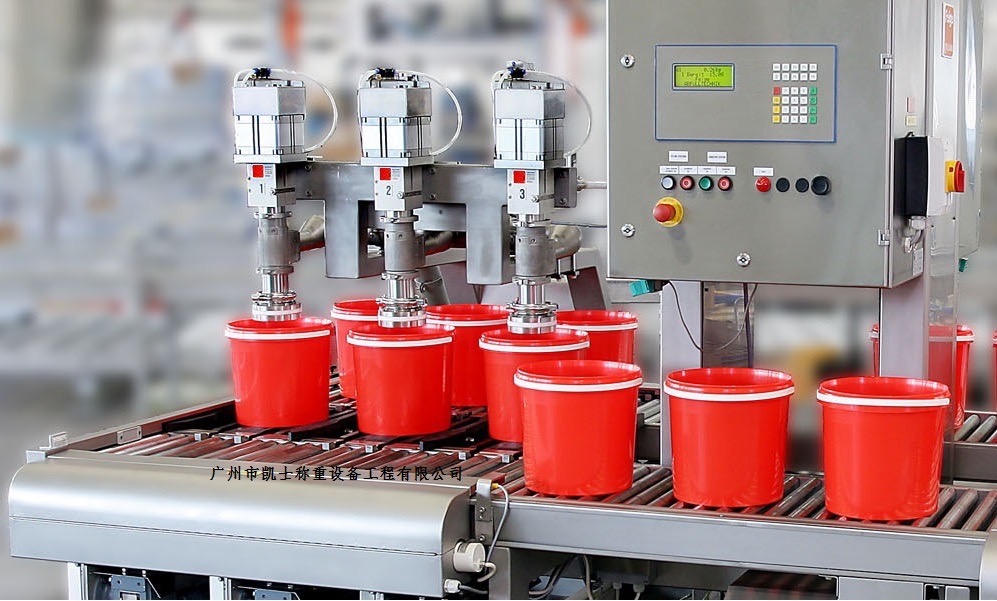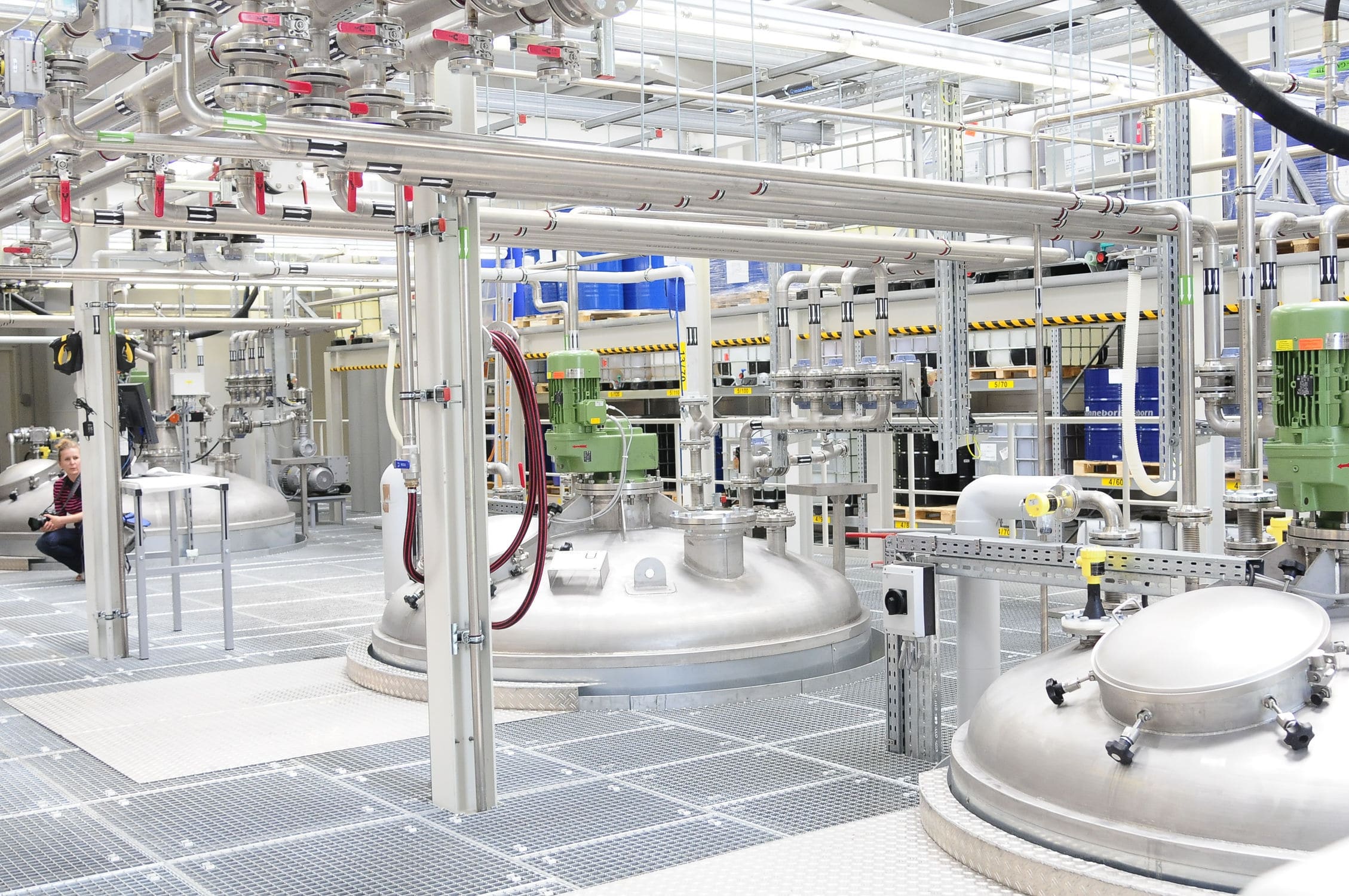


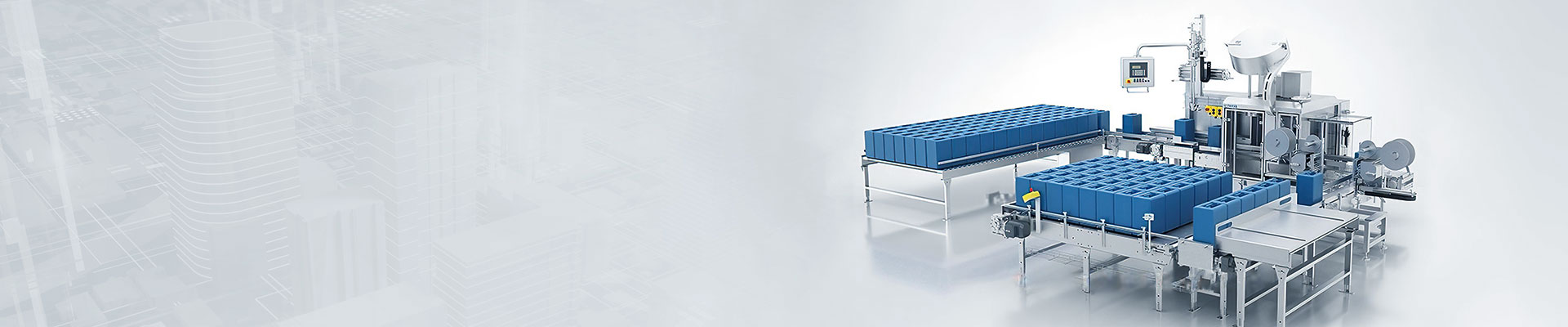



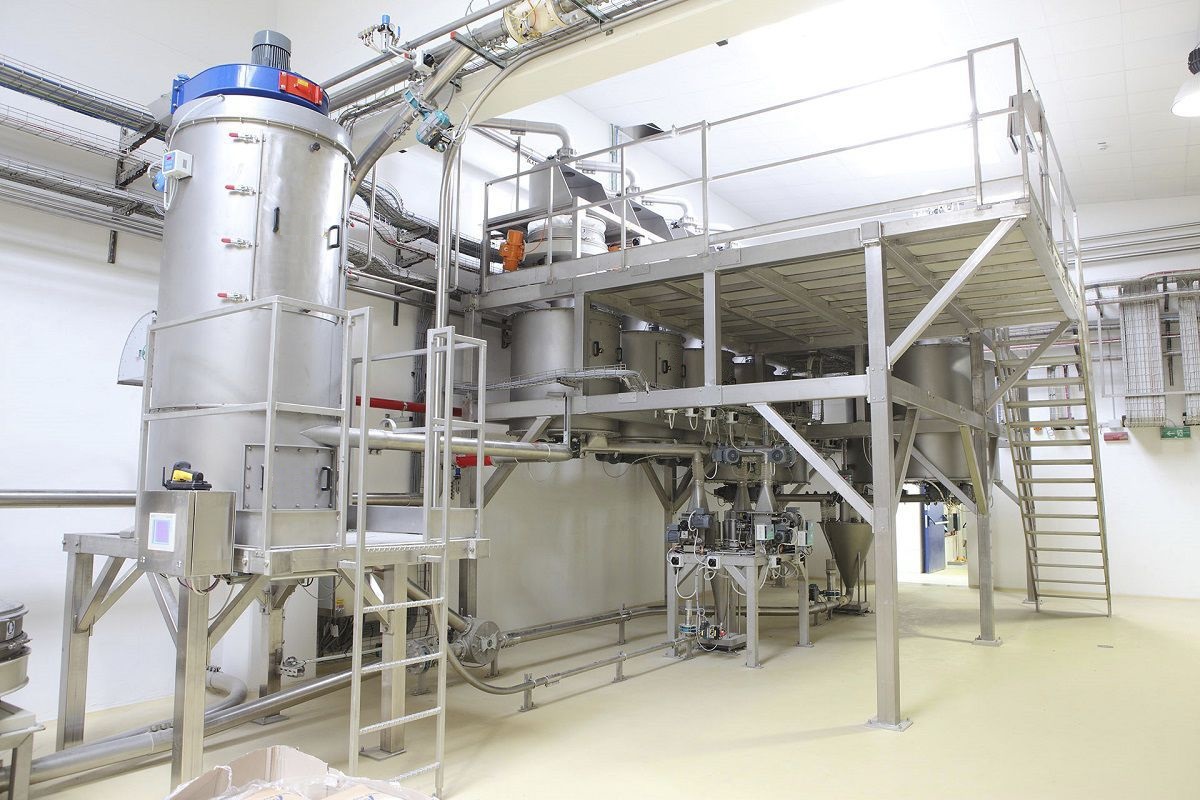
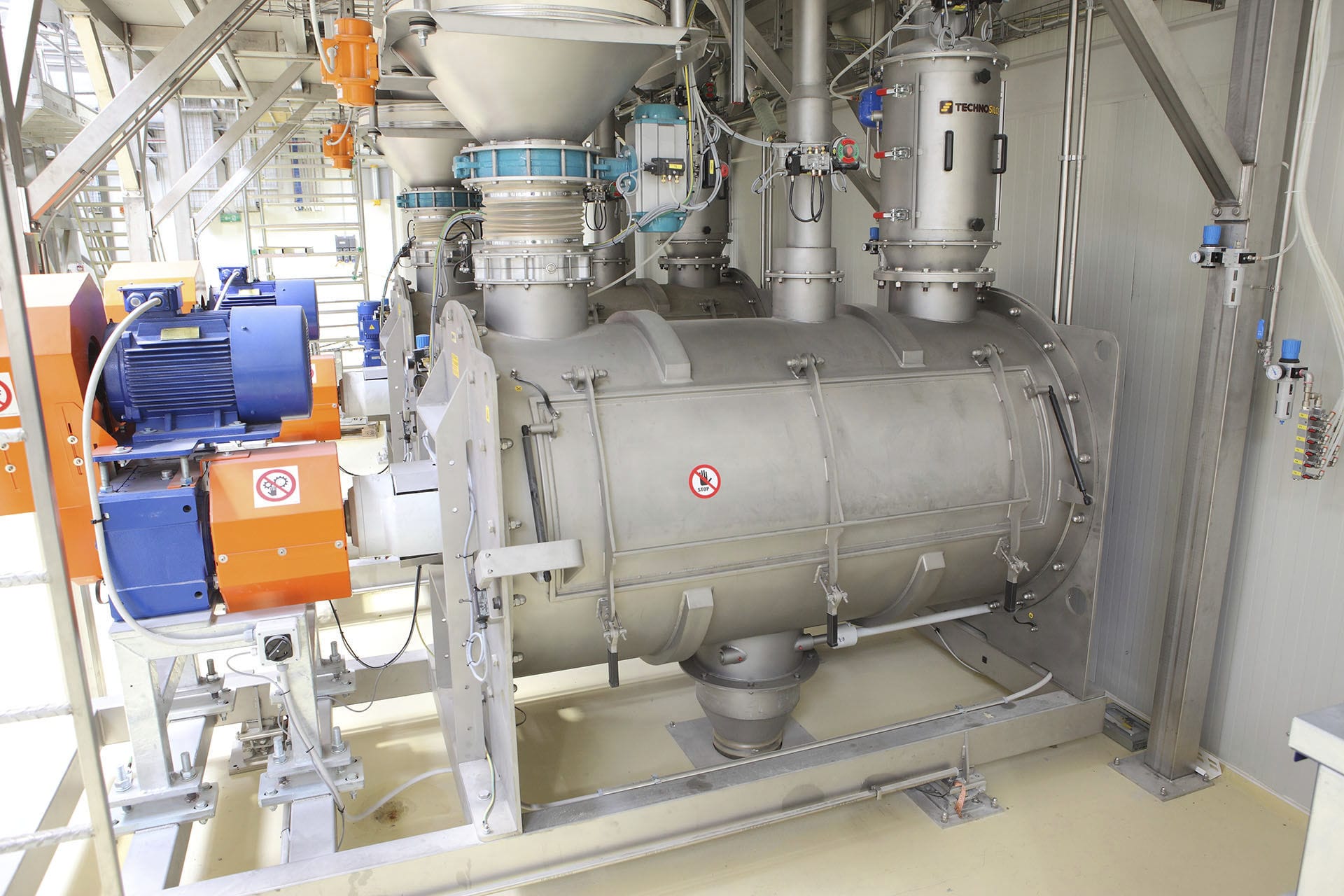


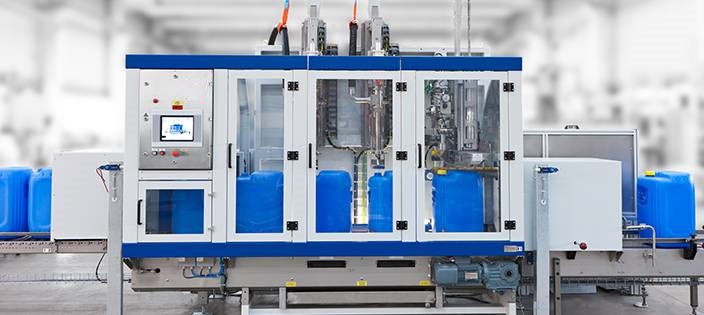
The entire body of the piston liquid filling machine adopts a rotary structure. During the rotation process, the design of the piston rod running control mechanism of the filling valve, the core shaft handle rotation device, etc. realizes the functions of the filling valve such as material suction, material pressing, and no filling when there is no container. The filling valve uses a piston-type quantitative filling valve. By utilizing the vacuum generated when the piston rod of the piston valve moves, the sauce is sucked into the piston cylinder. Then, the valve is opened, and the sauce in the piston is pressed and injected into the container, thus completing the filling process.

 020-34563445
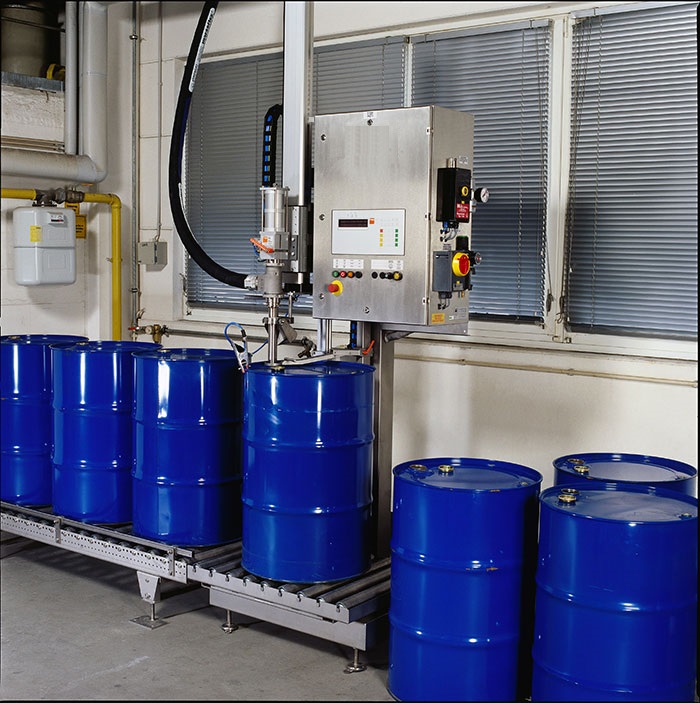
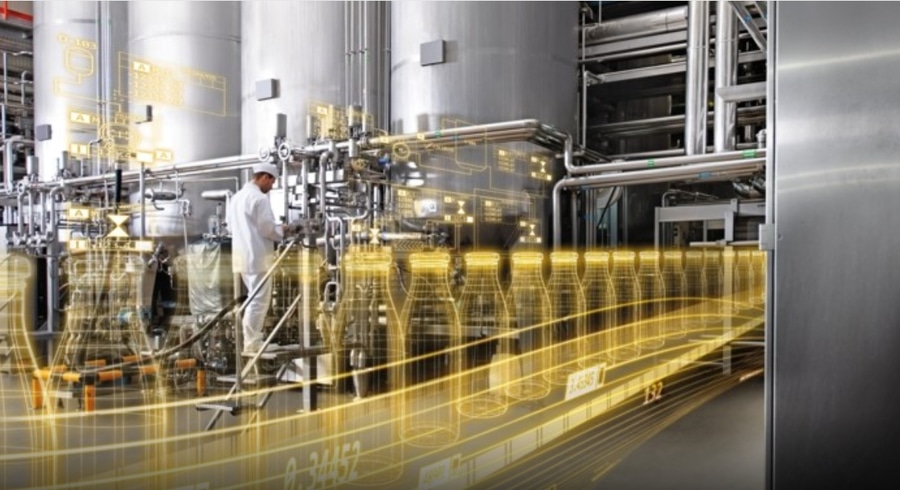
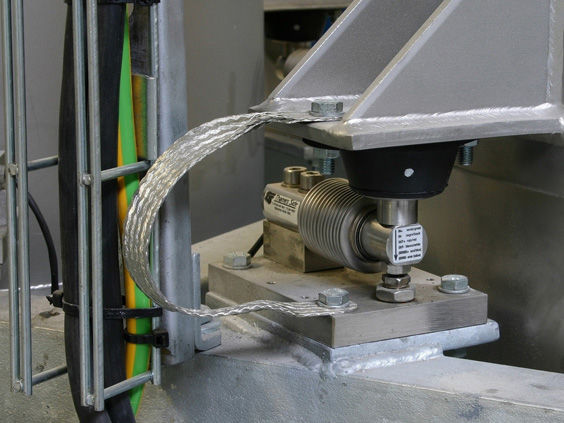
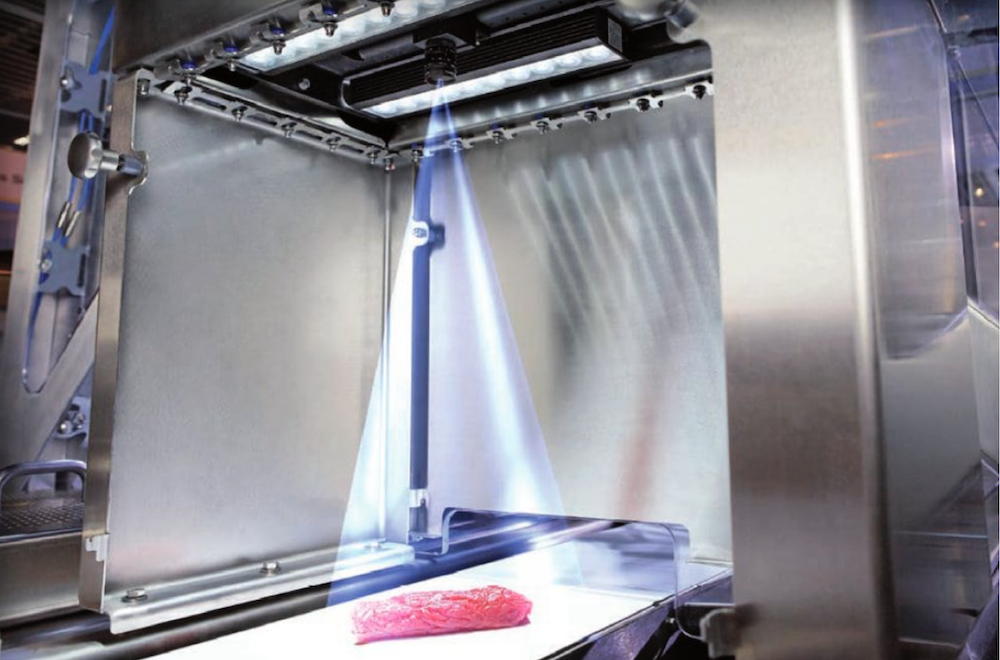
The liquid Filling machine utilizes a computer to replicate human visual functions. The machine replaces the human eye for measurement and judgment. The photoelectric imaging system is used to capture the image of the controlled target. The initial working state of the automatic filling machine is in the normal weight display state, with the feeding valve in the closed state. After the system is started, the weighing controller is in a controlled state and displays the weight in real time. The system first detects whether there is a bucket at the filling position. If there is no bucket, the system does not enter the automatic filling state; if there is a bucket, the system first removes the skin, then lowers the filling head to the predetermined position. After it reaches the position and the detection switch operates, the weighing controller controls the feeding valve to open and perform feeding. When the material in the bucket reaches the preset advance amount, the system sends a control signal to close the feeding valve, completing the feeding. At the same time, the control system sends a control signal, resetting the filling head, completing one filling cycle.
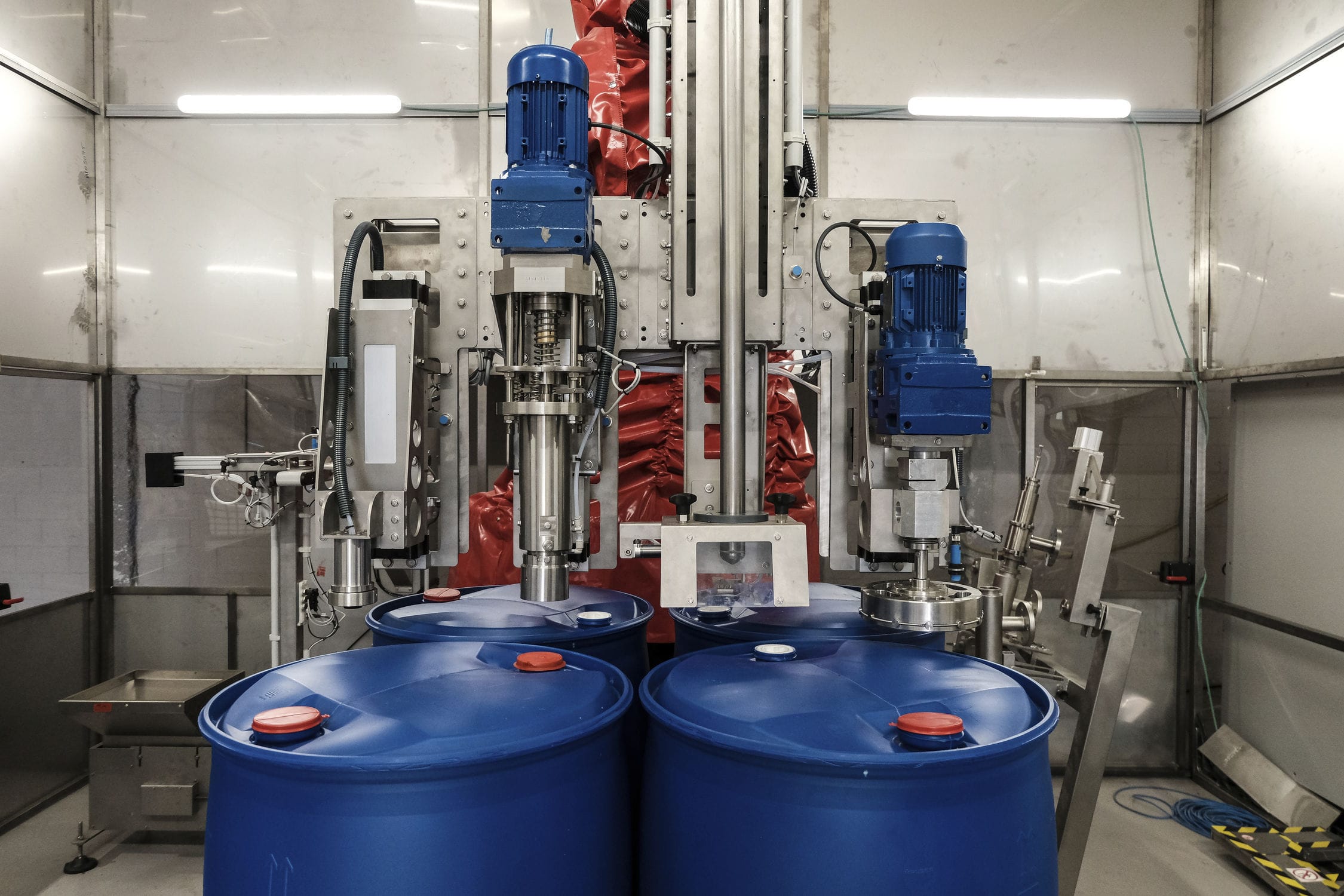
The Filling system undergoes digital processing by a computer or a dedicated image processing module. Based on the pixel distribution, brightness, and color information of the image, it performs recognition of size, shape, and color. Through triggering or continuous collection, the optical characteristics of the target object are transformed into two-dimensional information electrical signals. Then, through the data acquisition card or the sampling and quantization function built into the acquisition device itself, it is converted into a digital image. Using fully automatic bucket sorting and taking equipment, only the same specifications and models of buckets need to be neatly placed at the designated position. Professional mechanical hands will accurately take out one packaging bucket each time, and through the power track, the packaging bucket will be precisely transported to the filling nozzle below. After image recognition, it weighs and fills.
The entire filling system adopts a rotary structure. During the rotation process, the filling valve piston rod operating control mechanism and the core shaft handle rotation device are designed to achieve functions such as suction, pressure, and no filling when there is no bucket. The filling valve uses a piston-type quantitative filling valve. The vacuum generated by the movement of the piston valve's piston rod sucks the sauce into the piston cylinder, and then opens the valve to press the sauce into the bucket, thus completing the filling process. Due to the use of the piston vacuum suction principle, during the filling process, the stroke of the piston shaft movement can be adjusted and set according to customer needs, thereby accurately controlling the weight of the sauce sucked in and achieving quantitative filling.
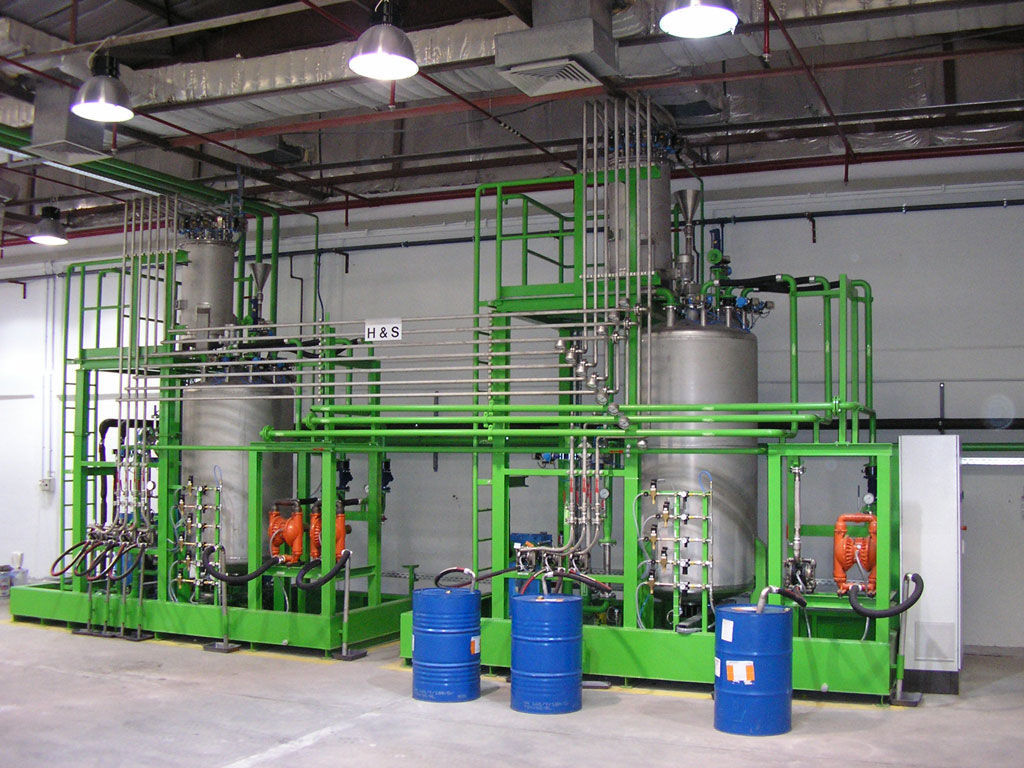
The feeding system opens the "feeding function" on the touch screen. At this time, the PLC detects the current liquid level through the float switch. If it is lower than the bottom float, the PLC outputs a "low liquid level alarm" signal. If it is higher than the top float, the PLC outputs a "high liquid level alarm" signal. If it is between the bottom float and the middle float, it displays "liquid level not reached". If it is between the middle float and the top float, it displays "liquid level reached". During normal filling, the liquid level will continuously drop. When it is lower than the middle float, the PLC, after a certain delay time, turns on the feeding electromagnet valve coil, and the feeding electromagnet valve then controls to open the feeding angle seat valve. When the liquid level rises to the middle float, the PLC will disconnect the feeding electromagnet valve coil, and the feeding electromagnet valve then controls to close the feeding angle seat valve.
The automatic filling machine is filled and measured by the liquid storage tank through a gear pump to the liquid weighing bucket. When the liquid volume reaches the target weight, the weighing piston valve stops working. The piston valve uses secondary compensation methods, and the frequency converter controls the fluid flow of the piston valve to further control the liquid impulse. The piston valve is mainly composed of a piston rod, a piston cylinder, a valve core, and a positioning screw. The lower end of the piston rod is equipped with a sealing ring, and the valve core is machined with two mutually non-communicating channels at 90 degrees. When installed, the suction port of the valve core is in communication with the discharge port of the material cylinder. When the piston valve is in the material suction mode, the feeding channel opens, the suction port is connected to the quantitative suction chamber. The piston rod moves upward, creating a vacuum in the quantitative suction chamber. Thus, the material is sucked from the material cylinder through the suction port into the quantitative suction chamber. Under a well-sealed condition, the weight of the material sucked into the quantitative suction chamber each time should be a fixed value. During the material dispensing process, the valve core handle rotates 90 degrees under the control device of the equipment. The dispensing channel opens, the feeding channel closes, and the dispensing port is connected to the quantitative suction chamber. When the piston rod moves downward, the material flows from the quantitative suction chamber through the dispensing port into the bucket placed under the dispensing port. When the valve core needs to be cleaned, simply remove the positioning screw and the valve core can be pulled out. This filling valve is designed simply and ingeniously, with accurate material dispensing and convenient assembly and disassembly.