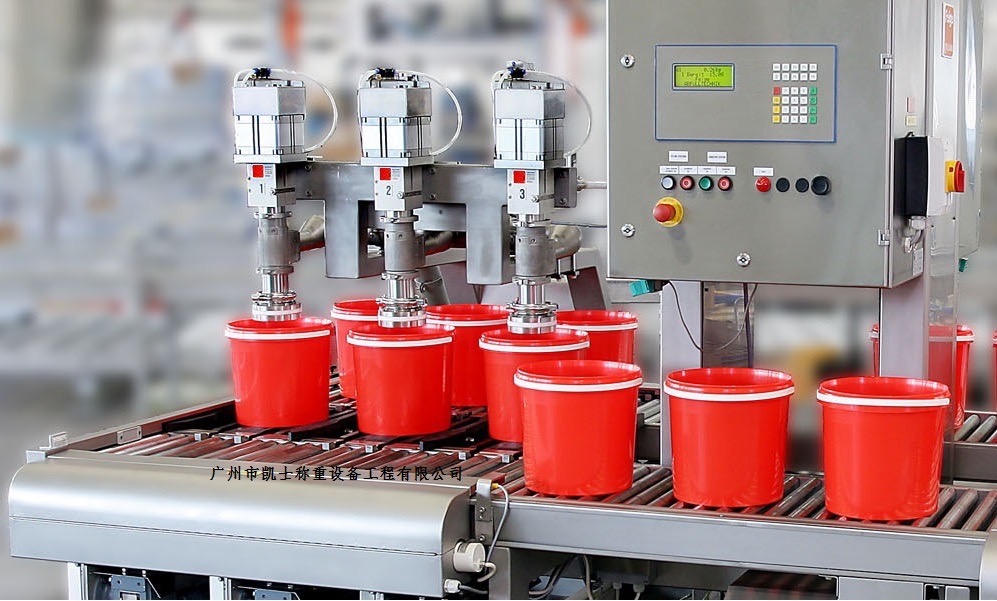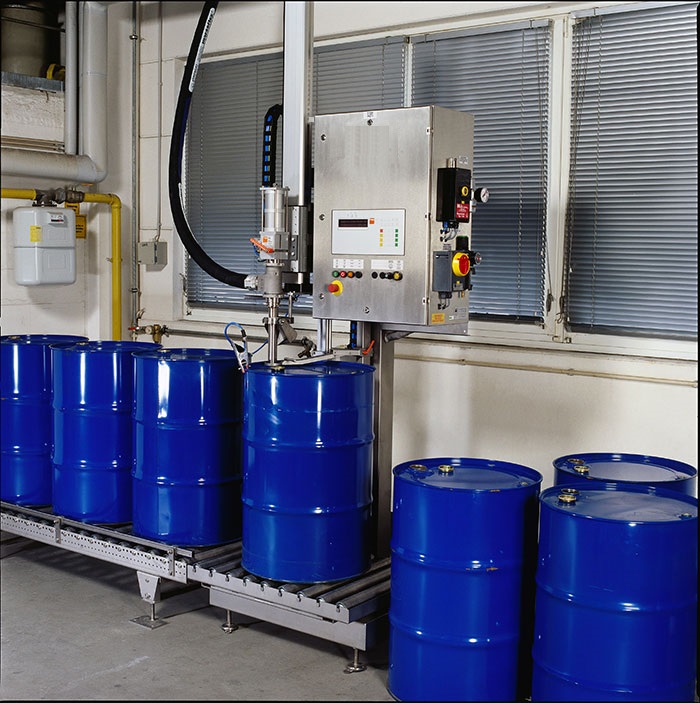


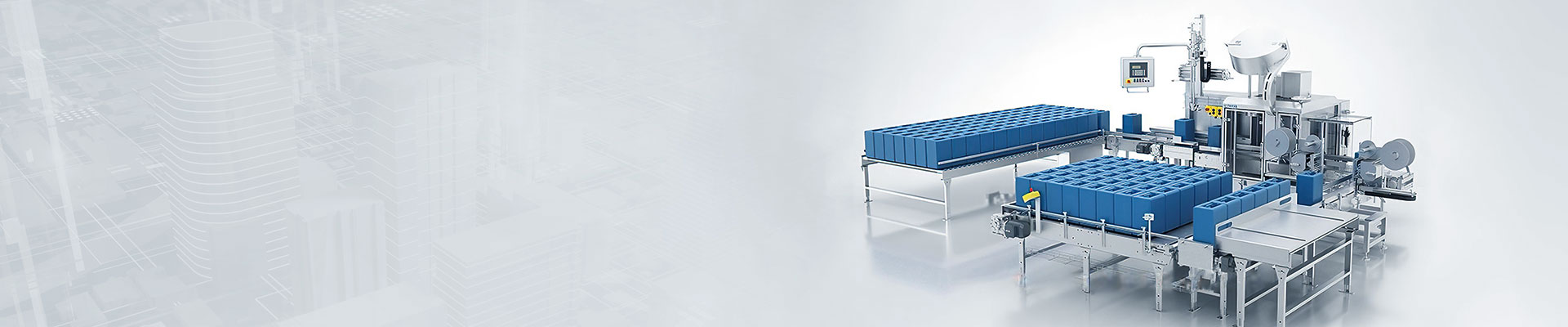




The liquid batching and filling machine is designed with CMOS technology. It collects the set value of filling volume, processes the pulse signals of the metering module, and drives the relay through the touch screen to control the frequency converter to drive the motor and the rotor pump for material transportation. The pulse signals of the flow rate of the pipeline are calculated by the weighing module to obtain the actual weight of the liquid discharged by the weighing system. Based on the difference between the actual filling volume and the set value, the motor operation is controlled to achieve precise control of the filling volume according to actual needs.

 020-34563445
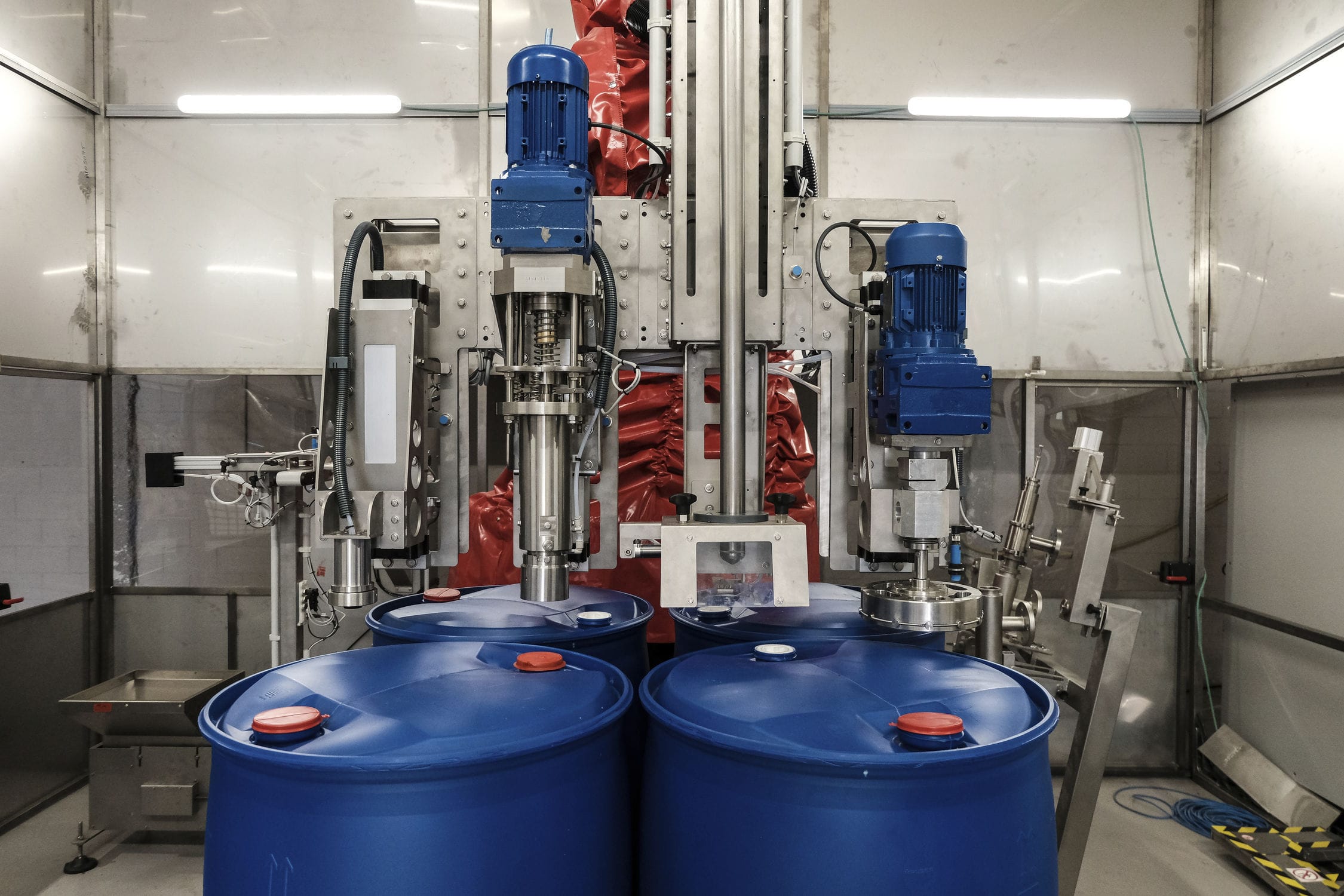
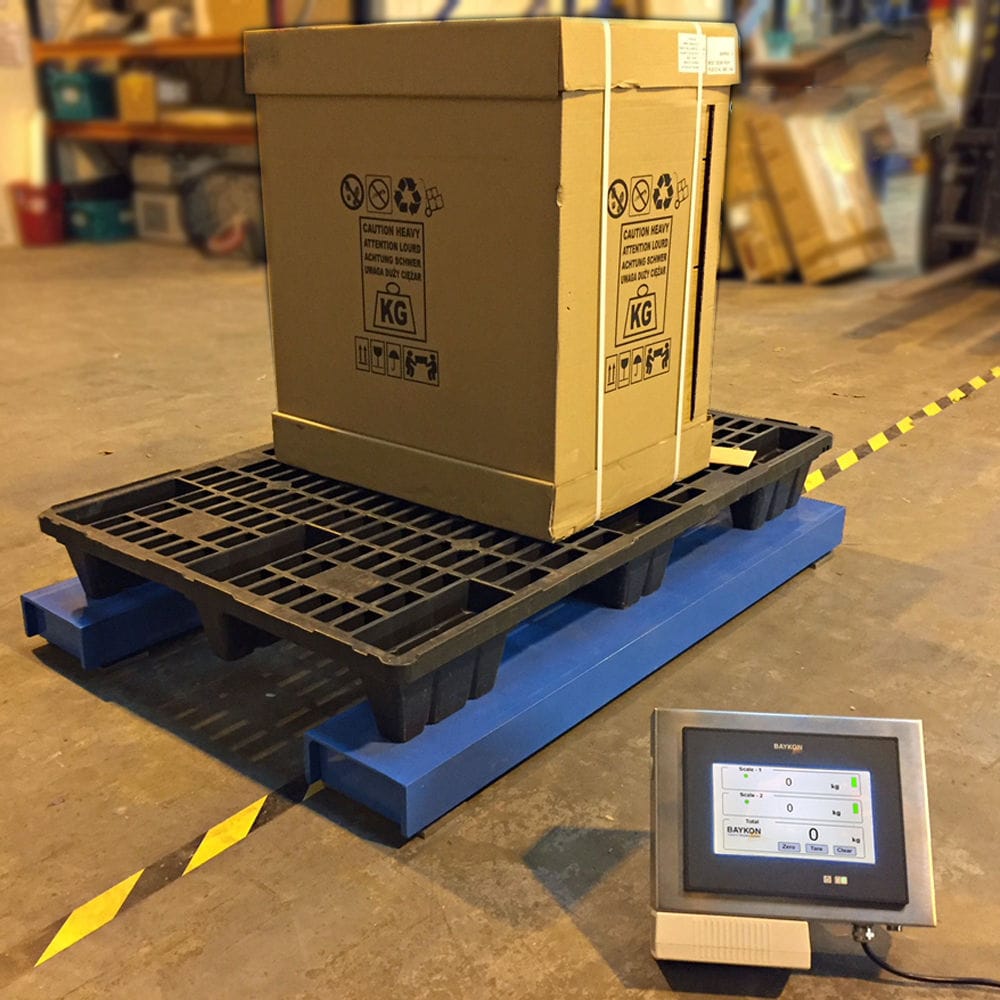
The liquid batching and Filling machine is used for automatic weighing and batching of two materials. Material A and B are separately filled into two containers. When the rotor pump starts and the piston valve A at the bottom of the liquid filling and Weighing system reaches a certain weight, the piston stops and the valve closes. The remaining material is stored in the conveying pipe and is then continuously filled into the weighing container for the next time. After the liquid filling is completed, the weight of material A in the Electronic scale is exactly the set weight. At this time, the piston valve B at the bottom of the material B container opens, the piston starts, and material B is filled into the weighing container. When the weight of material B in the electronic scale reaches the set value, the piston stops and the valve closes, and the remaining material is stored in the conveying pipe for the next filling. After the liquid filling is completed, the weight of material B in the electronic scale is exactly the set weight. The rotor pump stops. The liquid batching and filling machine can be divided into coarse and fine (large and small) piston devices, electronic scale components and lifting components. When the system is working, the coarse and fine piston devices add material to the electronic scale bucket (weighing component), stabilize the weighing and obtain the actual weight of each electronic scale and accumulate it. When the electronic scale on the lifting (bucket) component detects that the material in the bucket has reached the set target weight, the weighing instrument will control the piston filling gun in the bucket to lower and complete a weighing cycle. The weighing instrument controls the material filling according to the preset target weight. When the filling weight reaches the preset weight value, the system automatically stops working and alerts the operator. This cycle of weighing and filling control achieves the purpose of quantitative feeding.
The weighing and filling machine is designed with CMOS technology, collects the set value of the filling volume, processes the pulse signals of the metering module, and drives the relay through the touch screen to control the motor and rotor pump to convey the material. The flow pulse signal of the pipeline is calculated by the weighing module to obtain the actual weight of the liquid discharged by the weighing system. According to the difference between the actual filling volume and the set value, the motor is controlled to operate, thereby achieving precise control of the filling volume according to actual needs. It is mainly composed of DC variable frequency motor, rotor pump, weighing instrument including touch screen control box, filling machinery, cylinder filling gun, filter, pneumatic ball valve, etc. The control system mainly consists of PLC control system, peripheral circuits, relays, potentiometers, weighing instrument and touch screen, etc.
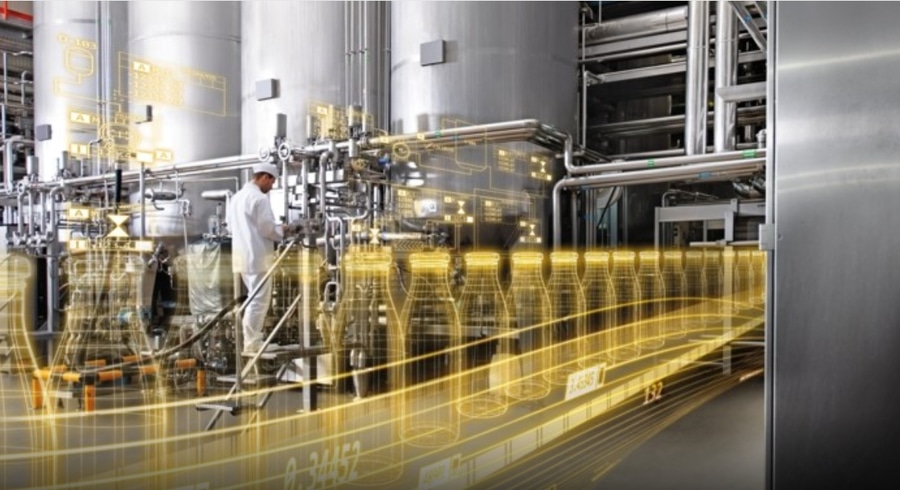
The automatic filling machine calculates the liquid volume through the weighing module and inputs the data of the electronic scale into the control system. The control system then controls the motor to operate, enabling real-time monitoring of the liquid volume. It mainly completes the collection of data from the weighing module, displays the data on the touch screen, accepts the input of potentiometer data, and controls the stable operation of the system through relays and solenoid valves, including main program, electronic scale data acquisition sub-program, timer interrupt service program and LCD display sub-program, etc. After the controller enters the program control, it first detects the mode button to determine the working mode of the system. The set value of the filling is collected through AD; then, the relay is opened. The motor operates to collect the pulse number from the weighing module and display it in real time on the LCD. When the filling volume corresponding to the pulse number reaches the set value, the relay is closed to cut off the motor driving circuit. In the quantitative filling control, the electromagnetic valve contact switch of the filling gun remains in the closed state and displays the current filling volume.
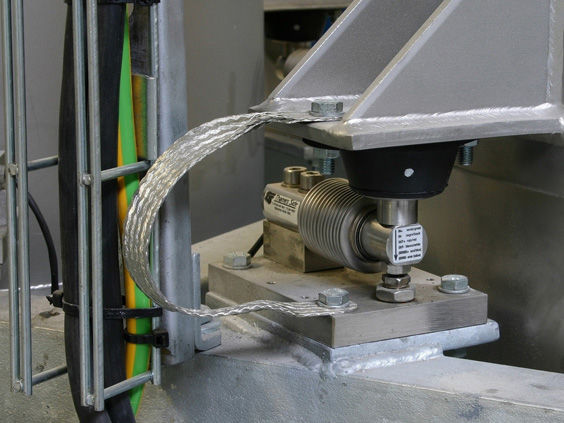
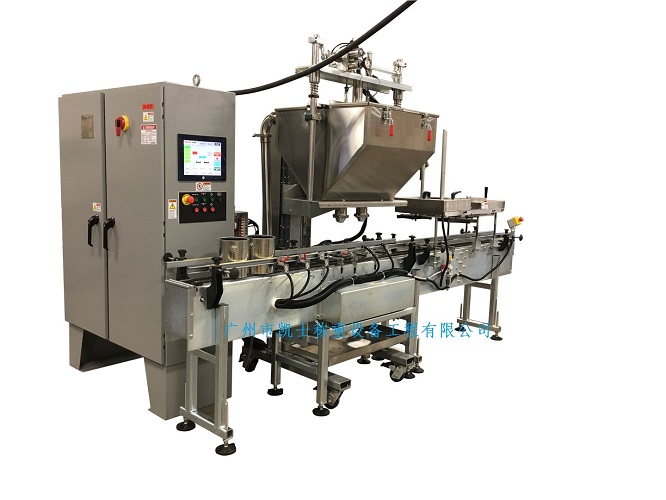
The Liquid filling machine consists of the feeding bin, feeding pneumatic valve, electronic scale, discharge piston valve, discharge bucket, weighing module, control cabinet, etc. The control cabinet is equipped with PLC, touch screen, weighing instrument, etc. During the feeding process, the weight of the material entering the weighing bucket is converted into a millivolt-level analog voltage signal by the weighing module and then sent to the industrial weighing instrument. The weighing instrument converts this signal into a weight data signal and transmits it through serial communication to the PLC. This data is compared with the preset single electronic scale target value on the touch screen or computer, minus the offset (difference). If this weight data is less than this difference, the input output point of the feeding on the PLC remains connected, the pneumatic valve of the feeding mechanism remains open, and the feeding process continues. When this weight data (i.e., the weight of the material in the electronic scale bucket) reaches this difference, the input output point of the feeding on the PLC is disconnected, and the electronic scale feeding valve pneumatic valve is closed. When all the materials in the air have fallen into the electronic scale bucket and the electronic scale is stable, the current weight data is the actual material weight of this electronic scale. The PLC sends this material weight value to the internal accumulator for accumulation, and then the data is saved by the PLC through the touch screen.