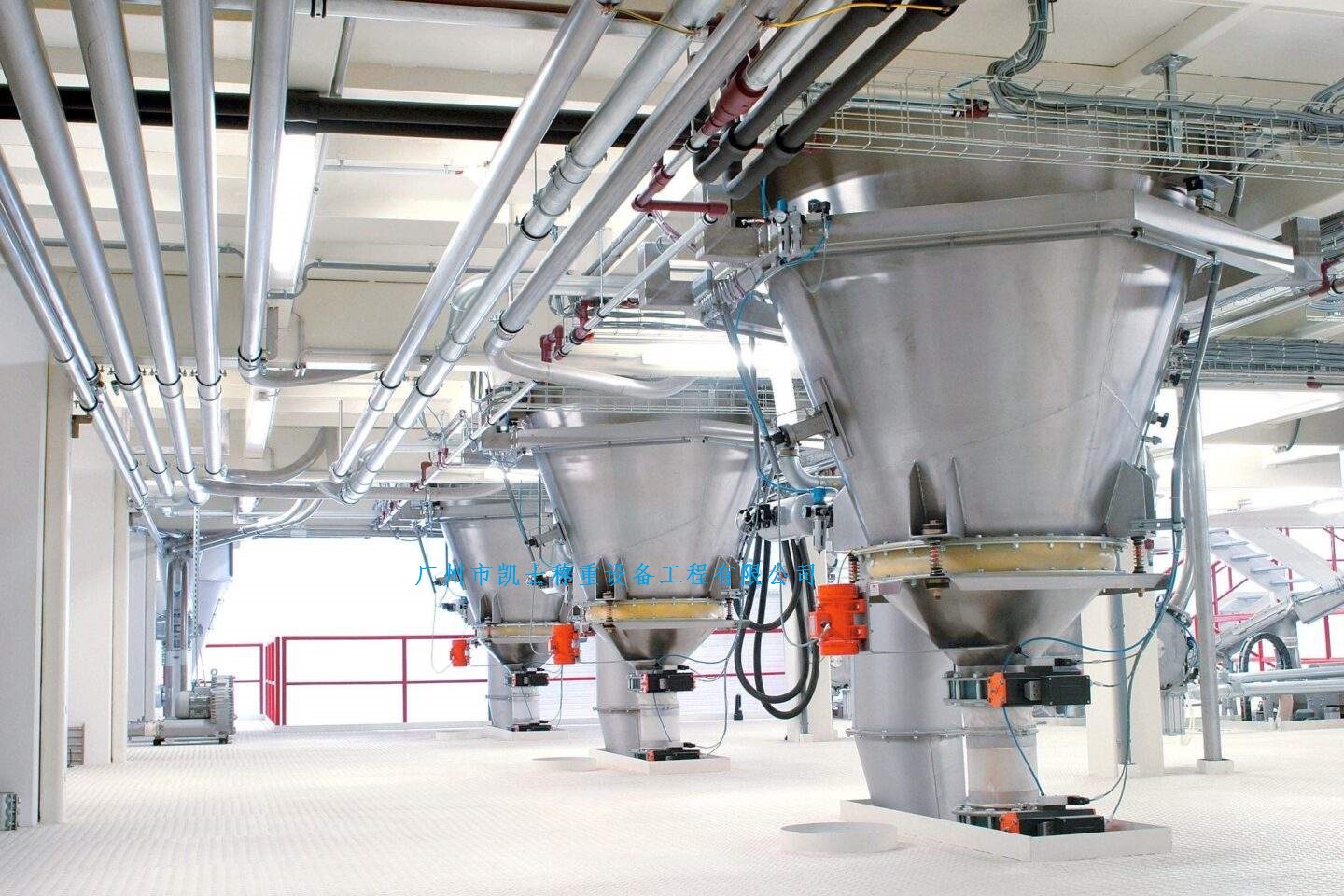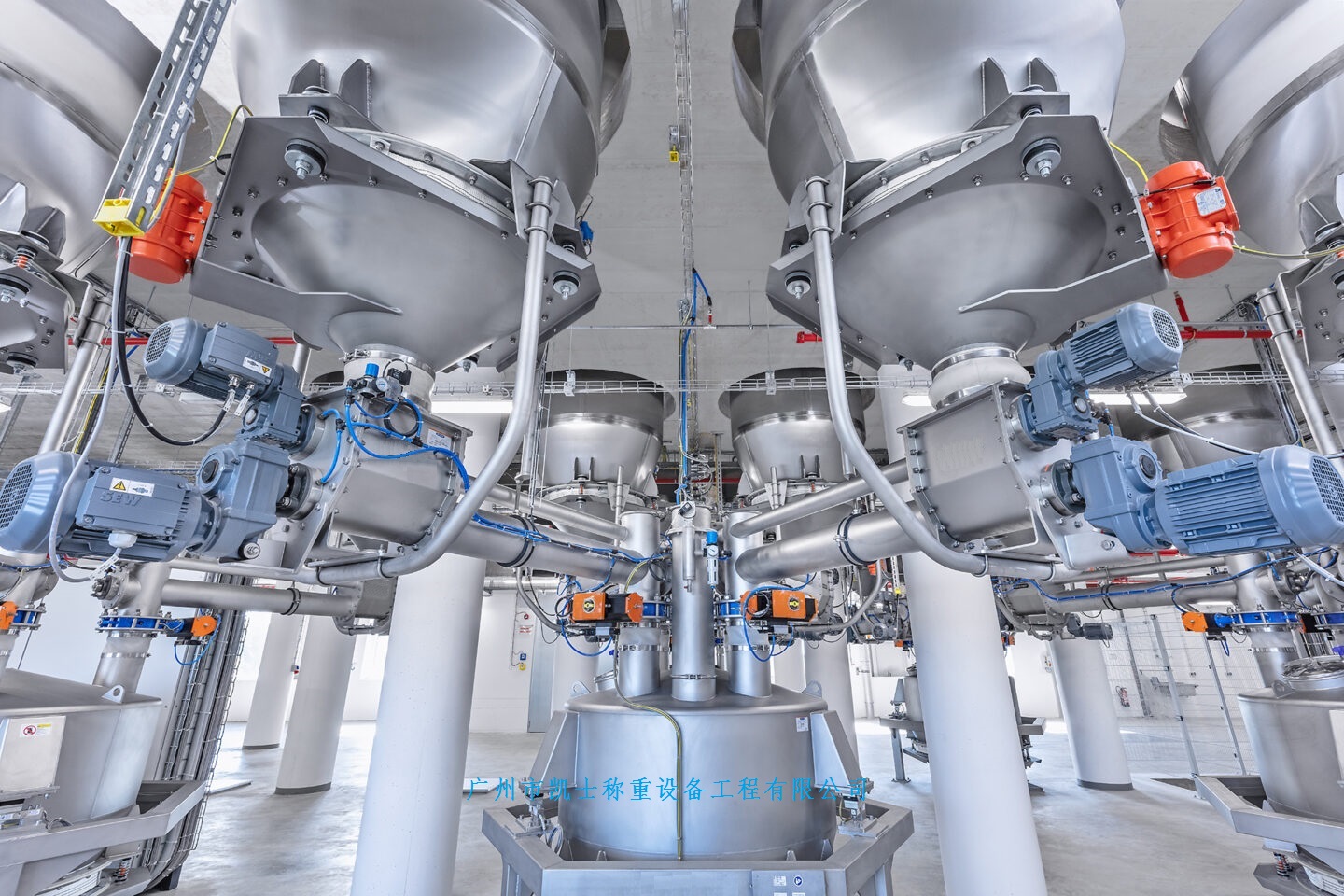





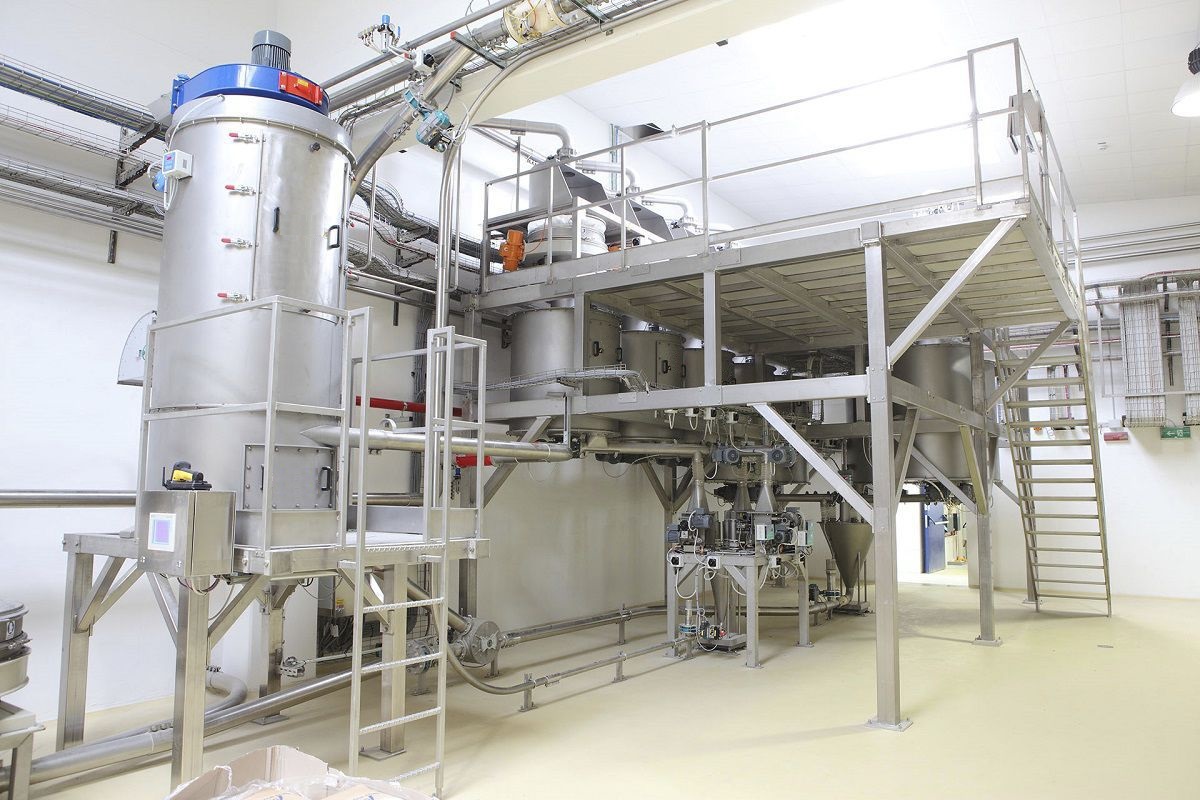
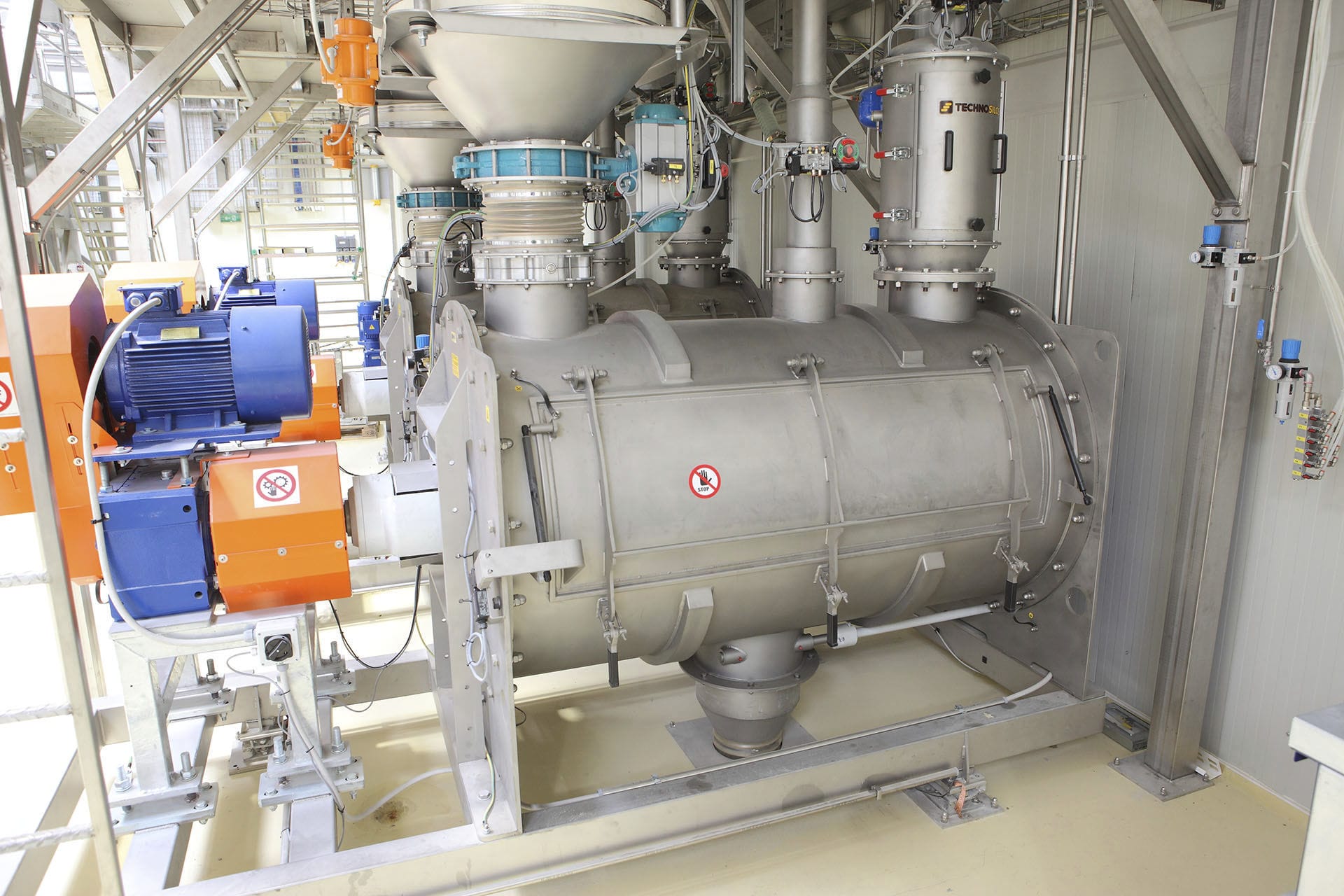
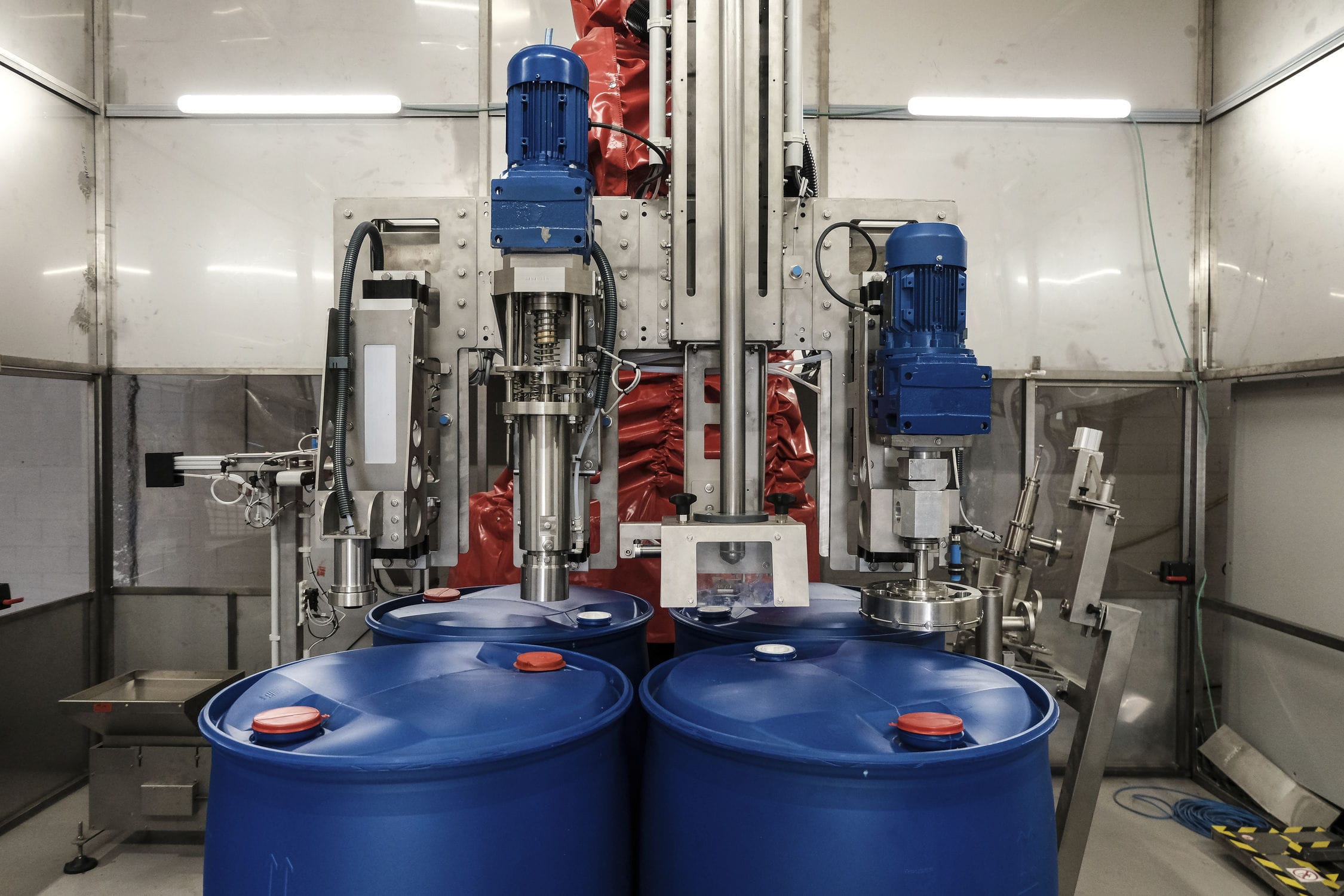
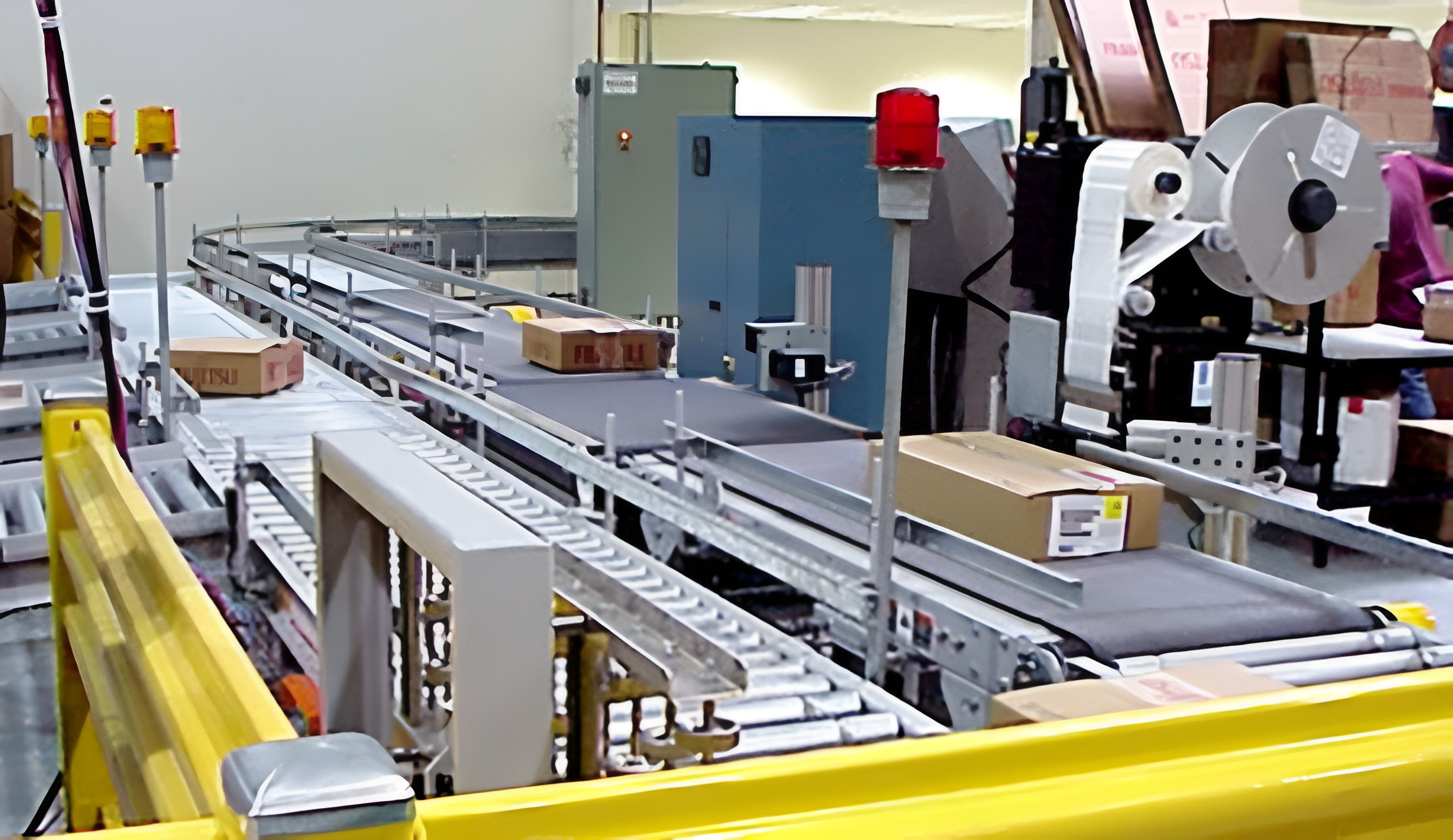
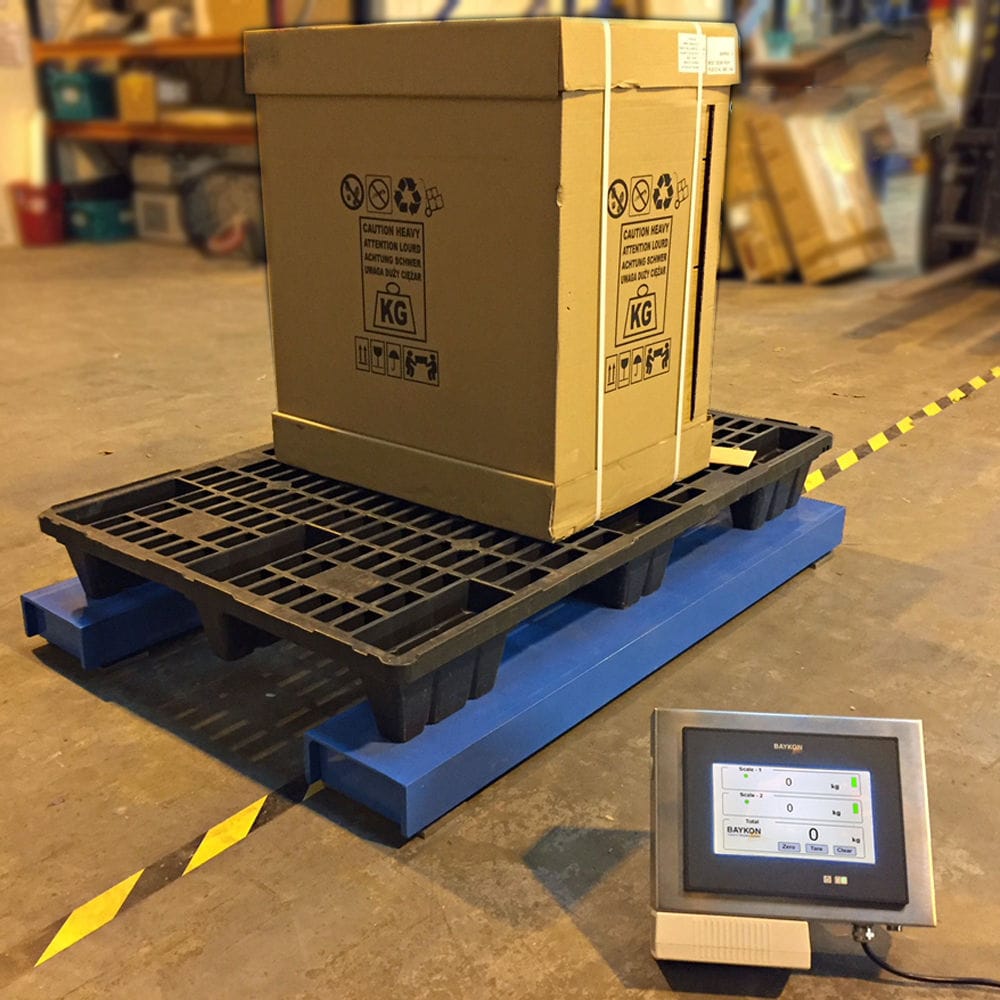


In the alumina conveying system, the alumina being conveyed is a dust-like substance, which is transported over long distances to the destination by high-pressure gas. The conveying system adopts turbulent double-tube PLC for logic control and sequential control. The alumina processed by the cooler is sent to two transmitters. The double-chamber alternating operation mode is adopted, that is, one feeding and the other conveying, which effectively improves the working efficiency of the entire system. The entire conveying process adopts a weighing system, and the control methods are divided into automatic control and manual control. The two pumps can cooperate well with each other to achieve high-efficiency transportation.

 020-34563445
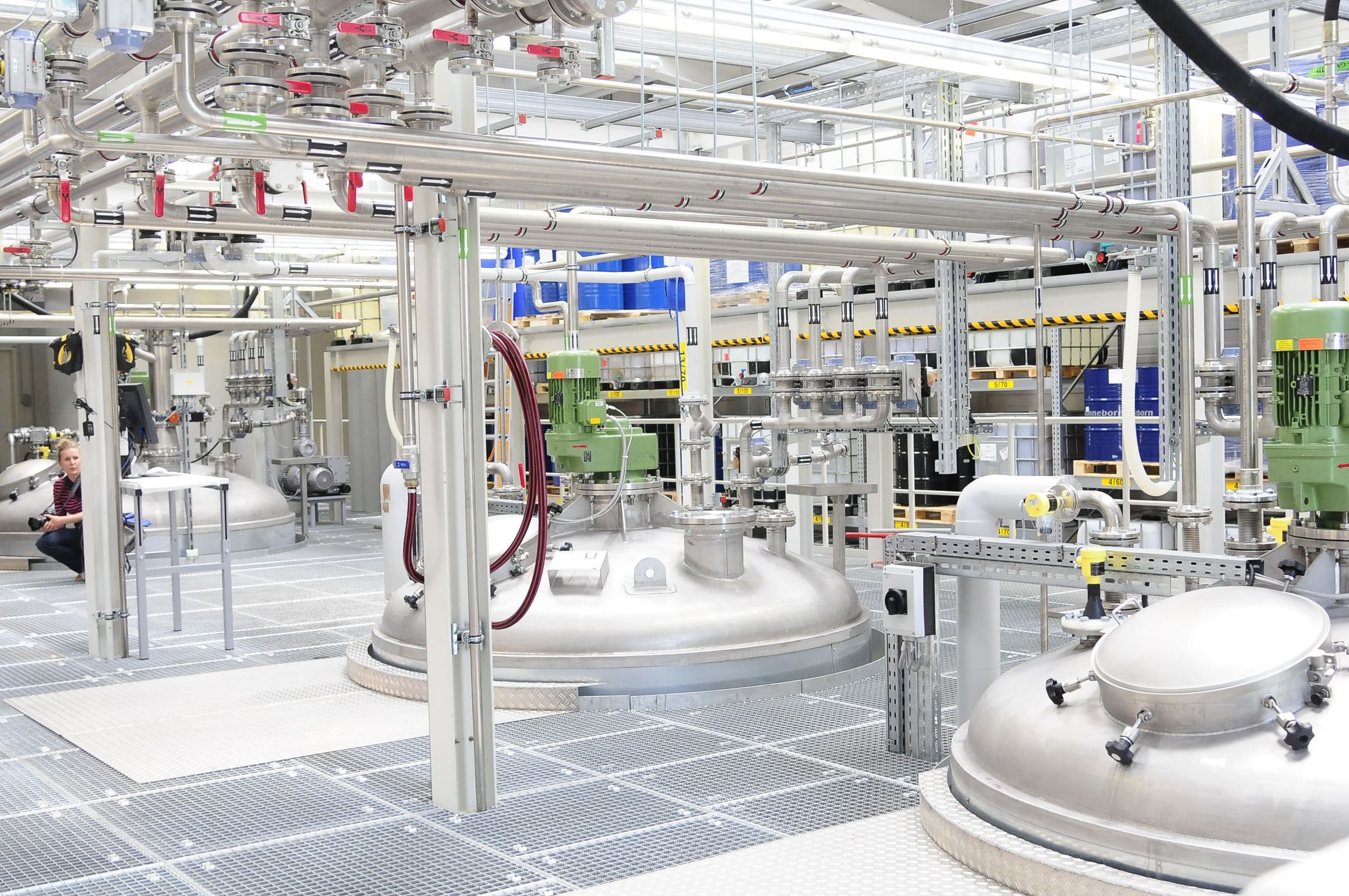
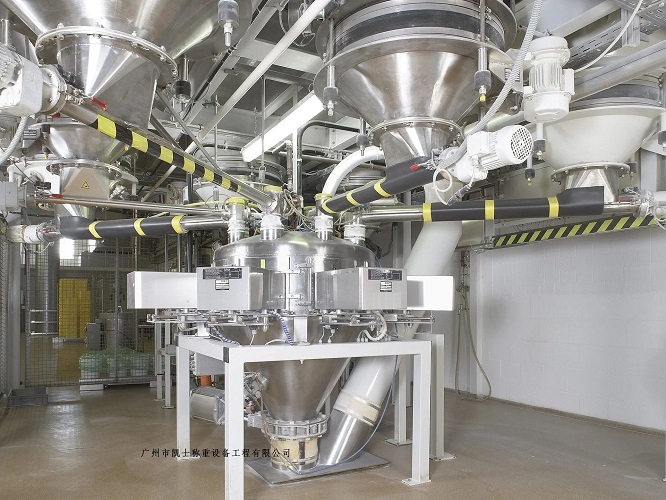
The alumina conveying system is composed of specially designed conveying pipelines, pressure measurement and weighing reaction vessels, compressed air pipelines, various valves, electrical control components and automatic control equipment, etc. The entire conveying process is monitored by weighing instruments and a central control room. The main controlled object is the pressure weighing reactor (pressure tank) and the solenoid valves around it that need to be controlled as a whole, which constitute the controlled object of the entire system. The pressure weighing reactor is the transfer station for raw material transportation. Air transmission mainly provides the air source for the pressure weighing reactor, mainly completing the transportation process of alumina powder from the above conveying pipeline to the interior of the pressure weighing reactor.
In the alumina conveying system, the alumina being conveyed is a dust-like substance, which is transported over long distances to the destination by high-pressure gas. The conveying system adopts turbulent double-tube PLC for logic control and sequential control. The alumina processed by the cooler is sent to two transmitters. The double-chamber alternating operation mode is adopted, that is, one feeding and the other conveying, which effectively improves the working efficiency of the entire system. The entire conveying process adopts a Weighing system, and the control methods are divided into automatic control and manual control. The two pumps can cooperate well with each other to achieve high-efficiency transportation.
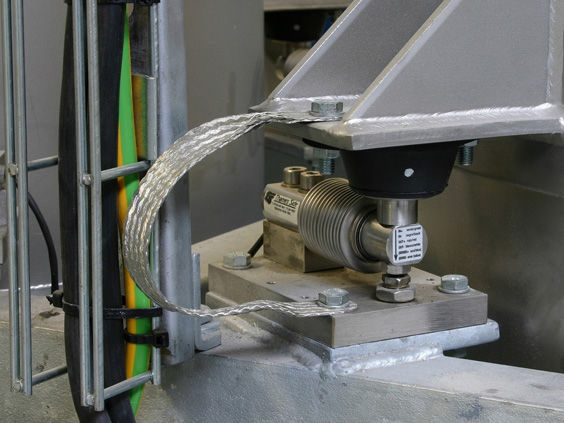
The purpose of powder weight control is to control the content of the ingredients entering the weighing system, thereby controlling the mass value of the powder flowing out. The control loop consists of a cascade regulation system composed of the mass of the powder, a weighing instrument and the weight of the powder. The weighing instrument serves as the main regulator, and the weighing module controlling the weight of the powder acts as the secondary regulator. The weighing module is the variable set value of the secondary regulator, which is compared with the powder flow signal. Then, the weighing module is used to control the action of the pneumatic valve to regulate the batching flow. Ensure that the ingredient outlet can quickly track the set value and ultimately remain near the set value unchanged. The measurement values of the weighing module consist of two. The weighing instrument connects the measurement values of the weighing module, and the set value of the target weight is input by the operator. The weight control of powder mainly involves regulating the solid content of the powder entering and leaving the process based on production requirements. The weight control of powder is composed of a cascade regulation system that combines the quality control of the powder and the speed control of the powder conveying pump. Meanwhile, the set value of the powder weighing module is affected by the drop of the weighing system, and the weight is controlled by adjusting the rotational speed of the powder pump.
The entire conveying system adopts a double-chamber alternating operation mode. When the system starts, the pump in the first chamber begins to feed materials, while the pump in the second chamber is in a stopped state. After the first bin pump finishes feeding, the second bin pump starts feeding, and at this time, the first bin pump begins to convey. After both the first bin pump's conveying and the second bin pump's feeding are completed, the first bin pump can start feeding and the second bin pump can start conveying. This cycle repeats itself. Due to the adoption of the double-chamber alternating operation mode in the weighing system, there are interlocking relationships between the feeding process of the first chamber pump and the second chamber pump, the conveying process of the first chamber pump and the second chamber pump, as well as between the feeding and conveying states of one chamber pump itself. The control of these interlocking relationships in the program plays an important role in the entire conveying process. It is also the key to whether the entire system can operate reliably. Interlocking can be carried out in two ways: hardware interlocking and software interlocking. This system is implemented through software.
The control system exchanges data and achieves communication via industrial Ethernet. PLC and buttons, detection components, indicating mechanisms and actuators, etc. can complete data exchange and communication functions through fieldbus. The material level detection element and pressure detection element transmit the detected material level and pressure signals to the PLC. Through the action of buttons, signals such as the start, stop, overload and fault of the motor can also be transmitted to the PLC. The PLC outputs relevant signals according to the corresponding program, such as the start and stop of the motor, overload alarm, fault alarm, opening and closing of the solenoid valve, etc.