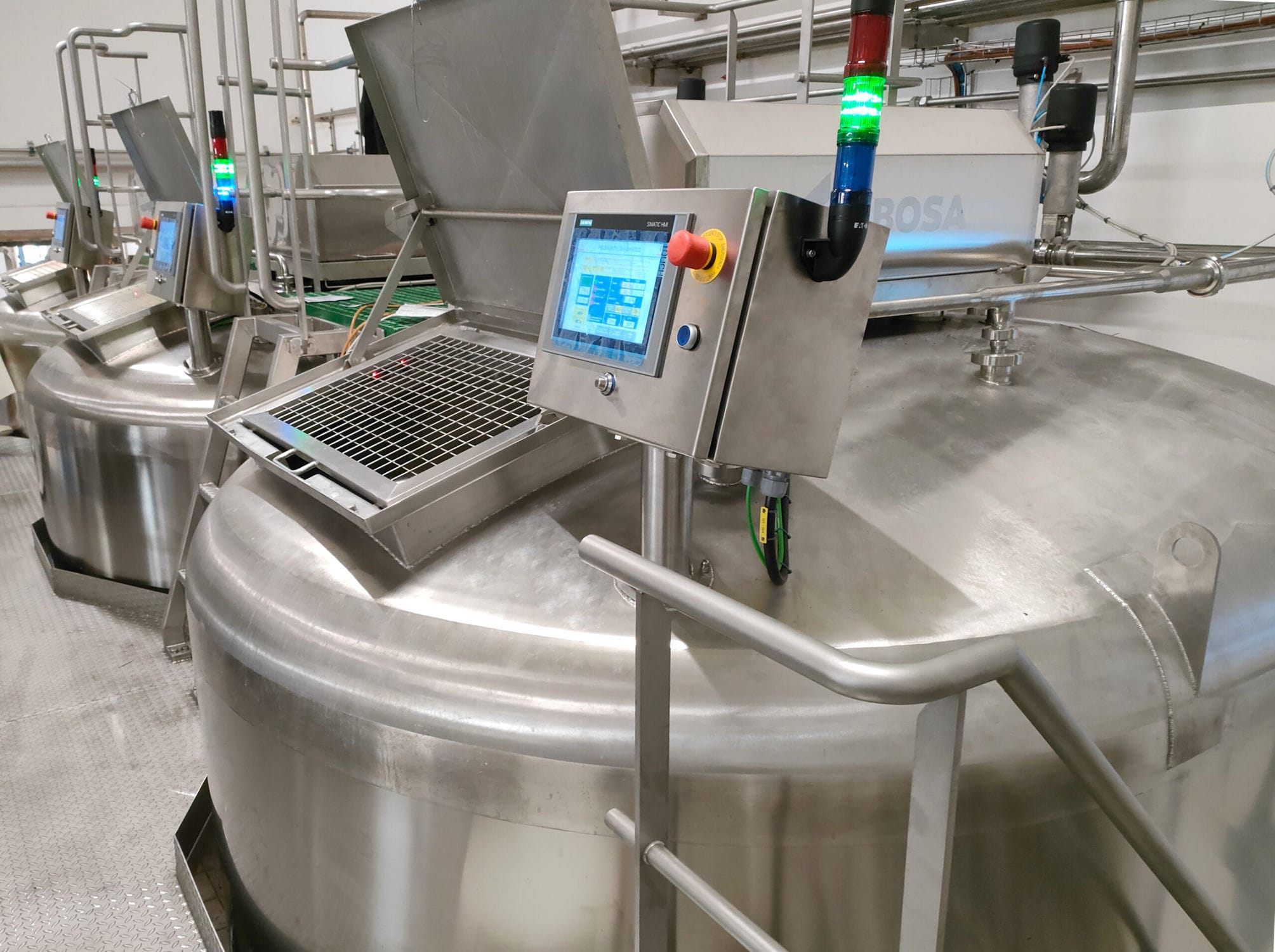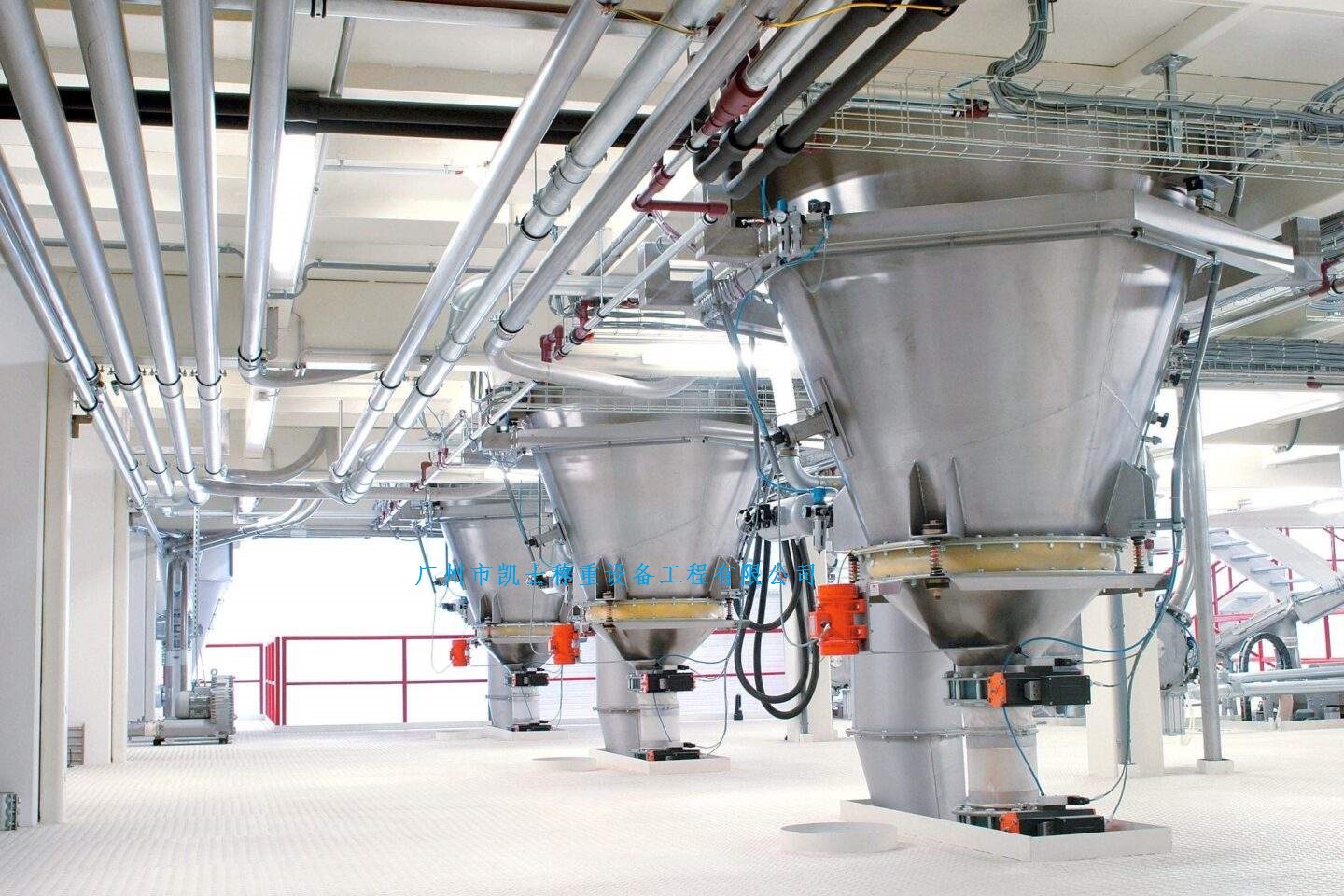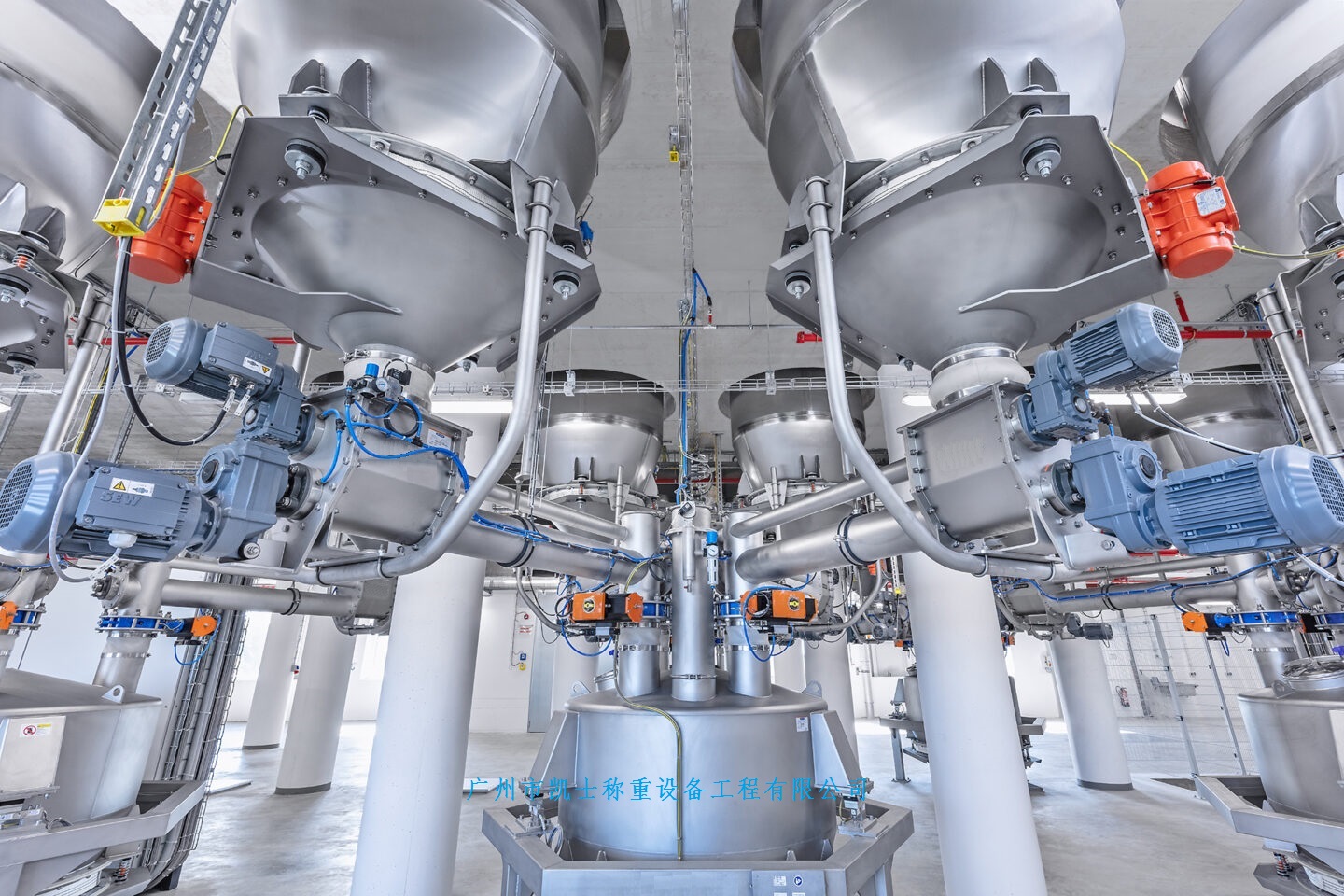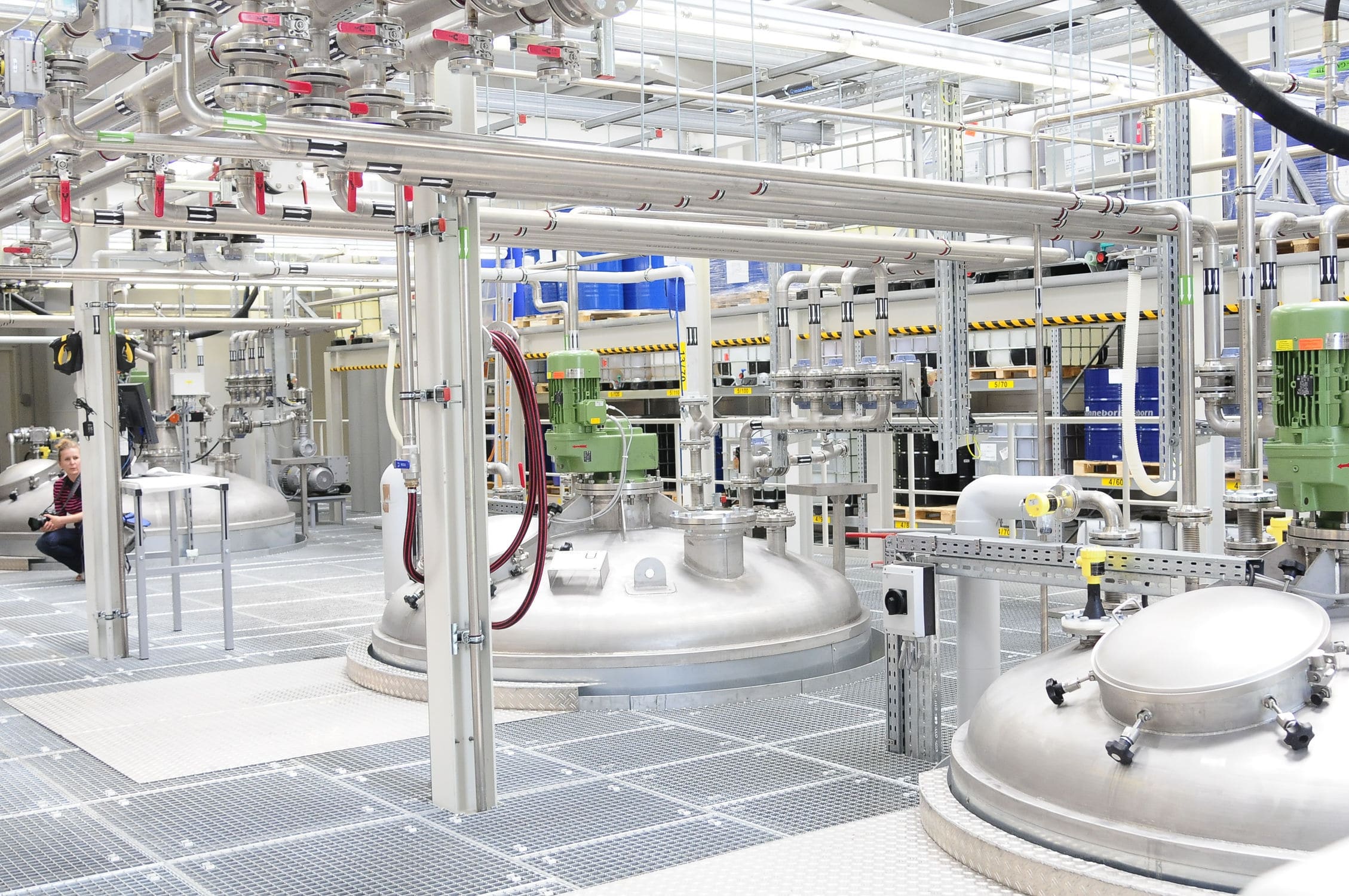


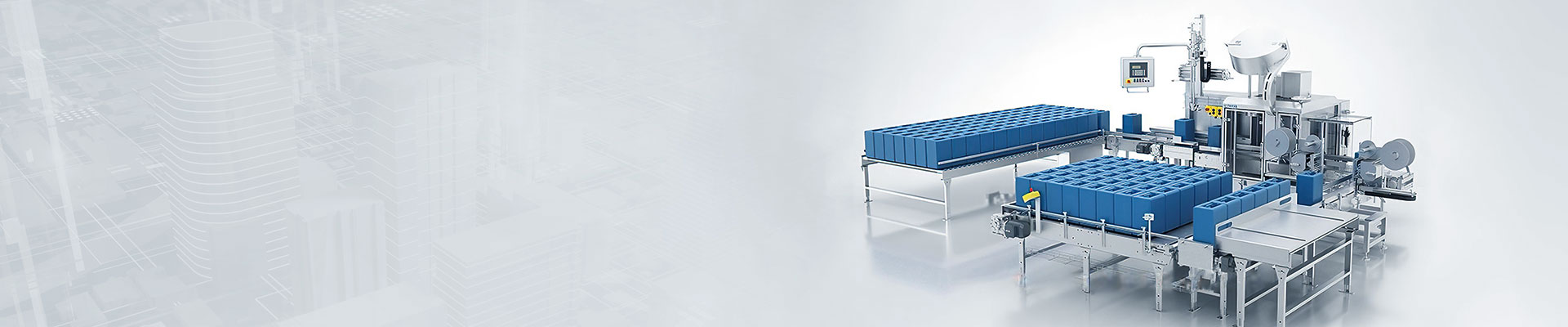
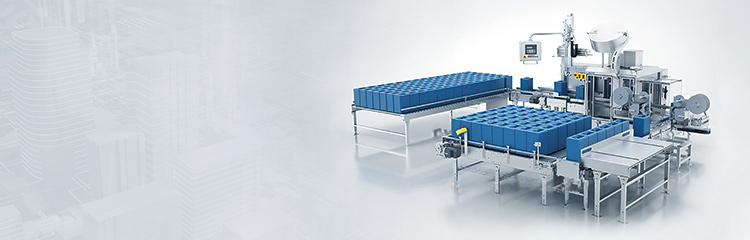


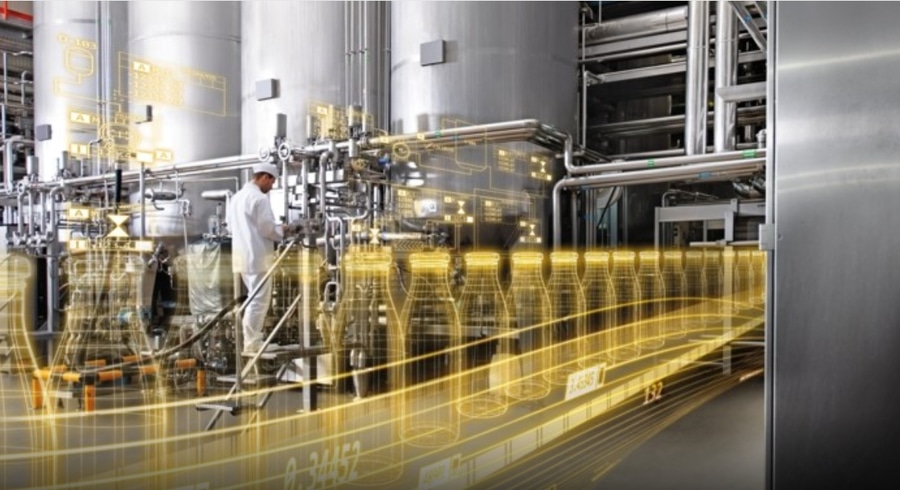
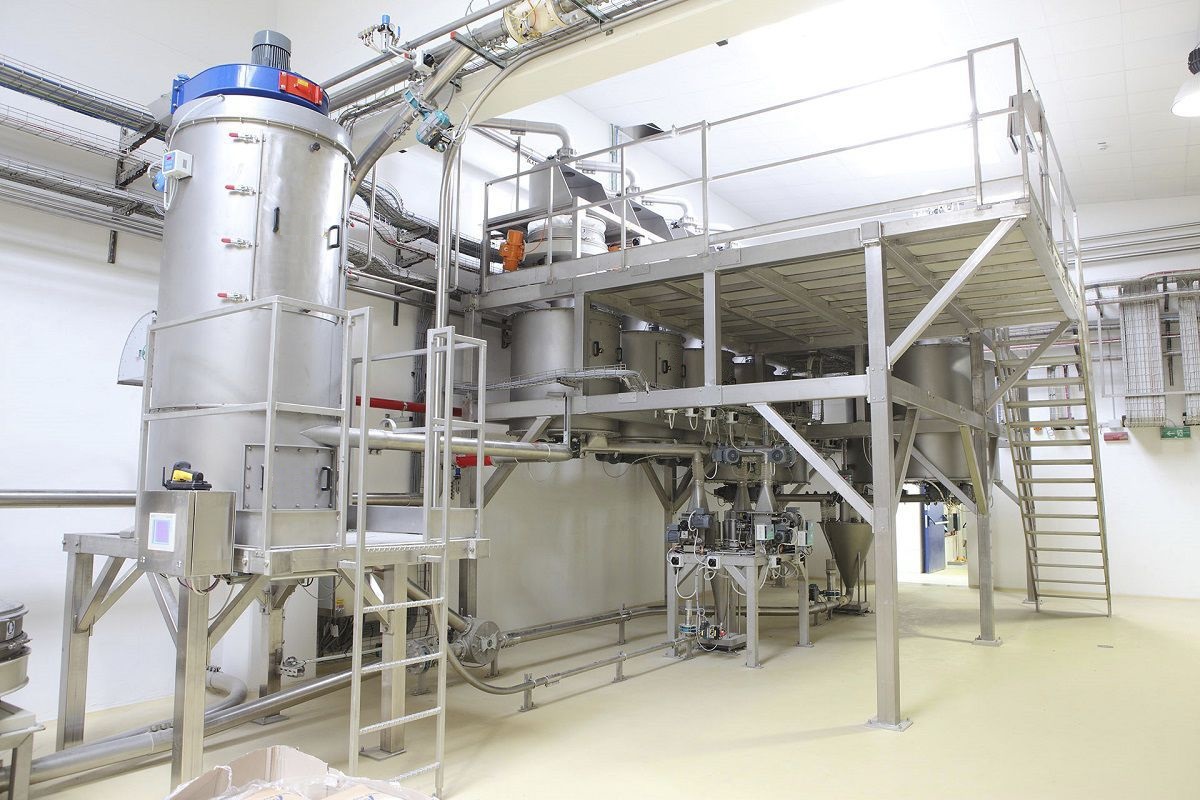
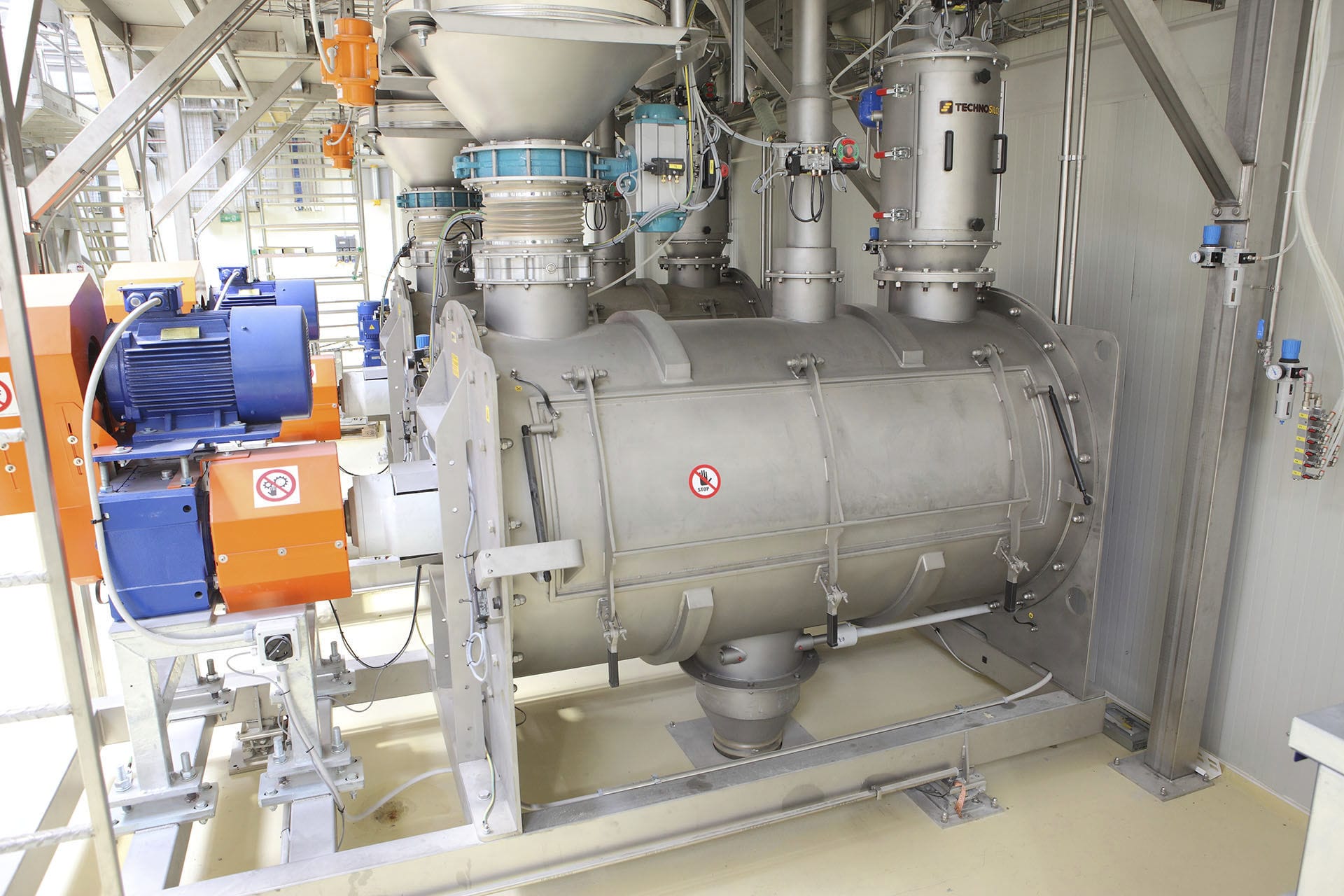
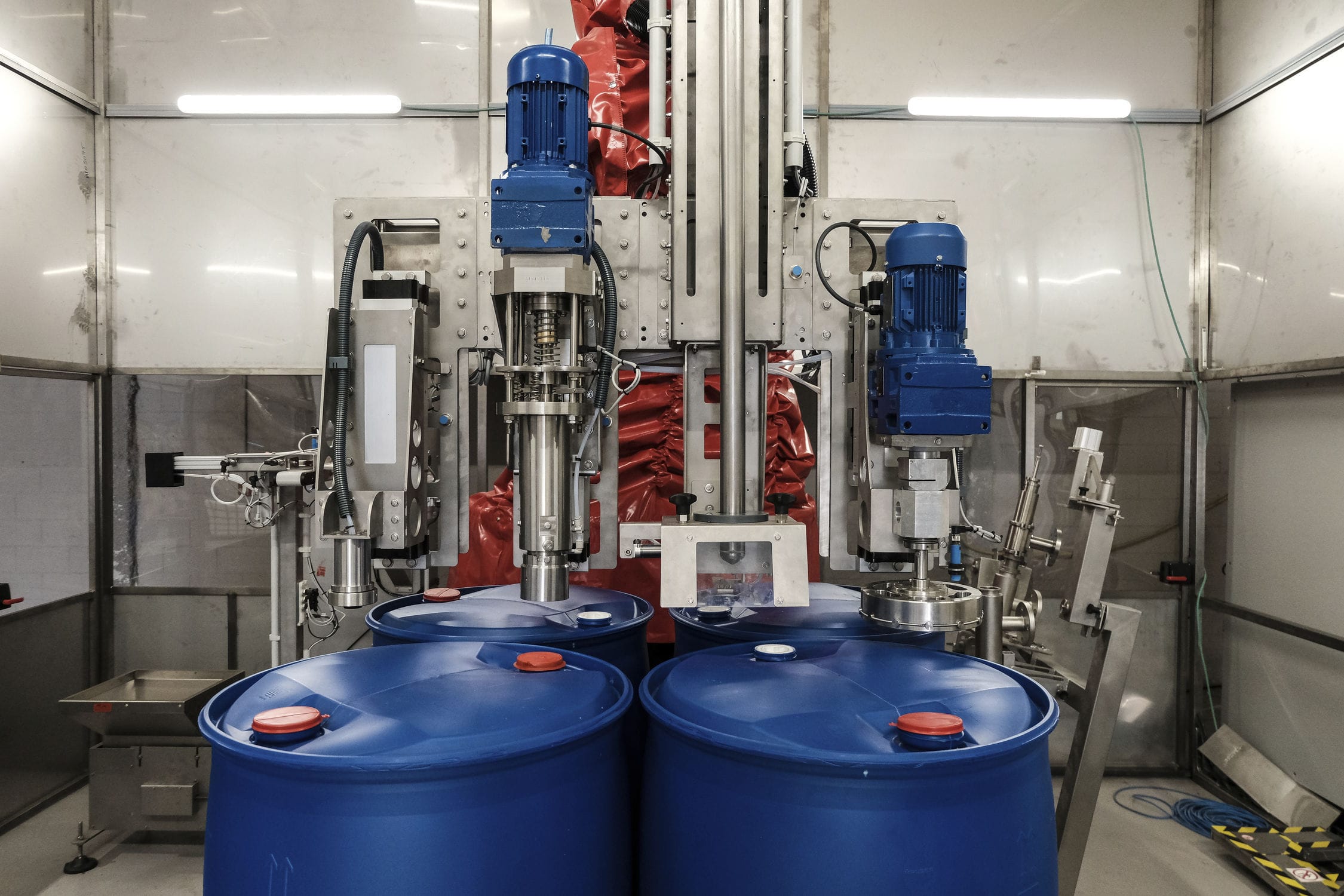
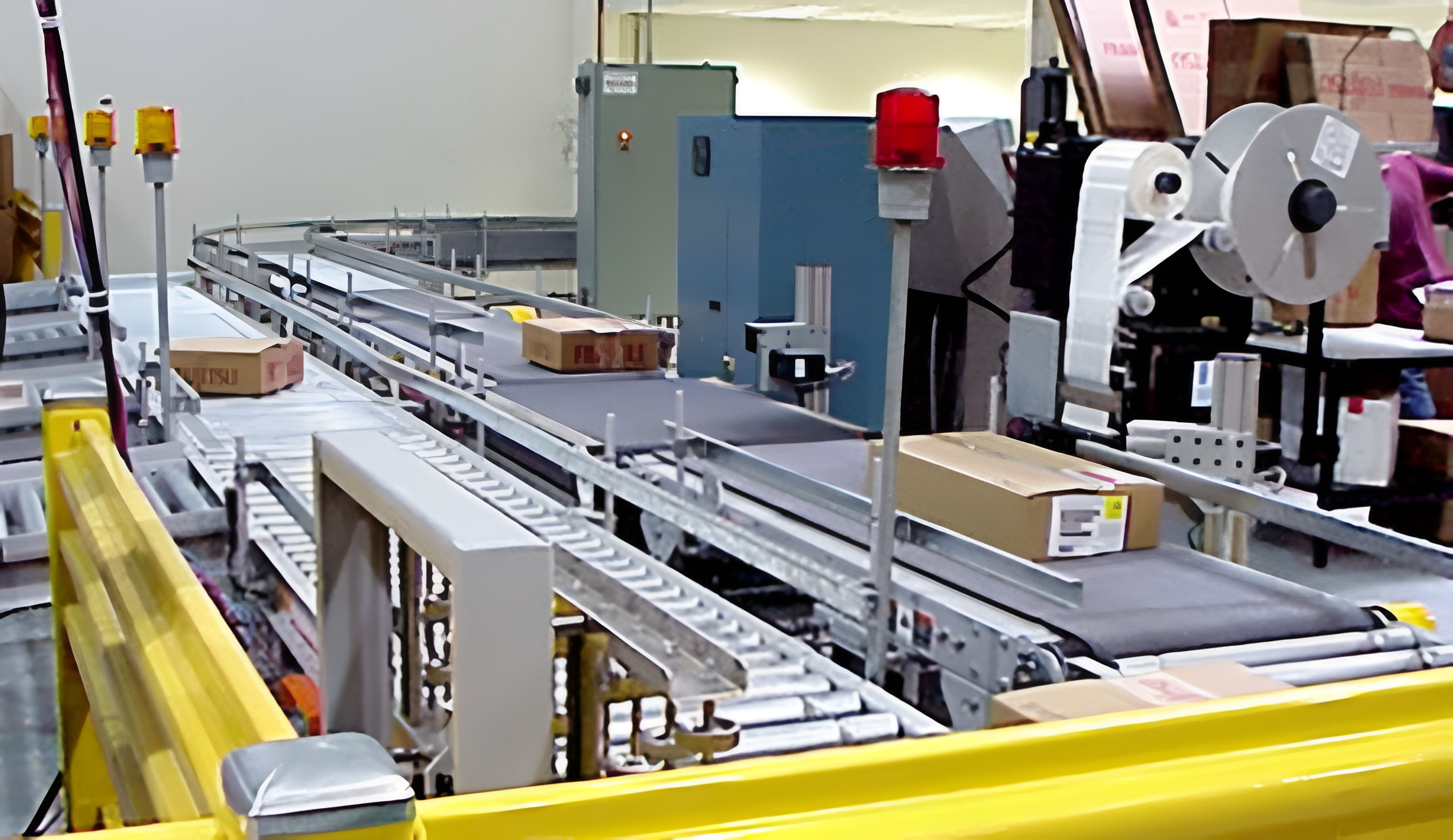
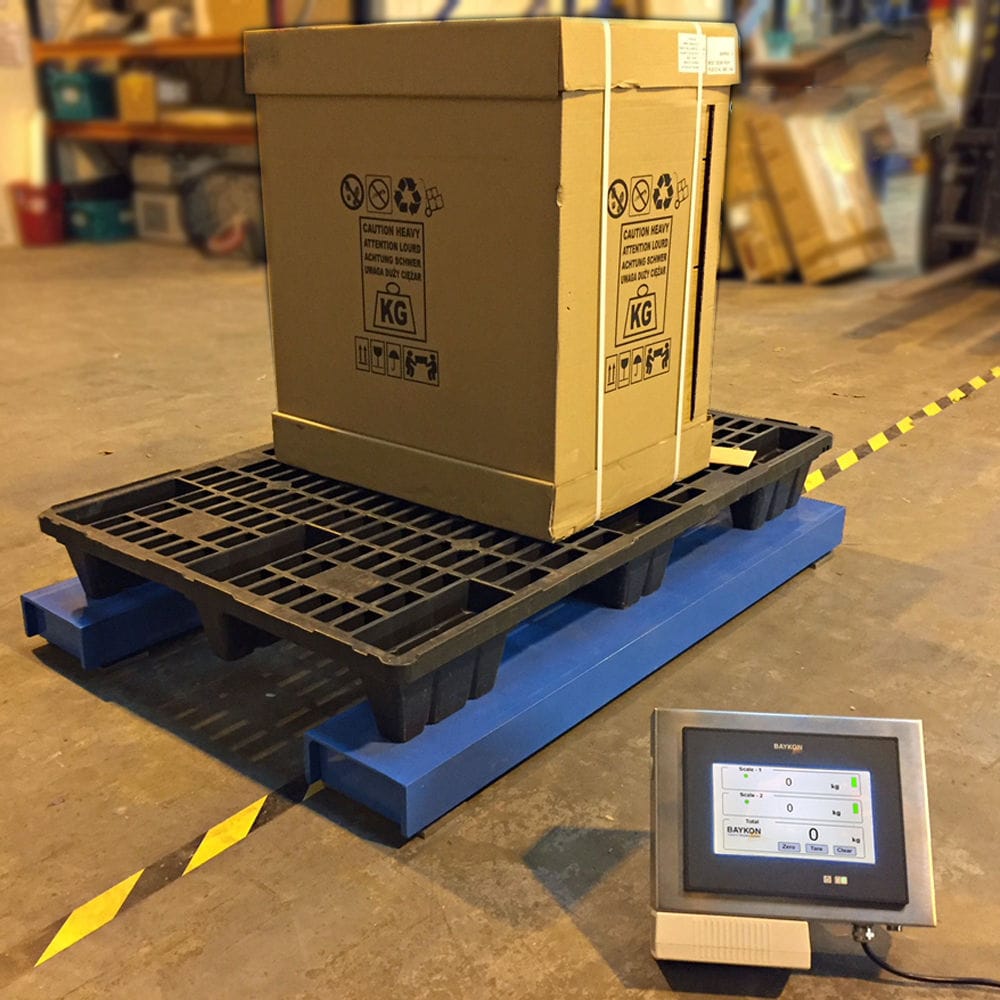


The material conveying and mixing system, through processes such as weighing and feeding, formula control, mixing and homogenization, and material conveying, is an integrated automated system that combines microcomputer control and data management. It is equipped with a high-performance control platform composed of Mitsubishi or Siemens series PLCS and industrial control microcomputers. For the design of an automation system for production control, it is necessary to achieve stable and reliable operation, simple and practical operation, as well as superior cost performance.

 020-34563445
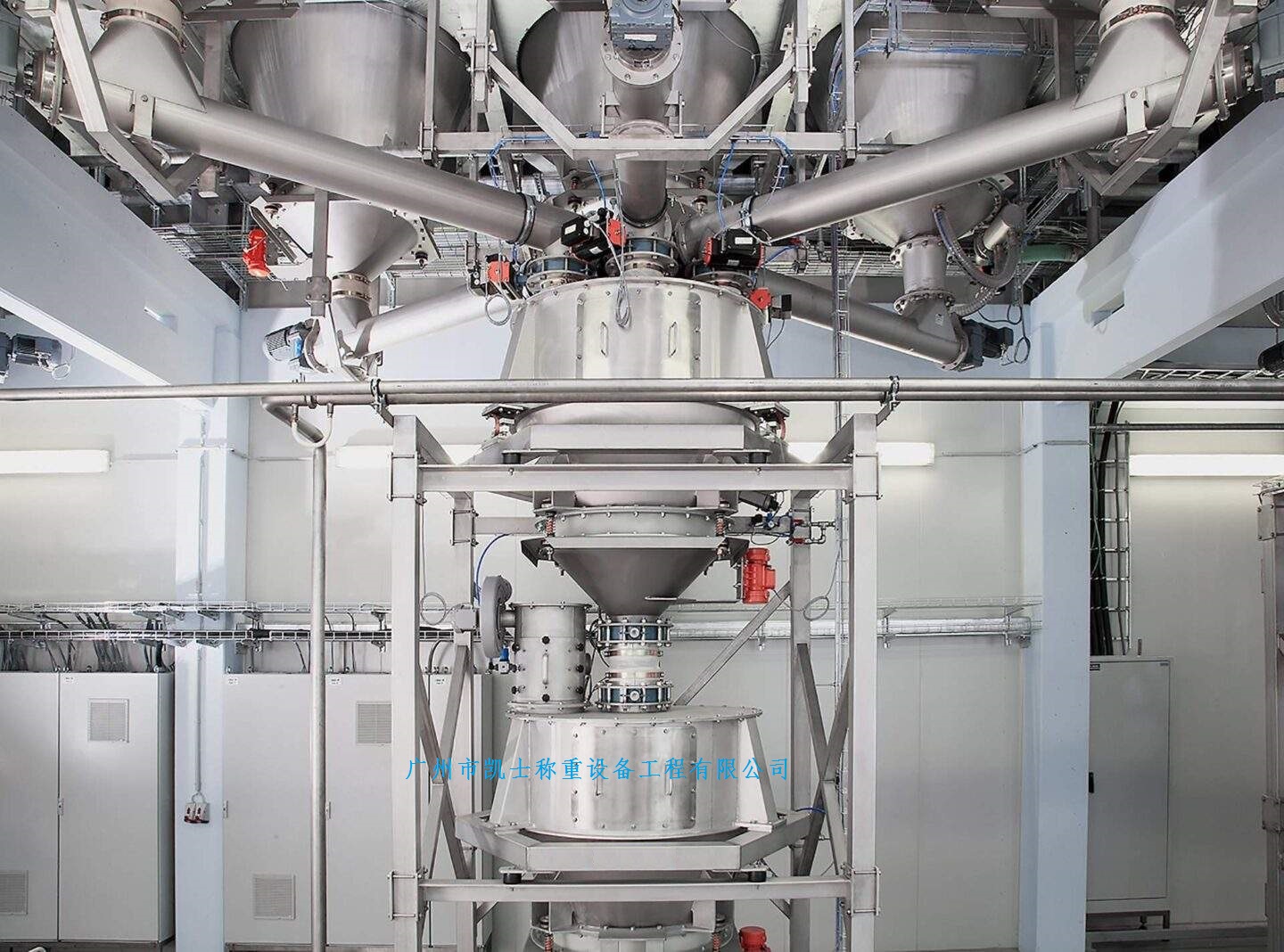
The material conveying and mixing system, through processes such as weighing and feeding, formula control, mixing and homogenization, and material conveying, is an integrated automated system that combines microcomputer control and data management. It is equipped with a high-performance control platform composed of Mitsubishi or Siemens series PLCS and industrial control microcomputers. The industrial control microcomputer is adopted, and the Mitsubishi or Siemens series PLC communication module, switch input/output module, manual/automatic control switch, manual control button and indicator light, etc. are all installed in the integrated control cabinet, which is convenient for operation. Tailor-made based on the basic requirements of the Batching system and the actual needs of users. It adopts high-precision Weighing modules and is combined with weighing instruments. The feeding and discharging control is carried out by means of pneumatic valve control and screw frequency conversion. Configure relevant mixing equipment according to material mixing and customer requirements; The screw feeding method or pneumatic feeding method is adopted to be responsible for feeding to the designated position.
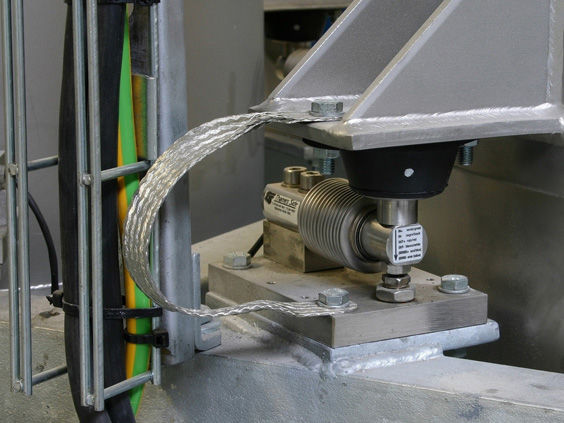
The Weighing system mainly consists of raw material silos, electric vibrating Feeders, hopper scales, weighing sensors, hopper door motors and computer control systems. According to the requirements of the task, this high-precision weighing system is applied to the weighing of metal powders on the assembly line. This system control adopts an intermittent static weighing principle. According to technical requirements, it weighs 30 times per minute, that is, the process of discharging, weighing and discharging is completed in each cycle period (2 seconds). At the initial stage of operation, the computer first starts the electric vibrator to send the raw materials into the weighing hopper. At this time, the weighing sensor sends the material weight signal to the computer through the A/D conversion module to convert it into data. When the material weight data is equal to the weighing set value, the computer controls the electric vibrator to stop, and then starts the hopper door motor to open the material port and send the raw materials into the next process silo. Considering that a too slow feeding speed may affect production, this system adopts a feeding method that starts fast and then slows down. When the weight of the material in the weighing hopper is set for weighing, the electric vibrator switches from fast vibration to slow vibration and then stops. This can accelerate the feeding speed of the batching system. Finally, the weighing system releases the material first. When the material head is transferred to the position of the hopper of the previous weighing system, the discharge port of this weighing system is opened to release the material. This process is repeated. At this time, the computer starts the hopper door motor to close the discharge ports of each weighing system, preparing for the next batching.
The electromagnetic vibrator feeding system is mainly used in equipment for granular and powdered materials, for feeding in weighing systems or belt conveyors, etc. Compared with other mechanical feeders, electromagnetic vibrators have many advantages. For instance, they have a simple structure, no rotating parts, no reduction mechanism, no need for lubrication or oiling, small dimensions, easy maintenance, low required driving power, small starting current, and the material jumps forward in a parabolic trajectory in the feeding trough, resulting in minimal wear of the trough. They are suitable for conveying materials with high abrasivity and high temperatures. It is convenient to start and stop, and has high control accuracy. The system adopts two electric vibrators. The upper electric vibrator feeds materials to the hopper of the Electronic scale, while the lower one discharges the weighed materials and pours them into the hopper. The hopper scale uses a pressure-controlled weighing module to detect the weight. When feeding materials, the upper electric vibrator works, sending the materials into the hopper scale. After the weighing module measures the weight, it is sent to the processor. When the preset weight is reached, the computer sends a signal to stop the upper electric vibrator and start the lower electric vibrator at the same time to unload the materials in the hopper scale and let them enter the mold.
Technical parameters
Packaging weight: 150-3000kg,300-5000kg
Display indexing spacing: 1kg,2kg
Measurement method: Load cell, net weight measurement (with a bucket), gross weight measurement (bag entry measurement)
Feeding methods: Screw feeding (horizontal and vertical), multi-position air valve, electromagnetic vibration feeding, sealed belt conveyor feeding, new type discharge valve feeding, etc.
Degassing methods: vacuum negative pressure type, return gas channel, normal pressure discharge type
Packaging speed: 300-500B/H (by net weight measurement); 200- 300/H (gross weight measurement) 60- 120B/H (for special materials)
Measurement accuracy: < = 0.2%
Optional accessories: arch-breaking device, air extraction device, heat sealing device