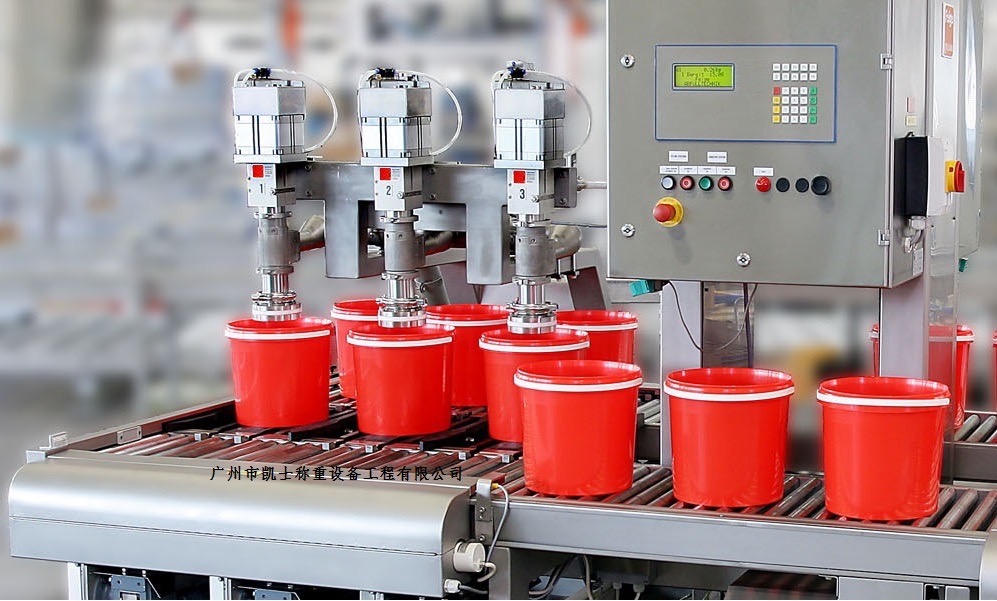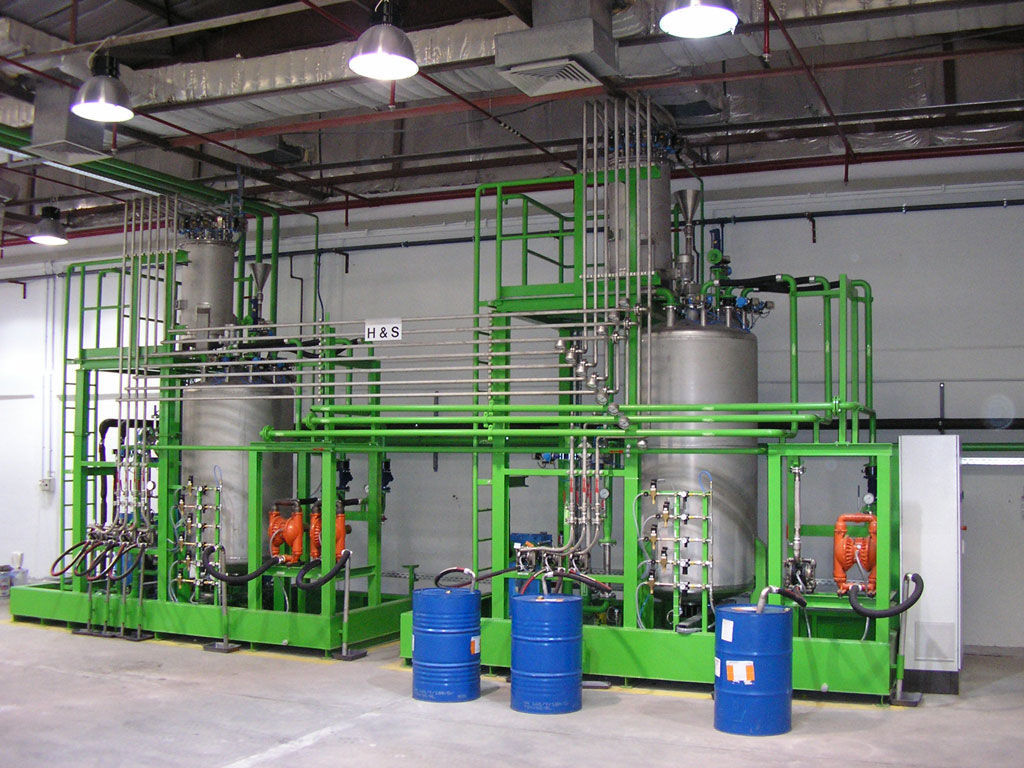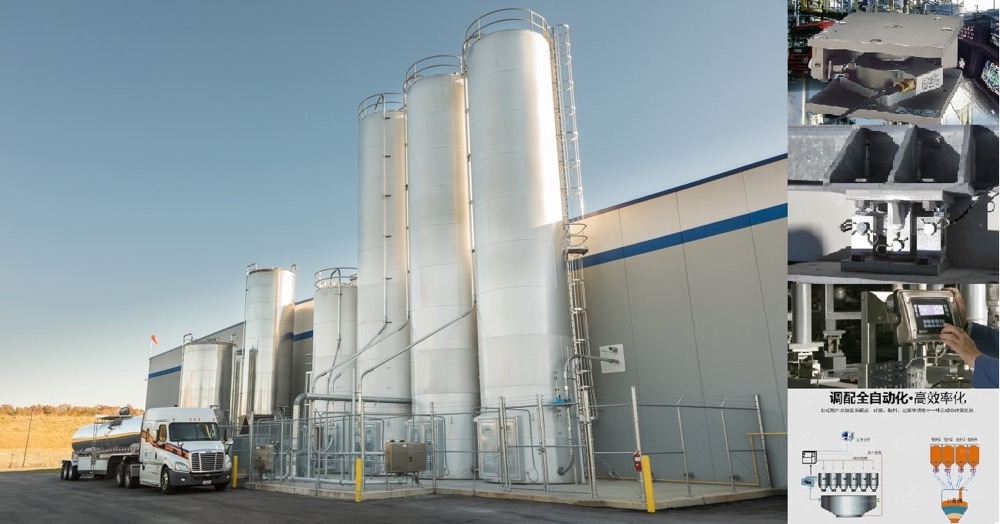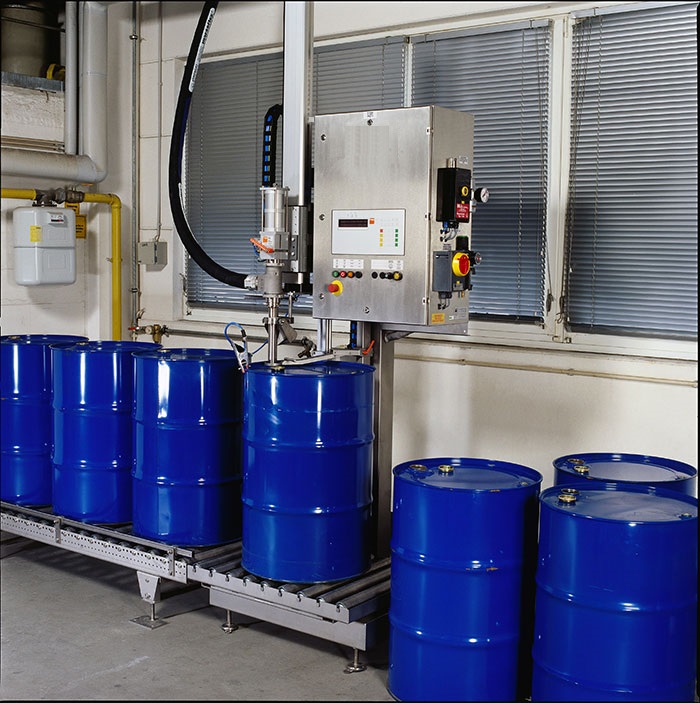




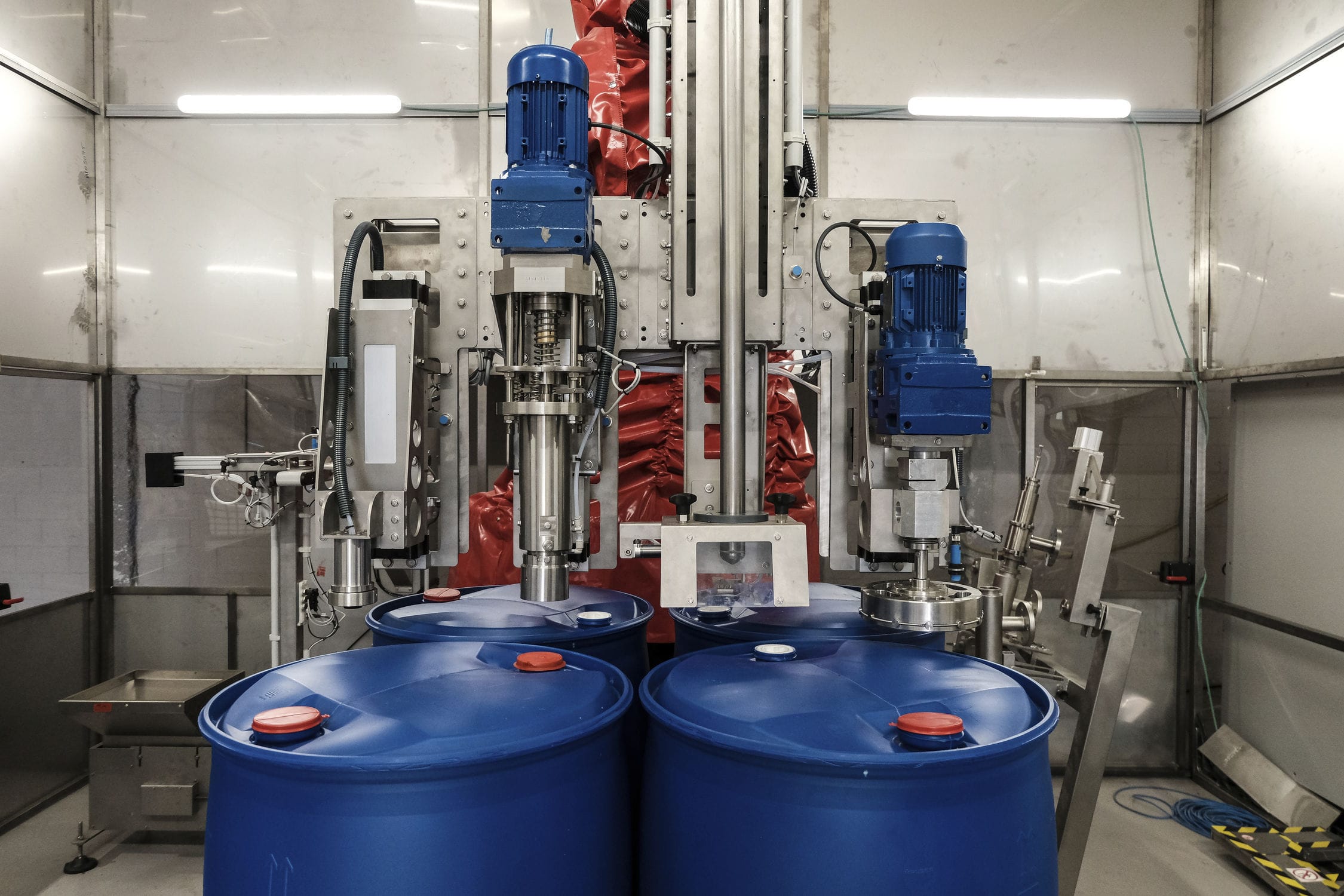


Solvent Automatic filling machine refers to the weight information collection, amplification, transformation, transmission, processing and display are integrated weighing system, through the PLC program to control the sensors, relays, switches and solenoid valves, drawing on advanced technology and technology, Integrate inventory management, filling management, filling weighing, process control and product traceability with my long-term accumulated experience.


 020-34563445
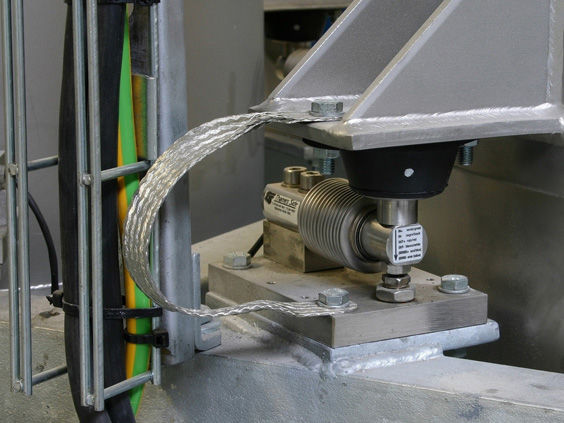
The automatic solvent Filling machine serves as a software for automated process control, utilizing computer recognition technology, printing technology, automatic control technology, and information technology to form intelligent filling and achieve precise production. Through the verification and confirmation of instruction information during the feeding and filling processes, as well as constraint measures for identifying material and container codes, the correctness of execution is ensured. The filling server serves as the central server to manage the entire Filling system, connecting the operation stations of various processes through industrial Ethernet as the network. Place one operation station for each process and connect the equipment of each process. Implement the functions of each workstation through the operation station. Liquid filling machine refers to a Weighing system that integrates weight information collection, amplification, transformation, transmission, processing, and display. It controls various sensors, relays, switches, and solenoid valves through PLC programs, draws on advanced processes and technologies, and combines its own long-term accumulated experience to integrate inventory management, filling management, filling weighing, process control, product traceability, etc. It uses barcode (QR code/RFID) recognition, wireless transmission, automatic weighing, etc We have independently developed an intelligent filling weighing and inventory management system using automation technologies such as PLC control, mechatronics, and computer interfaces. This system prevents material errors during filling, ensures weighing accuracy, and guarantees the precision of the filling process. Each batch of filling data is recorded and traceable, and the first in, first out principle is followed when raw materials are released, effectively solving the waste of raw materials.
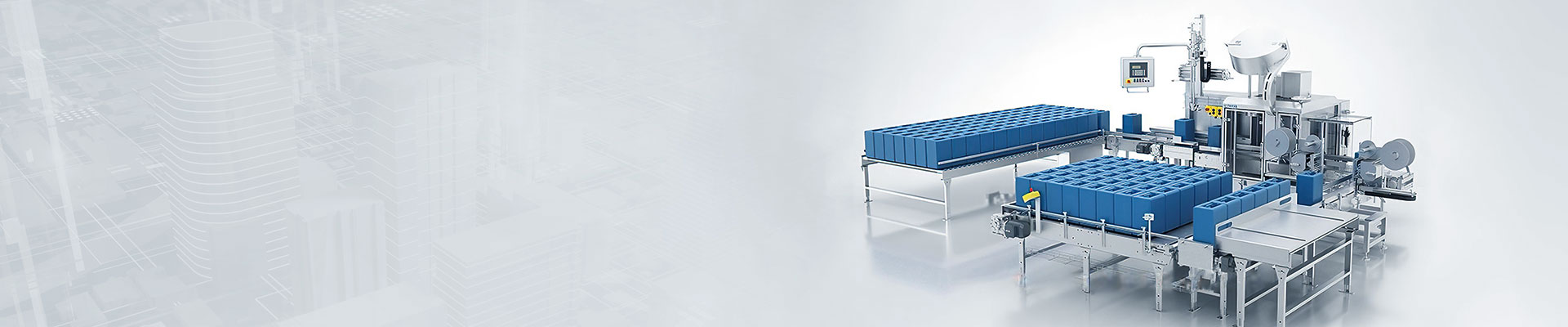
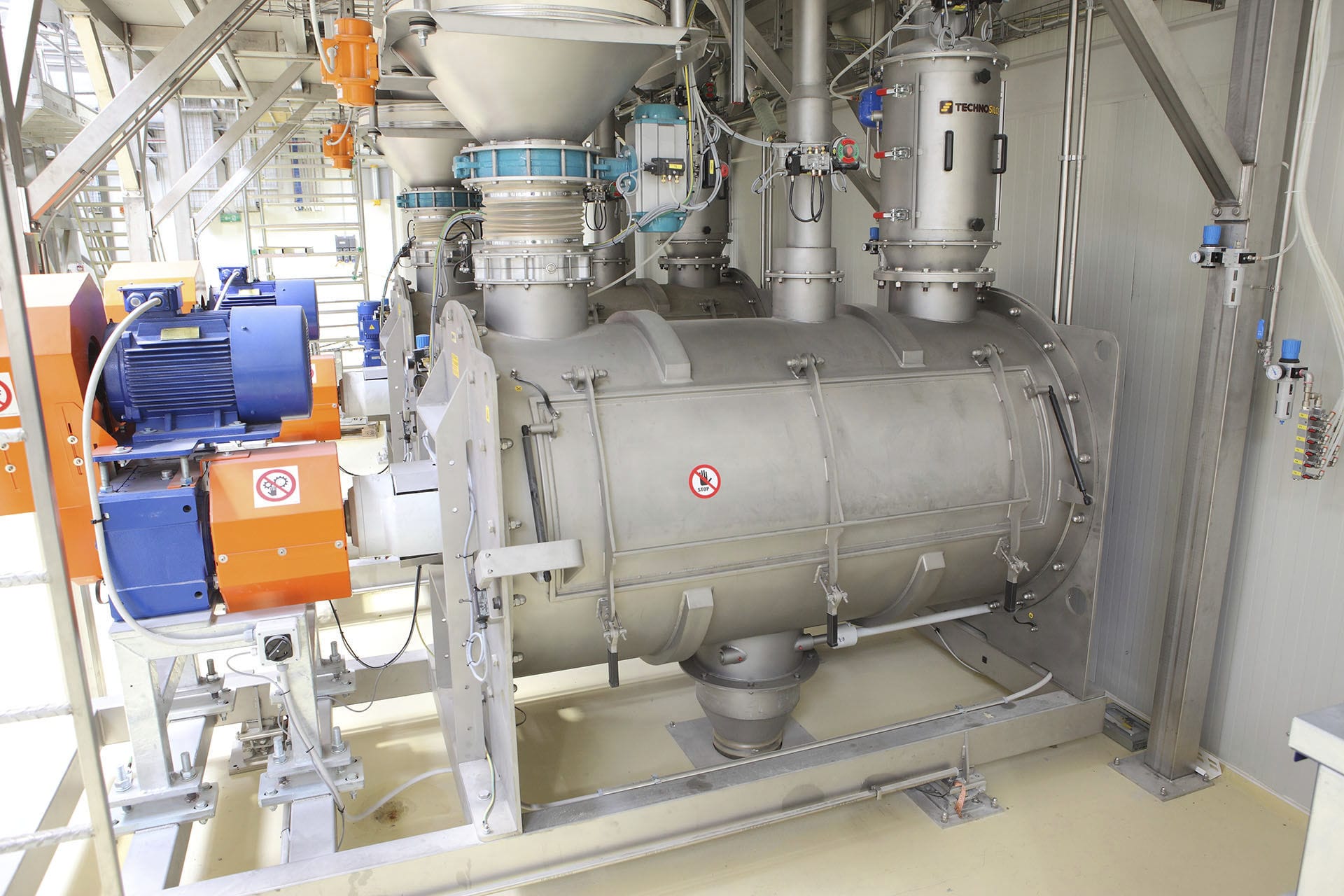
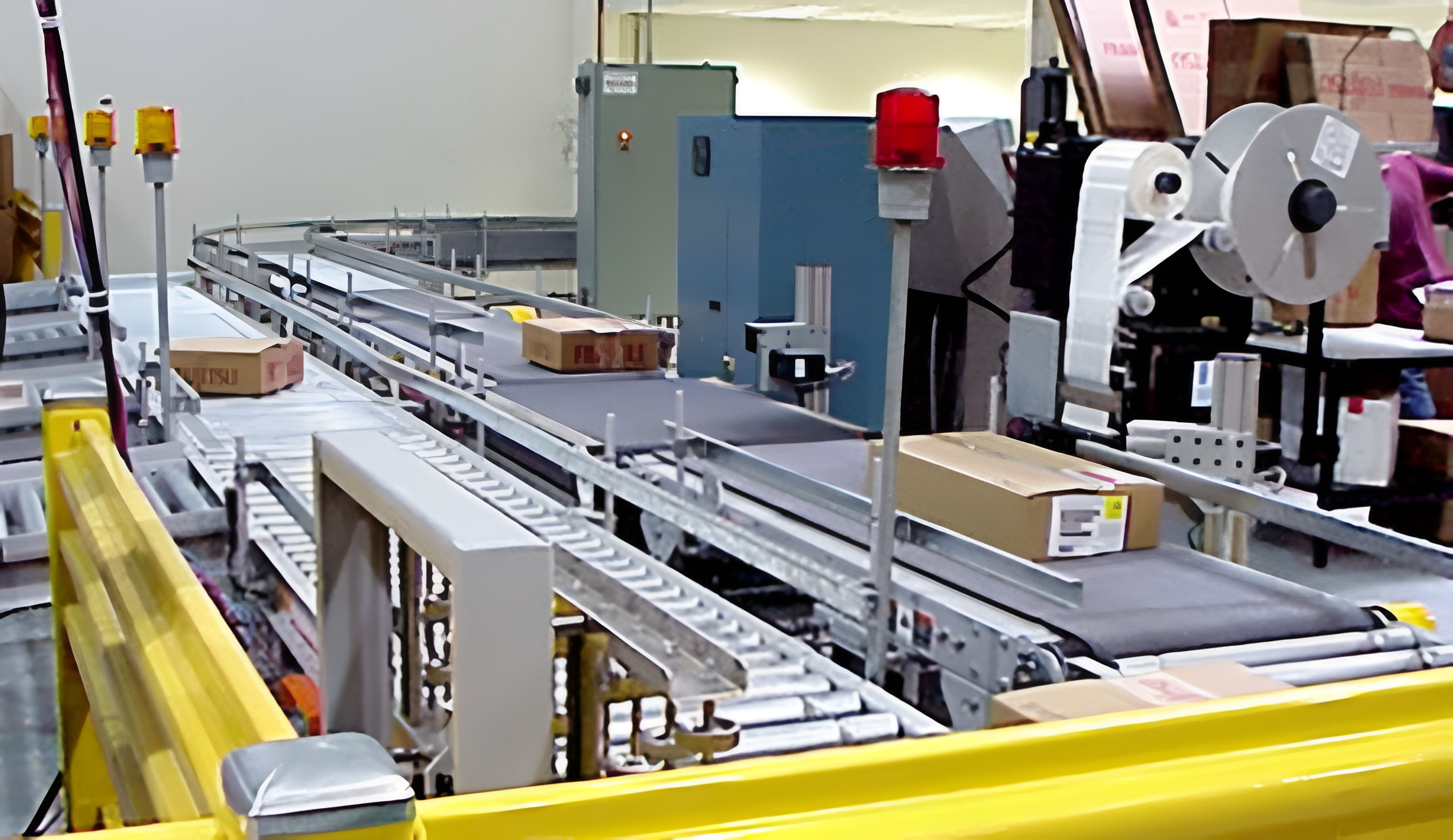
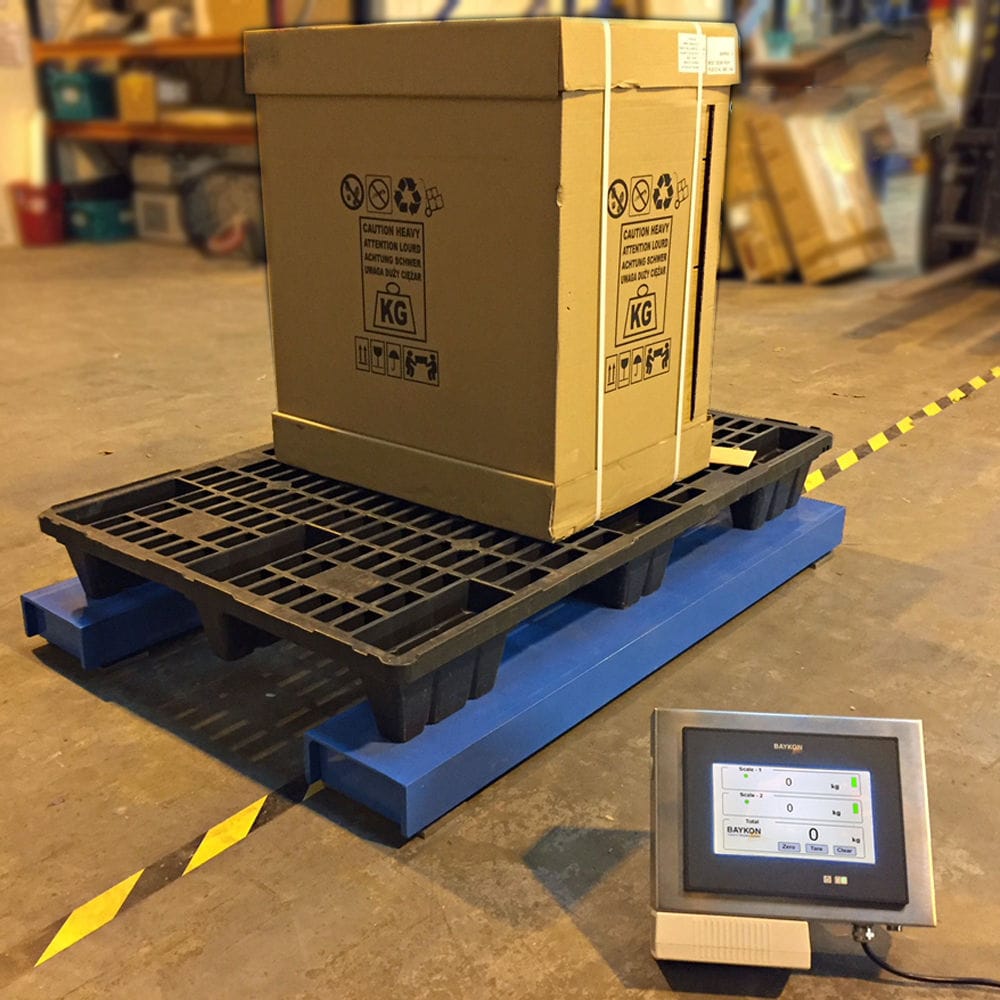
The automatic filling machine achieves automatic supply of containers through the upper drum turntable: the main conveyor belt is driven by the main conveyor motor to achieve overall transportation of the filled containers; Realize material weighing and measurement through weighing scales and weighing instruments; By changing the volume and number of cylindrical holes on the receiving plate, material volume measurement can be achieved; By adjusting the speed of the feed rotor pump, different proportional filling ratios can be achieved; Through the built-in PLC program in the main control cabinet, coordination of different components can be achieved; Switch between different programs through the touch screen; Realize directional conveying of barrel lids through lid sorting devices; Automatic capping and capping can be achieved through a capping device and a capping device; Conveying is achieved through a rotor device. The quantitative filling machine includes a frame, an electric control box and a gas source device are arranged at the bottom of the frame, and a main track is arranged above the main electric control cabinet. One side of the main track is arranged with a secondary track, and an upper drum turntable is arranged on the right side of the frame in a horizontal position with the main track. A main conveyor belt motor is arranged on the left side of the main track, and a conveyor belt discharge plate is arranged above the main conveyor belt motor. A container guide rail is arranged above the conveyor belt discharge plate, and an upper cover device, a capping device, a capping device, a reverse cover recovery track, and a positive cover conveyor track are arranged on the left side above the main track. The upper cover device is connected to the capping device through the positive cover conveyor track, and the outer side of the capping device is connected to the reverse cover recovery track. There is a screw cap device located below, and a touch screen is located on the left side of the screw cap device, On the upper right side of the main track, there are small hoppers and large hoppers. Below the small hopper, there is a left orifice plate, which is connected to a left cylinder on the left side. Below the left orifice plate, there is a left feeding rotor pump. Inside the large hopper, there is an anti blocking device. Below the large hopper, there is a right orifice plate, which is connected to a right cylinder on the right side. Below the right orifice plate, there is a right feeding rotor pump. Below the junction of the left feeding rotor pump and the right feeding rotor pump, there is an electronic weighing scale, and below the electronic weighing scale, there is a feeding plate. The outer side of the feeding plate is connected to the discharge cylinder through a push plate. Below the feeding plate, there is a feeding hopper. A rotor device is installed below, and the area between the front cover conveyor track and the left cylinder is an auxiliary station. The left side of the auxiliary station is the upper cover station, and a displacement cylinder is installed on the outside of the main track, There are weighing instruments, speed control switches for the right feeding rotor pump, and speed control switches for the left feeding rotor pump installed inside the electrical control box.
Basic Parameters:
Maximum weighing capacity: 30kg
Minimum sensitivity: 0.1kg
Filling error: ± 0.1-0.2kg
Filling speed: 20L, approximately 1500-1800 barrels per hour
Control mode: 2nd gear control
Filling method: Insertion type, above liquid level
Gun head pipeline: PTFE gun head, valve+PTFE hose
Structural material: SUS304 stainless steel for the host, carbon steel for conveying and stacking with anti-corrosion paint.
Scale platform size: 400 × 800mm (304 stainless steel power raceway)
Empty bucket raceway: 400mm × 2500mm (304 stainless steel power raceway) with an additional 1200mm sloping unpowered drum
Heavy bucket raceway: 400mm × 2500mm (304 stainless steel power raceway, 2 sets)
Bucket sorting device: suitable for 20L buckets, carbon steel anti-corrosion paint structure, 304 stainless steel raceway.
Stacking equipment: translation type, suitable for pallets of 1200 × 1200 × 140mm, including pallet supply, palletizing, and lower pallet conveying.
Pipeline pressure: 0.2-0.6MPa (depending on material properties).
Material interface: 4 DN40 flange joints, available according to user provided interface standards
Air source interface: The user provides a 12mm air hose connector for quick connector connection
Power supply: AC220/50Hz (provided by the user to the machine side)
Gas source used: 0.4-0.8Mpa (provided by the user to one side of the machine)
Operating temperature: -10 ℃ -50 ℃
Basic conditions: A strong horizontal concrete floor with a concrete thickness greater than 10cm.
Optional models: Standard and explosion-proof filling scales