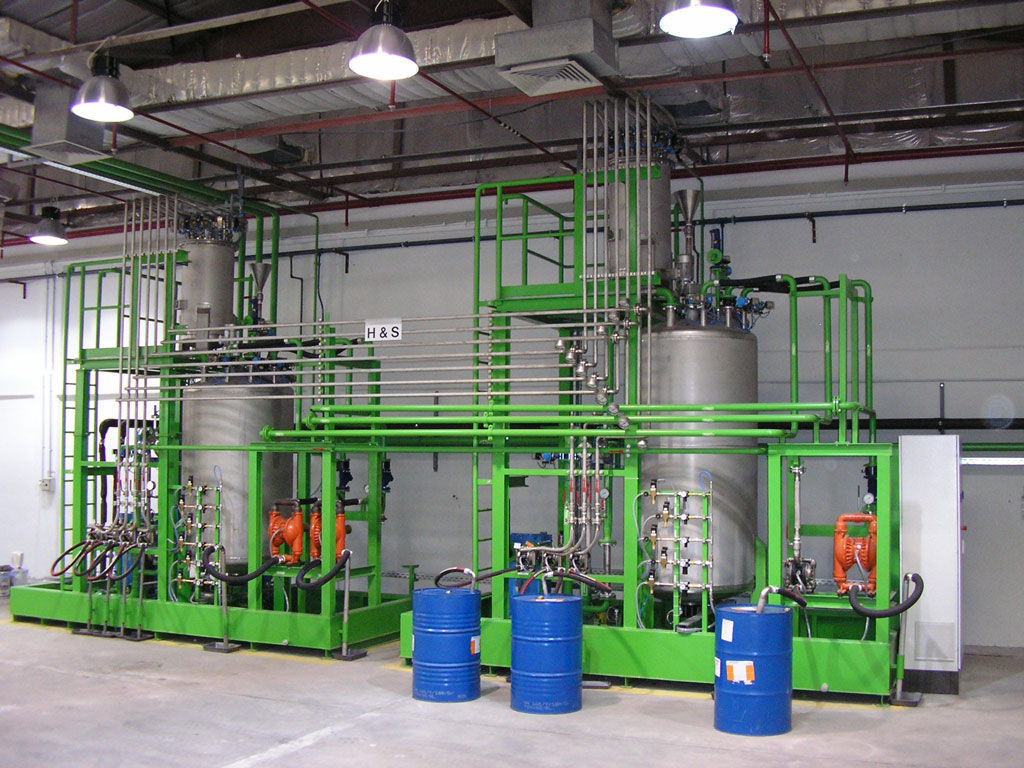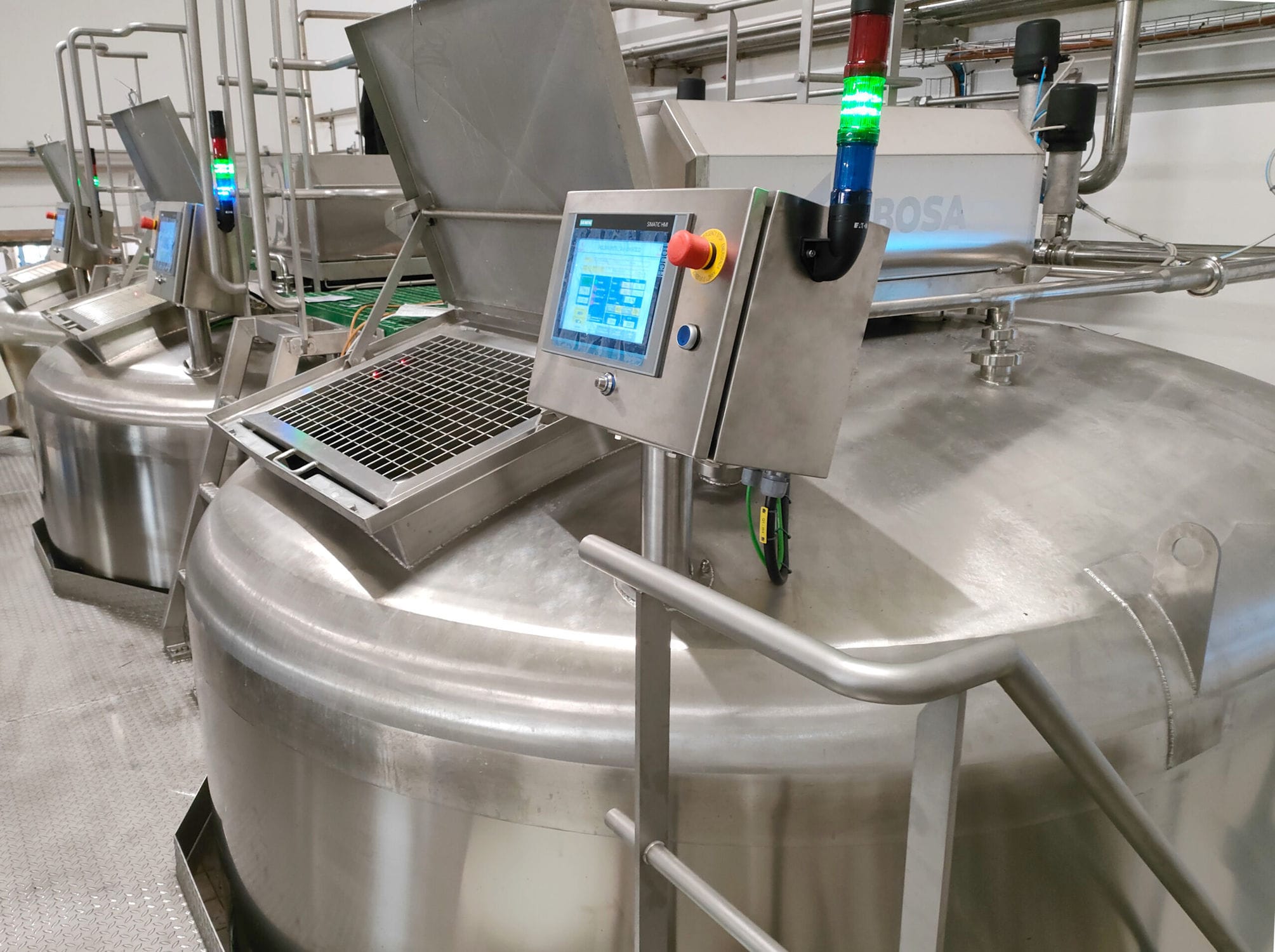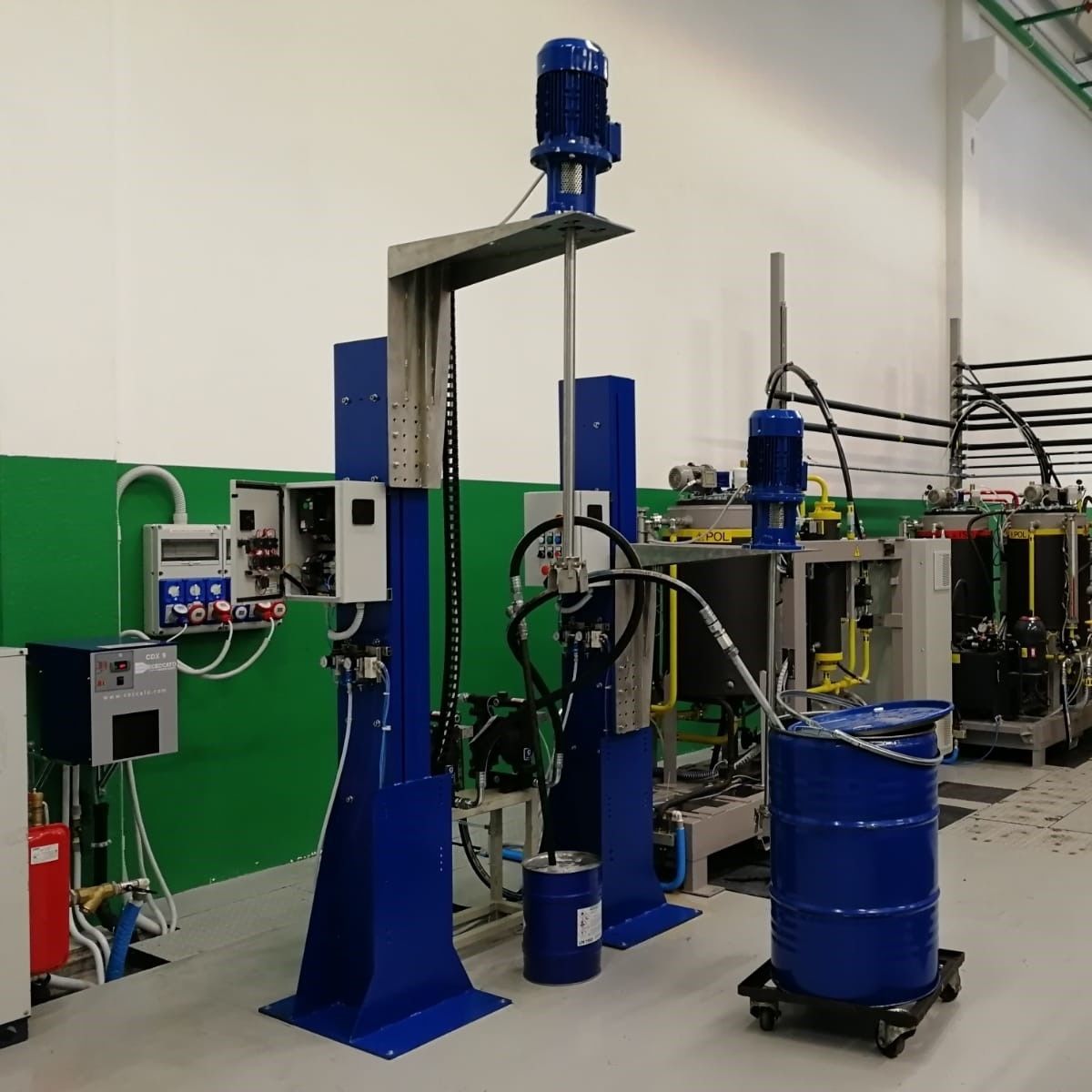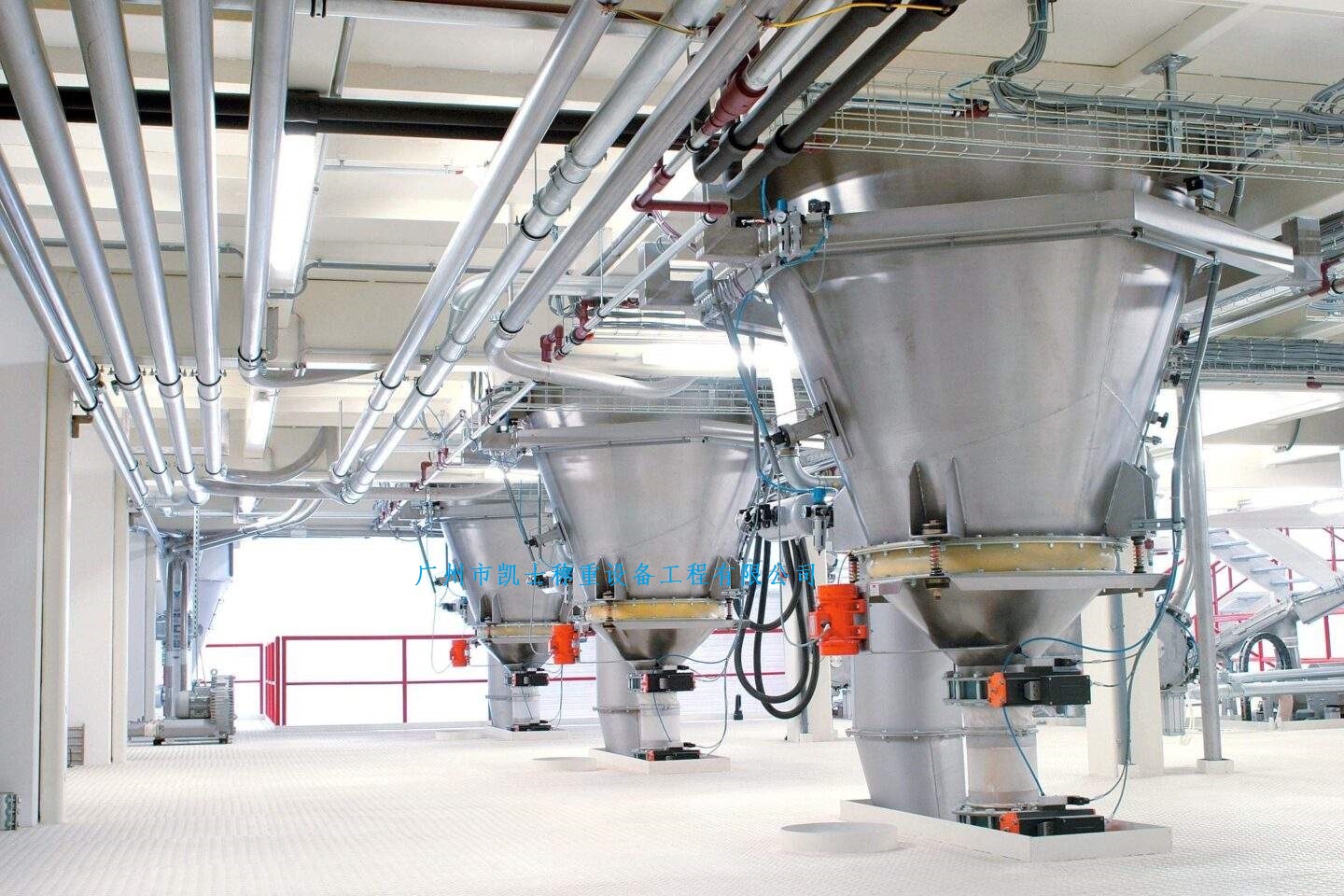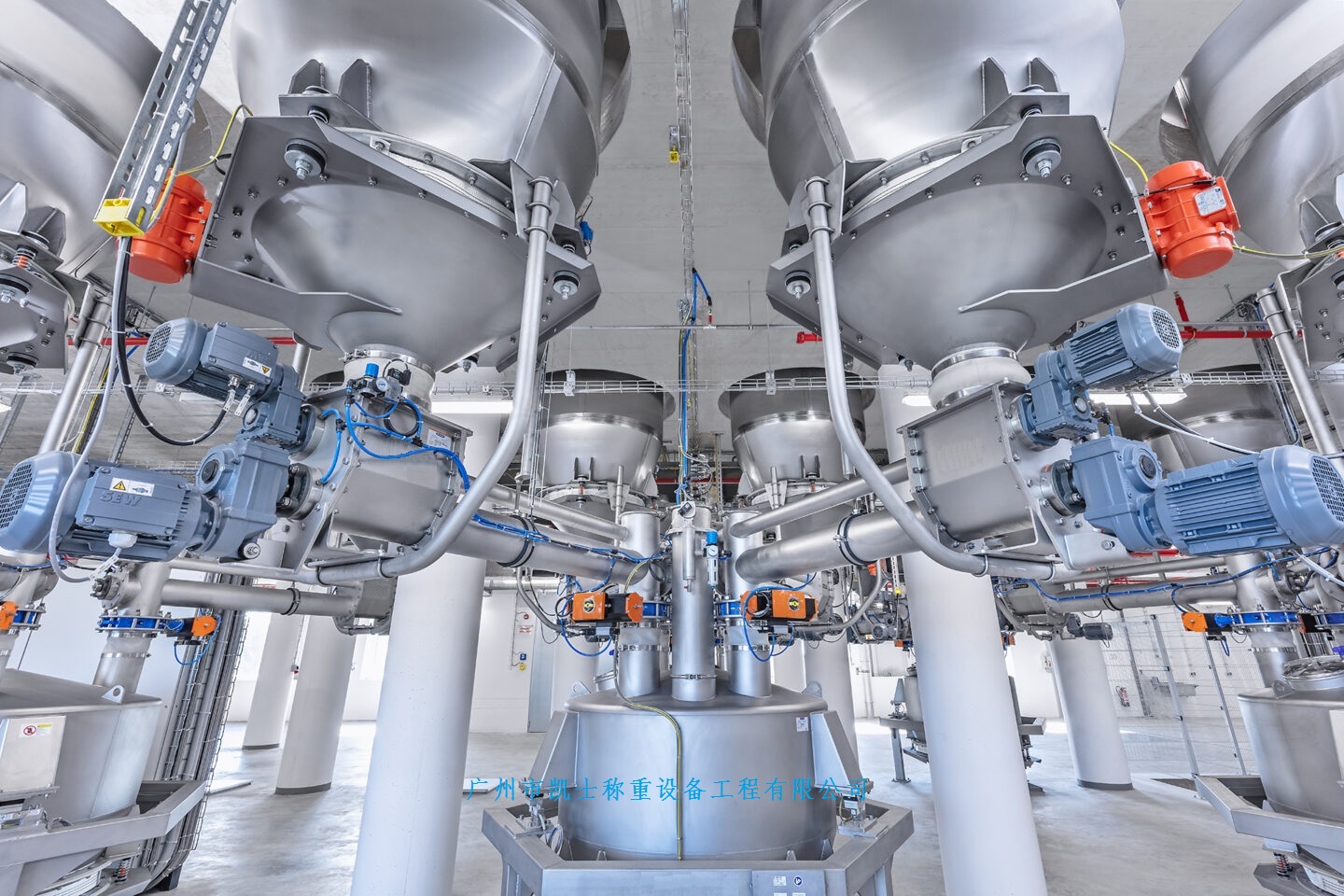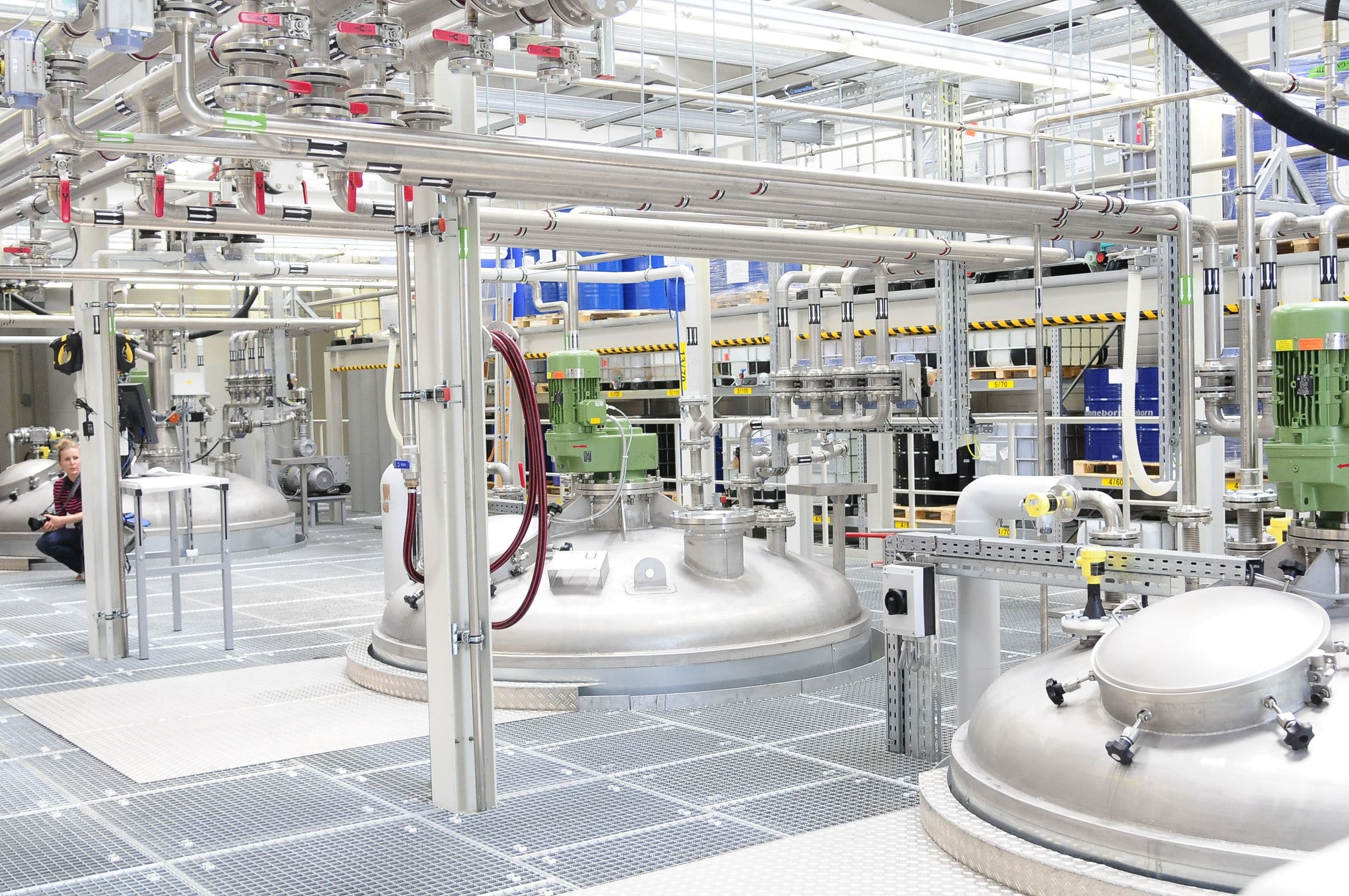




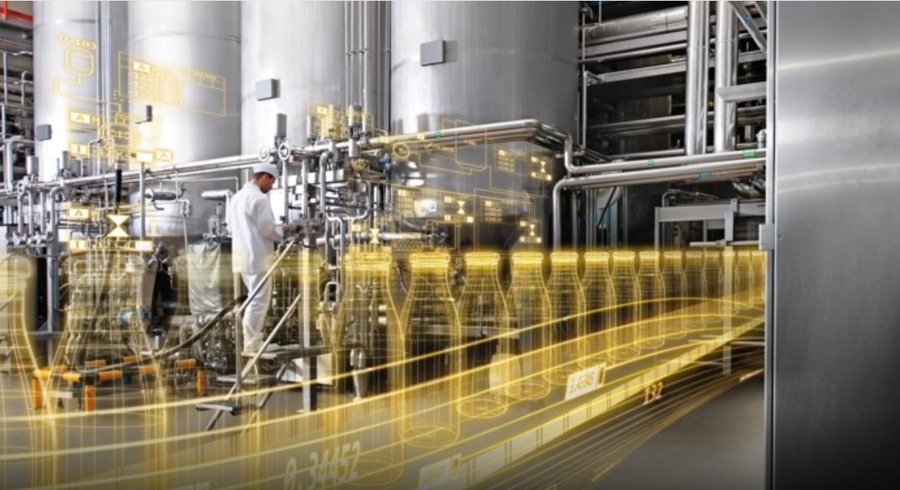
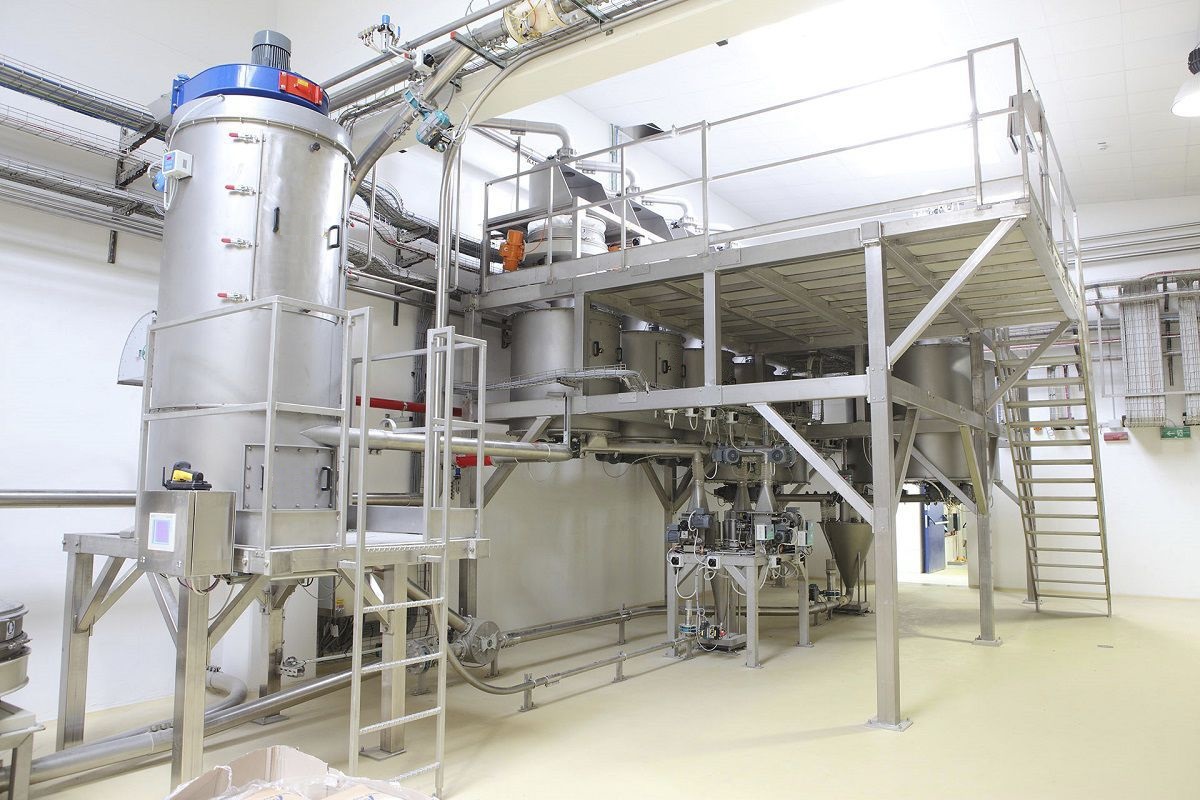
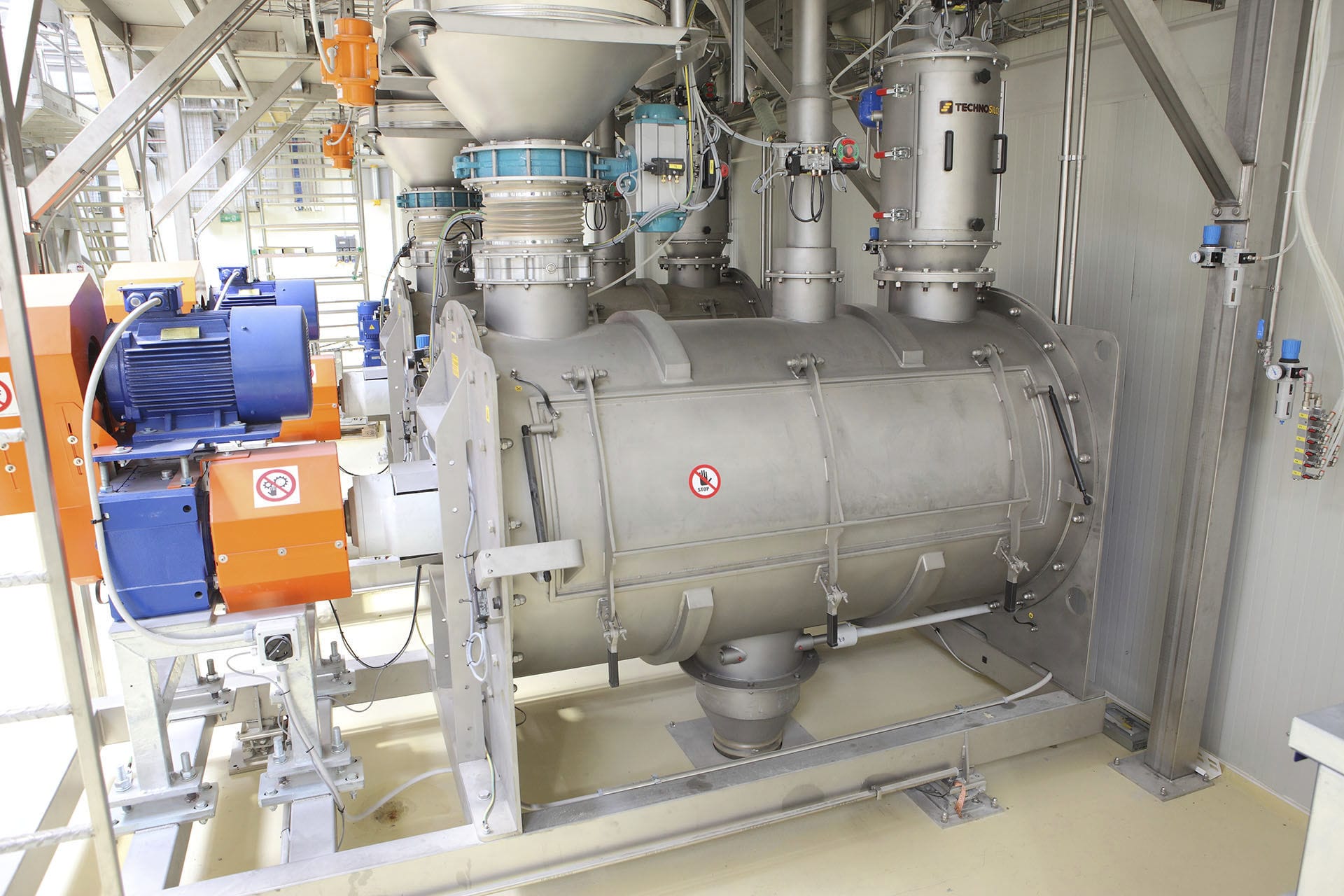
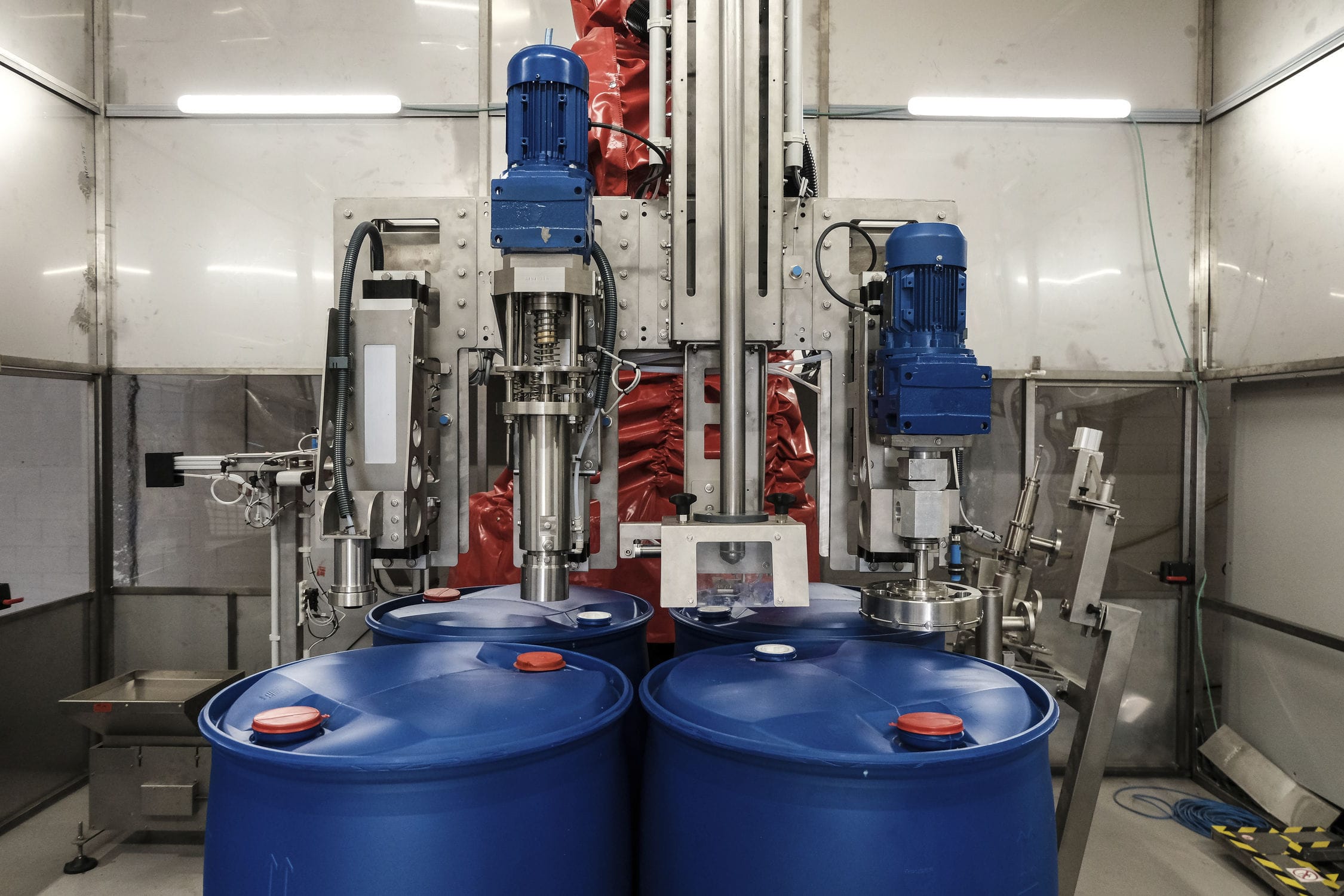
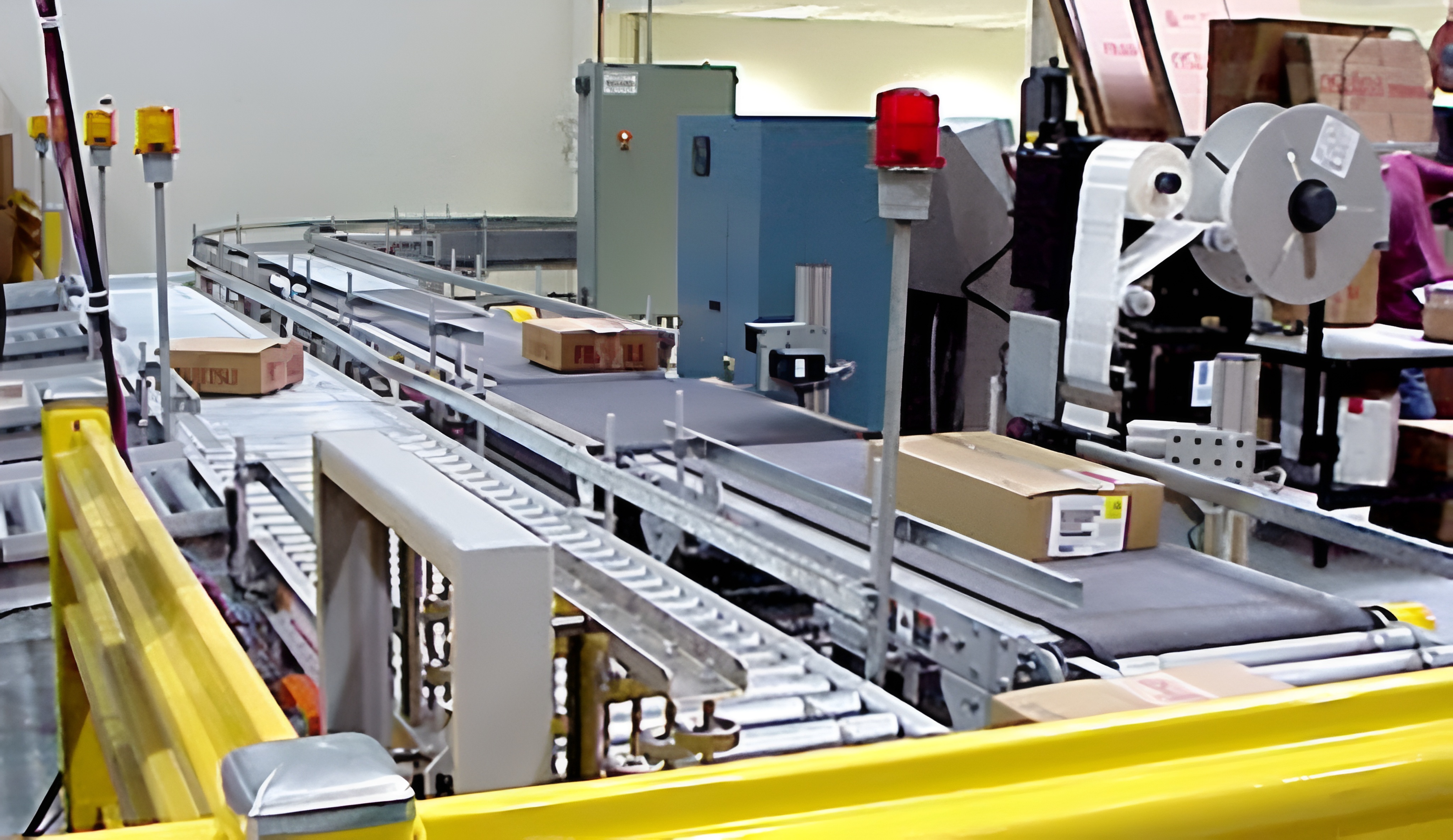


The Dust-free feeding system unpacks, conveys, weighs, disperses and feeds the raw materials, and conveys the materials from the storage tank to the target position by generating airflow with compressed air. At the same time, the feeding station completes the data exchange with the upper computer, the collection of analog signals such as weighing module and D / A module to achieve the PLC control output of the equipment, through different logic combinations can be realized in multiple speed operation, to achieve the two acceleration and deceleration time switching. According to each material raw materials in accordance with the proportion added to the dosage tank, through the frequency converter to control the circulating pump to play circulation for mixing and dosage.


 020-34563445
The weighing hopper machine adopts a feeding hopper, a hopper scale, an Electronic scale screw machine, a material trough, a magnet device, and a feeding screw machine. The upper side of the feeding screw machine is equipped with a material trough, and the electronic scale screw machine is installed on the upper side of the material trough. The hopper is set on the upper side of the vibrating hopper scale, and the hopper scale is installed on the upper side of the electronic scale screw machine. The magnet device is set at one end of the electronic scale screw machine. The material is fed through the feeding hopper and sequentially fed through the vibrating hopper scale, the electronic scale screw machine, the material trough, and the feeding screw machine. The magnet device absorbs the metal impurities in the material. The magnet device uses at least one strong magnet, which is set at the output end of the electronic scale screw machine. There is a feeding port at the bottom of the material trough, and an electronic scale is installed near the feeding port. The top of the material trough is equipped with a strong magnet. The electronic scale screw machine is wound onto the pulley, which is connected to the drive motor. The bottom side wall of the vibrating hopper is equipped with a discharge port, the top side wall of the vibrating hopper is equipped with a vibration motor, and the lower side of the discharge port is equipped with an electronic scale screw machine. The feeding screw machine is connected to the driving motor through a pulley, and the discharge port is set at the discharge end of the feeding screw machine. One end of the feeding screw machine is equipped with a control box, and the other end is equipped with a reclaimer. The drive motor, vibration motor, reclaimer, and control box are connected through wires. The bottom of the hopper scale is equipped with an inclined guide pipe, and the bottom of the guide pipe is set at the top of the feeding hopper.
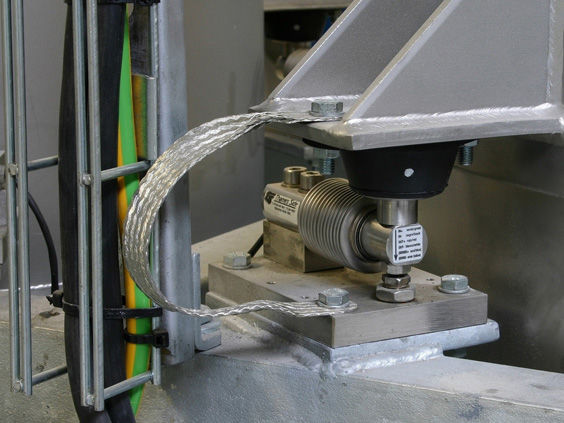
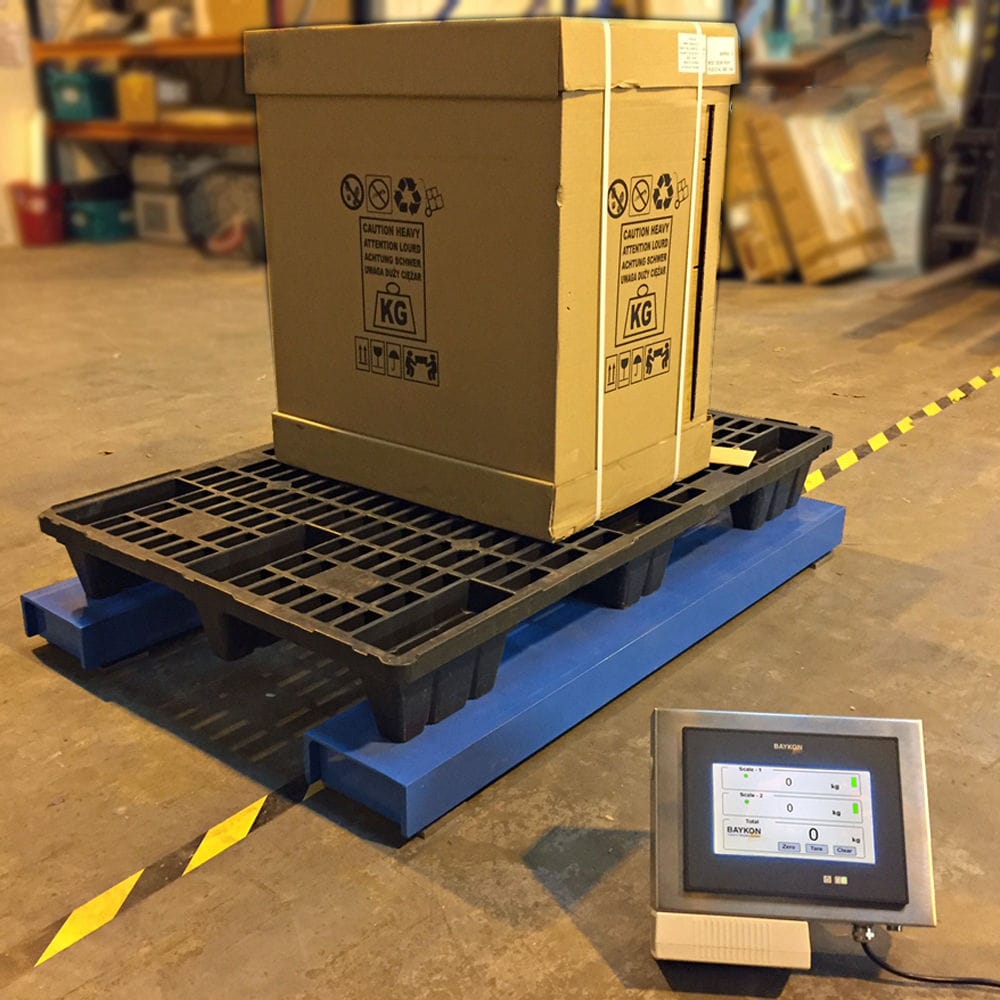
The quantitative hopper scale adopts a storage tank, a winch, a weighing frame, a hopper, a control box, and a base. The storage tank and the base are spaced apart, and a control box with an internal Weighing system unit is installed on one side of the upper end surface of the base. The weighing frame is installed on the control box, and the support frame fixes the hopper. The discharge pipe at the lower end of the hopper is aligned with the receiving bin installed on the other side of the upper end surface of the base. The upper end of the hopper is connected to the lower end of the storage tank through a winch. A crossbeam is installed on both sides of the control box, and each crossbeam is hinged between the end of the control box and the control box. A hopper scale is installed on the end of each crossbeam outside the control box, and a weighing module pressed against the bottom of the crossbeam is installed in the control box below each crossbeam The output terminal of the weighing module is connected to the weighing system unit, The weighing system unit is connected to the display unit and button unit embedded on the surface of the control box. The feeding system uses automated equipment to unpack, transport, weigh, disperse, and add raw materials, and uses compressed air to generate airflow to transport the materials from the storage box to the target location. At the same time, the feeding station completes data exchange with the upper computer, collects analog signals such as Weighing modules, and implements PLC control output of equipment through D/A modules. Through different logical combinations, it can achieve multi-stage speed operation and switch between two acceleration and deceleration times. Add the raw materials to the batching tank according to their proportions, and use a frequency converter to control the circulation pump for mixing and batching. The dust-free feeding system is a feeding system used for powdered materials. Its main working principle is to generate a certain airflow through an air compressor to transport the materials from the storage box to the target location. Its working principle mainly includes the following steps:
1. Material feeding: The material enters the dust-free feeding station through the feeding port from the storage box. The feed inlet is usually equipped with a sealing device to prevent material scattering and airflow leakage.
2. Compressed air delivery: The air compressor sends compressed air into the dust-free feeding station through an intake pipe. Compressed air mixes with the material at the feed inlet to form an air mass, which carries the material into the conveying pipeline.
3. Conveyor pipeline: Conveyor pipelines are usually made of wear-resistant and corrosion-resistant materials to ensure the safety of material transportation. The material in the air mass is rapidly propelled forward in the pipeline by the airflow.
4. Material sorting device: When the material reaches the target position, it can be dispersed to designated locations through the sorting device, such as packaging machines, mixers, etc., to achieve further processing or transportation.
5. Residual material handling: After the material is conveyed, due to the slowing down of air flow rate, it is no longer possible to continue pushing the material. At this point, the material will accumulate in the residual material container in the conveying pipeline. The material can be cleared out by cleaning the residual material container for the next feeding.