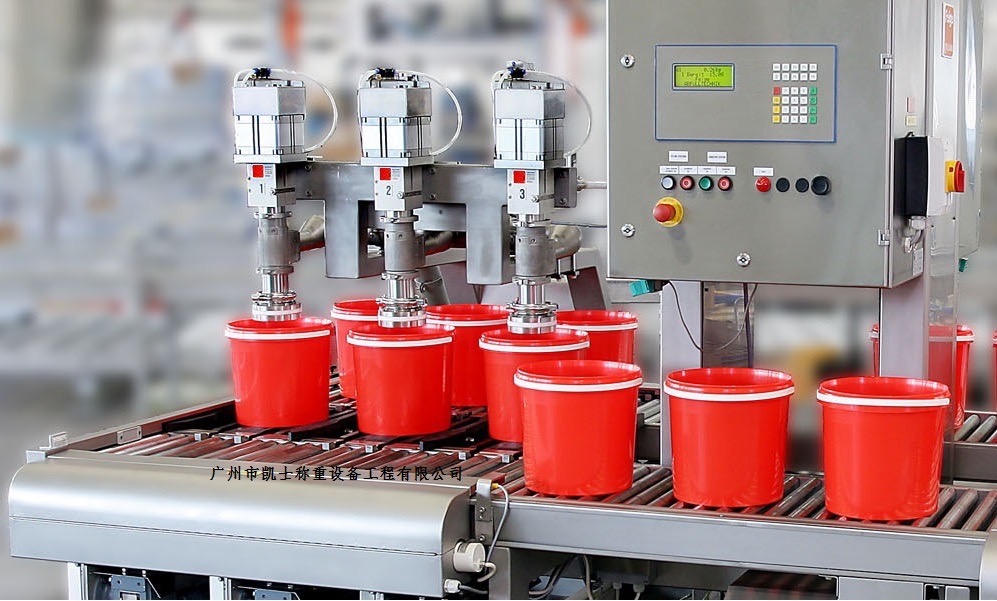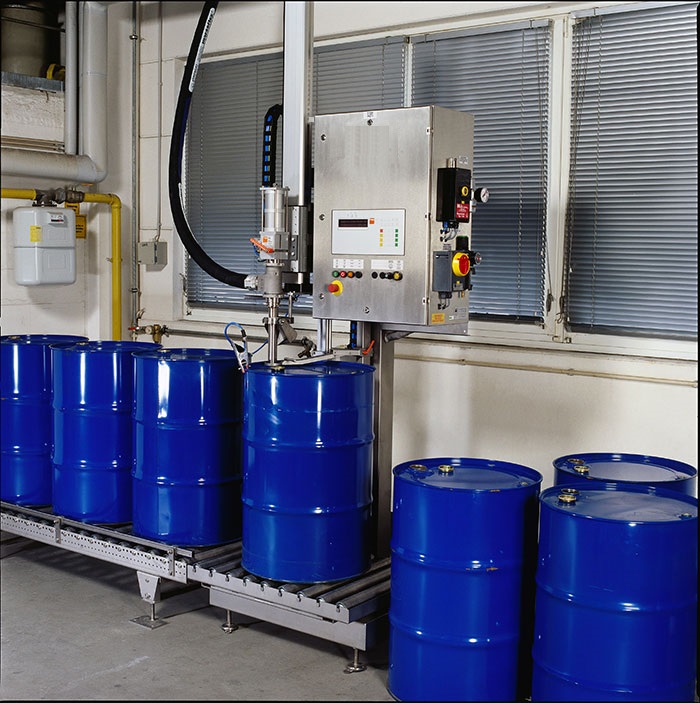


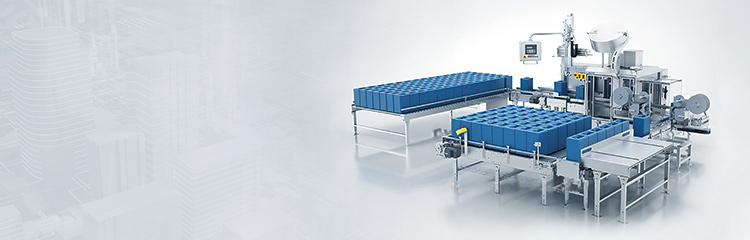


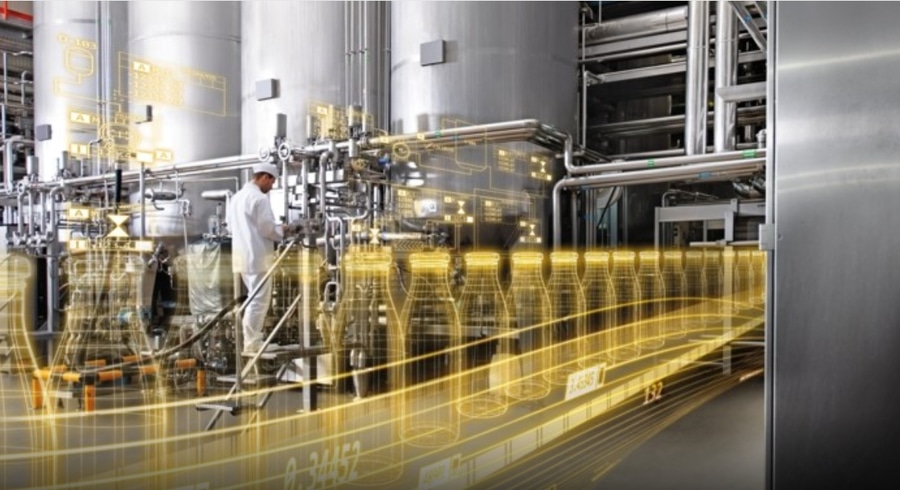
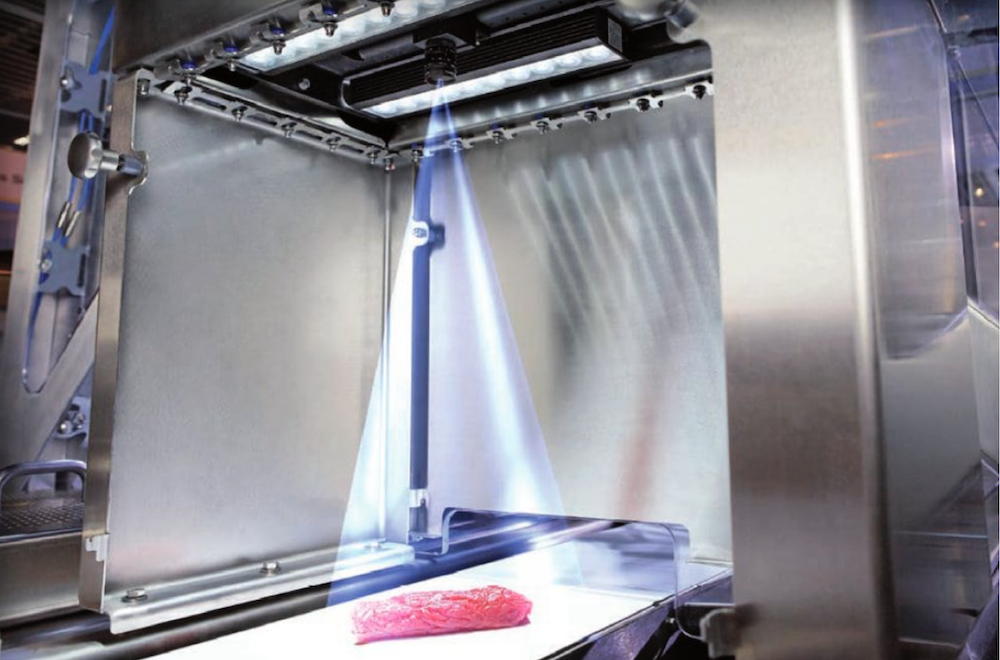


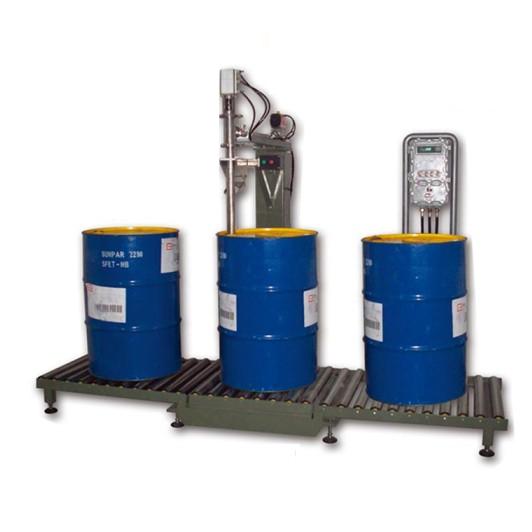
The liquid weighing type filling machine automatically controls the processes of loading into barrels, dividing into barrels, barrel positioning, weighing and filling, barrel transportation and cap pressing. It can achieve rapid and high-precision multi-station filling. The packaged barrels, which are conveyed by the conveyor chain plate and have the same specifications, are separated from each other continuously by the dividing device when entering the production line. They form a sequence of packaged barrels with certain spacing. The front and rear barriers of the machine separate the barrels in front from those behind. The two barriers alternate opening and closing at certain intervals. The rollers move to widen the spacing between the barrels, forming a sequence of filled barrels with equal spacing.

 020-34563445
The liquid Filling machine is resistant to strong acid corrosion at high concentrations. The Electronic scale allows for free setting of the target volume. The positioning of the barrels is controlled by PLC. The control system operates through processes such as barrel division, positioning, barrel dragging, and the periodic running of the roller conveyor for filling. It uses a touch screen weighing instrument to display information such as the target volume, filling volume, barrel count, and cumulative volume. It adopts insert-type filling, with a two-stage adjustable large and small material filling method. There are two filling modes: net weight and gross weight. It is equipped with a top barrel automatic protection function, which automatically lifts the gun when it is not inserted into the barrel and does not perform filling. It has a unique drip-proof and leakage-proof device to prevent the material from dripping onto the barrel and the electronic scale platform. It enables the single roller conveyor for filling to operate independently, and the lifting and lowering of the spray gun and other actions.
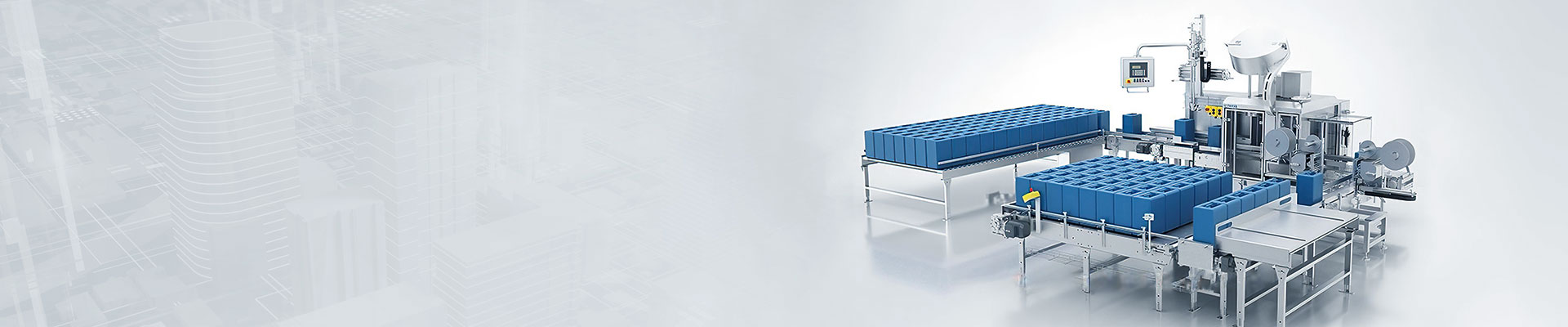
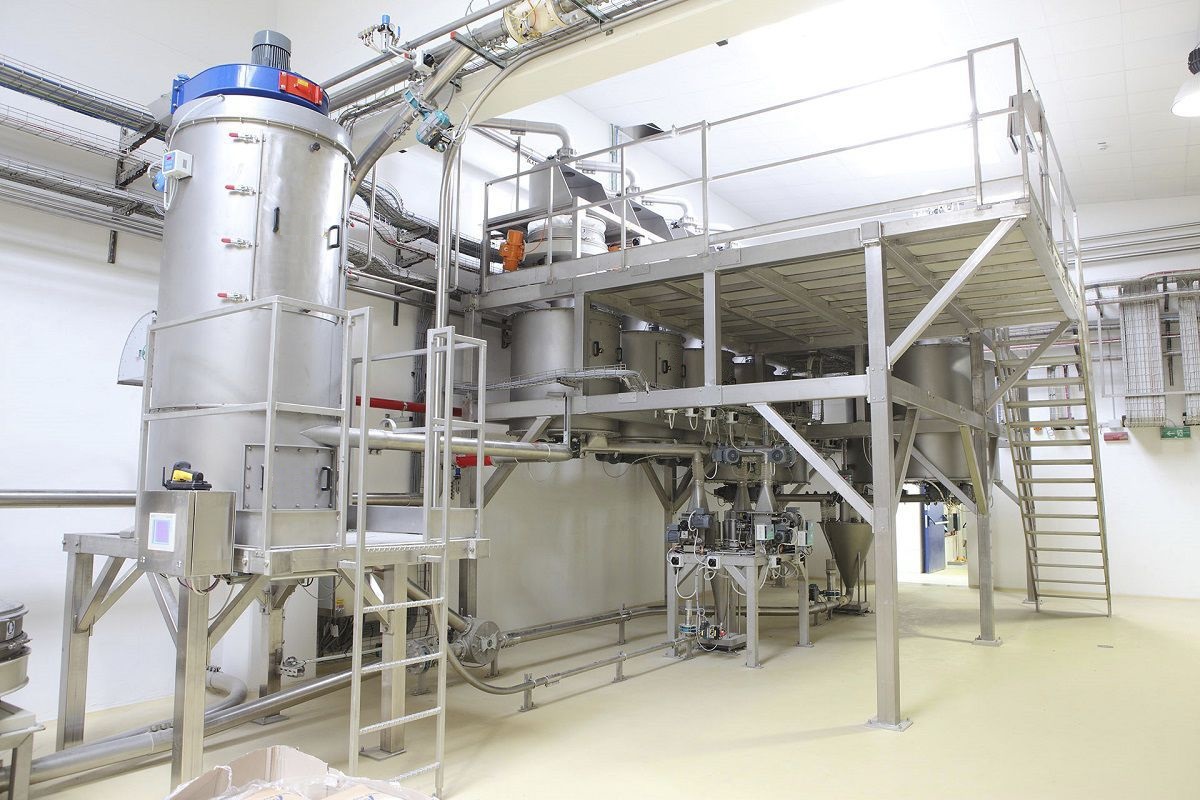
The automatic filling machine is mainly composed of a bucket divider, a buffer roller track, a bucket selector, a flow controller, a filling machine, a capping machine and an electrical control system. The electrical part consists of PLC, weighing instruments, human-machine operation interface, frequency converters, etc. It can be fully automatically controlled according to the personalized settings of users for the processes such as bucket entry, bucket division, bucket positioning, weighing filling, bucket transportation and capping, and can achieve fast and high-precision multi-station filling. The packaging buckets of the same specification conveyed by the conveyor chain plate enter the production line. At this time, the bucket divider separates the continuously adjacent buckets at a certain distance according to a certain spacing, forming a certain-spacing sequence of packaging buckets, and the two baffles in front and behind separate the front buckets from the subsequent buckets. The two baffles alternate opening and closing at a certain period, and the distance between the buckets is widened by the movement of the roller track to form an equidistant filling bucket sequence.
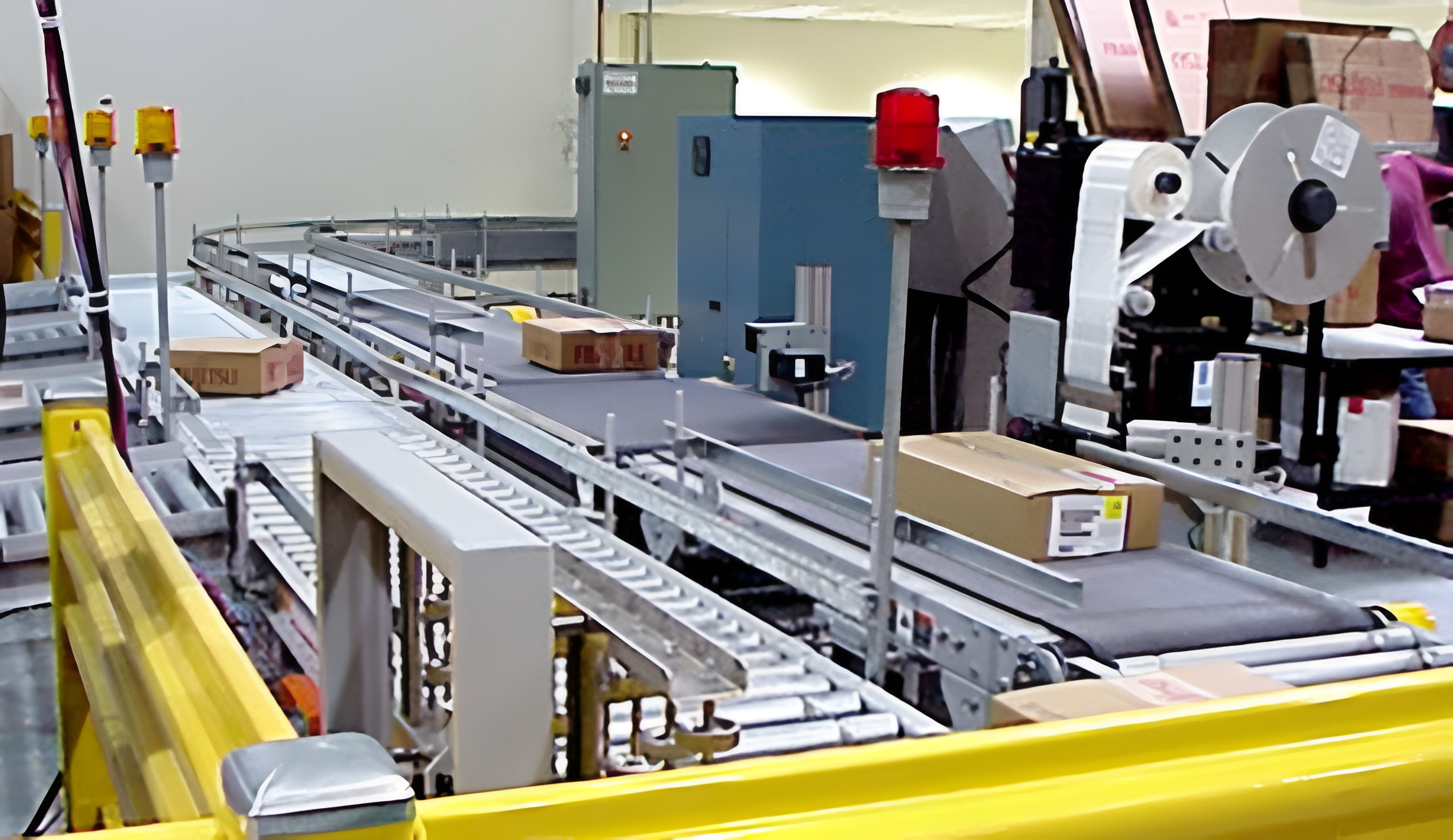
The bucket positioning device fixes a group of separated buckets at a specific position and then enters a waiting state. The position of the buckets is detected by an optical sensor, and the PLC calculates the time it takes for the buckets to reach the predetermined position. The bucket positioning cylinder is then extended to position the buckets. Once the previous filled bucket enters the filling position, the bucket conveying roller path becomes idle. At this point, the pusher beam directly pushes a group of packaged buckets onto the conveying roller path, preparing for the next filling process. On the circular chain conveyor belt, support plates are evenly installed at intervals to drive the filled buckets forward. The distance between the support plates is equal to the distance between the two spray guns, so as to control the correspondence between multiple filled buckets and multiple spray guns. The motor driving the support plates is controlled by a frequency converter to facilitate adjusting the running speed and positioning of the roller path support plates. A photoelectric sensor is fixed on the side of the roller path support plate to control the running cycle of the roller path. Properly adjusting the position of the photoelectric sensor can ensure that the bucket mouths correspond to the spray guns.
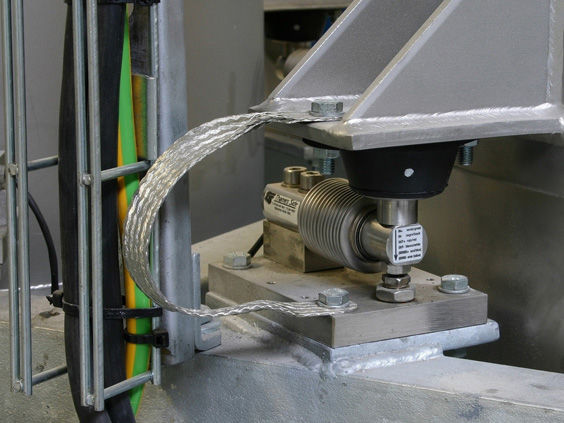
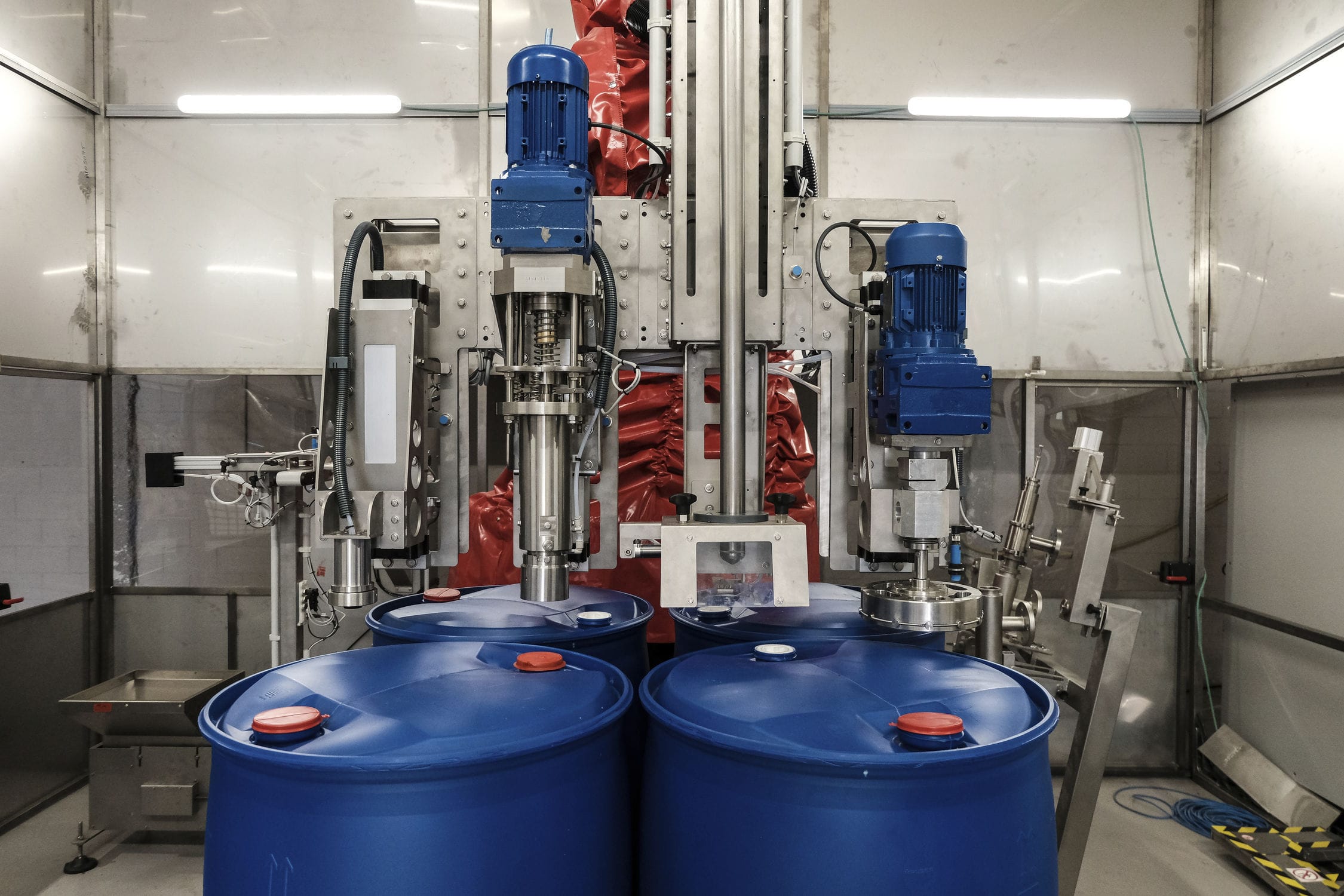
The quantitative filling machine drives multiple filled barrels on the barrel conveying belt with the help of the belt drive plates, and then transports them to multiple filling heads. Each barrel is placed on a separate scale platform. The barrel mouth positioner locates the barrel mouth, and after the spray gun descends into the barrel mouth, the barrel mouth positioner returns to its original position. The Weighing system performs a zeroing operation. Based on the set filling weight value, the weighing instrument and PLC control the fast and slow feeding processes. After the feeding is completed, the spray gun is raised to the barrel mouth, and the conveying belt drive plate transports the filled barrels to the next process. Due to the high production efficiency of the multi-station filling line, two storage bins are designed at the top of the Filling system, and the two bins are connected by pipelines. The lower part of the storage bin is connected to the filling head through a flexible pipeline, and the upper part of the bin is the feed pipeline. There is a pneumatic stop valve on the pipeline to control the feeding speed. A liquid level switch is installed in the bin. When the liquid level is lower than the low level, the material pump is started to continuously send the material to the storage bin; when the liquid level reaches the high level, the material pump is closed. The main function of the sealing machine is to use the sealing punch to press and secure the aluminum ring cover that has not been tightly sealed or tightened. It can handle up to 6 barrel covers at a time. At the entrance of the sealing machine, barrel separation and bucket handling also occur. The actions of bucket separation, barrel division, and downward pressure are controlled by an independent PLC control system, while the control of the barrel entry and exit process is carried out by the main control cabinet. The PLC of the main control cabinet generates control signals to control the start and stop of the feeding belt, thereby controlling the number of barrels fed by the sealing machine and coordinating the overall control of the filling process.