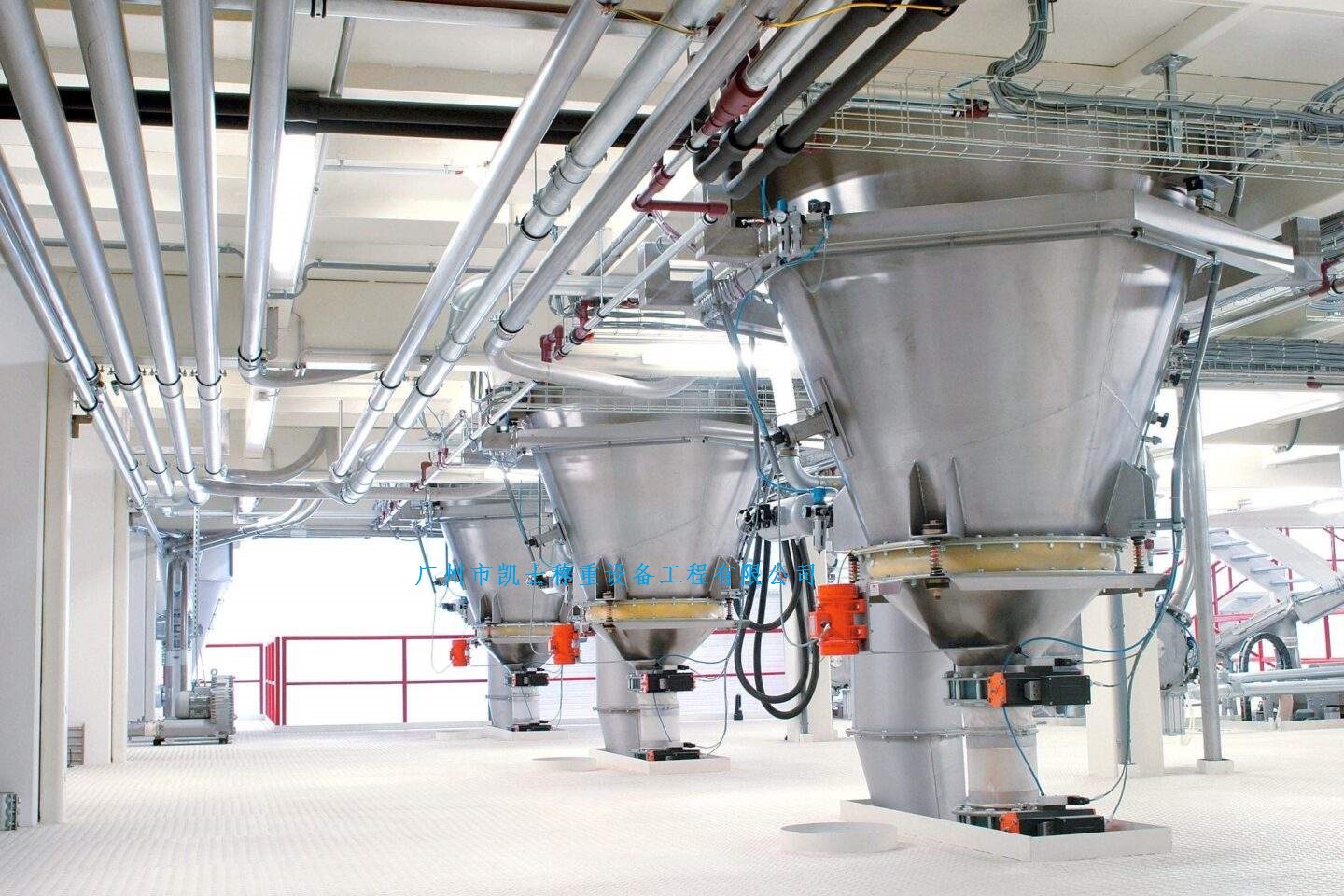


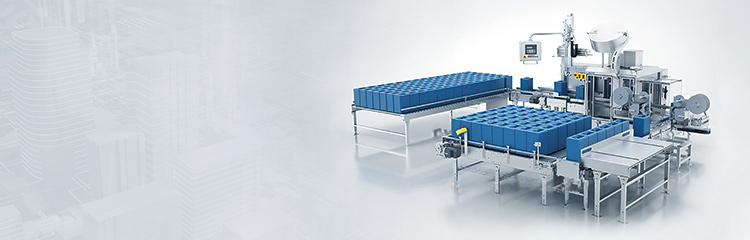


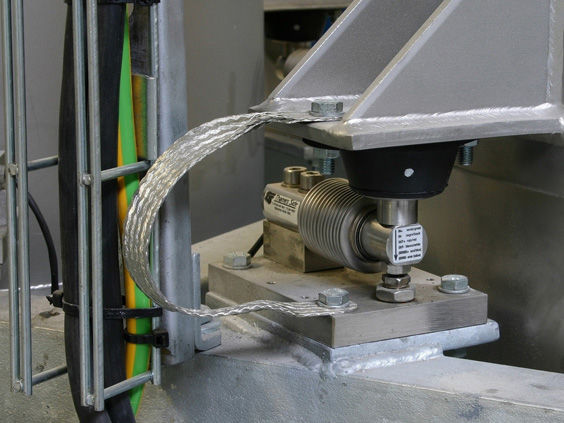
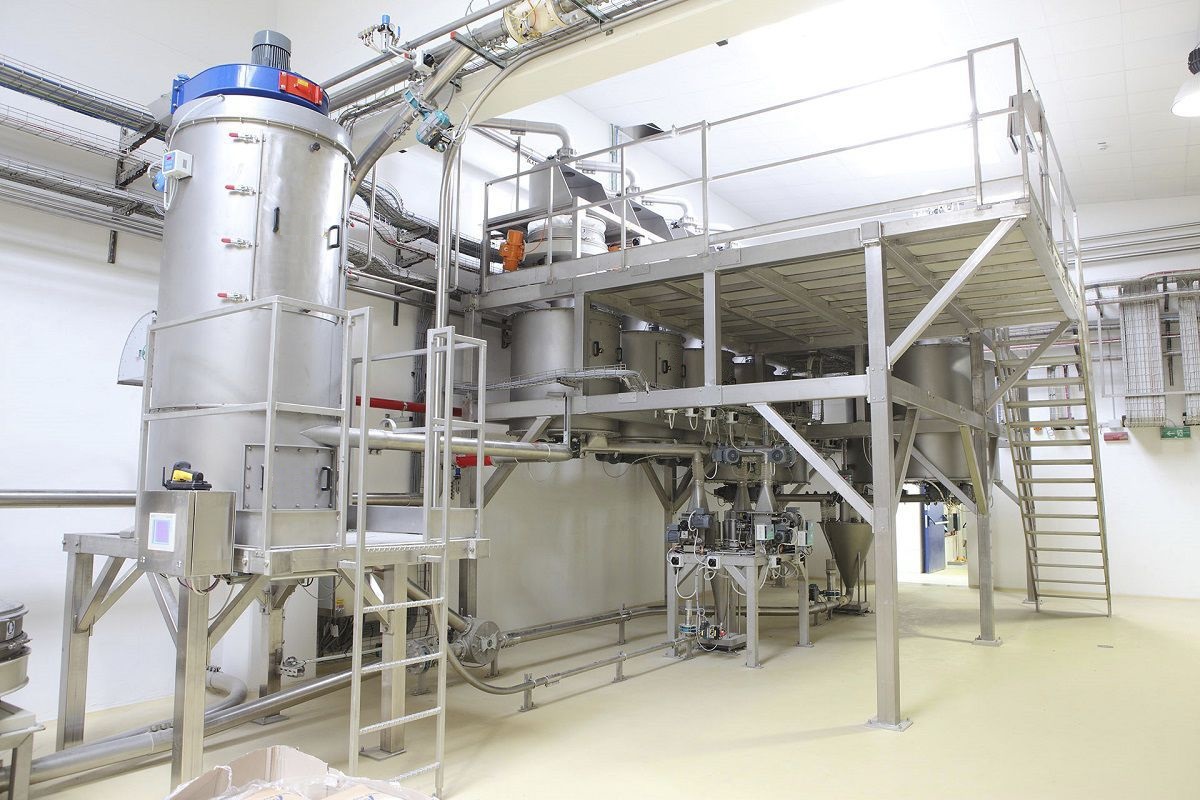


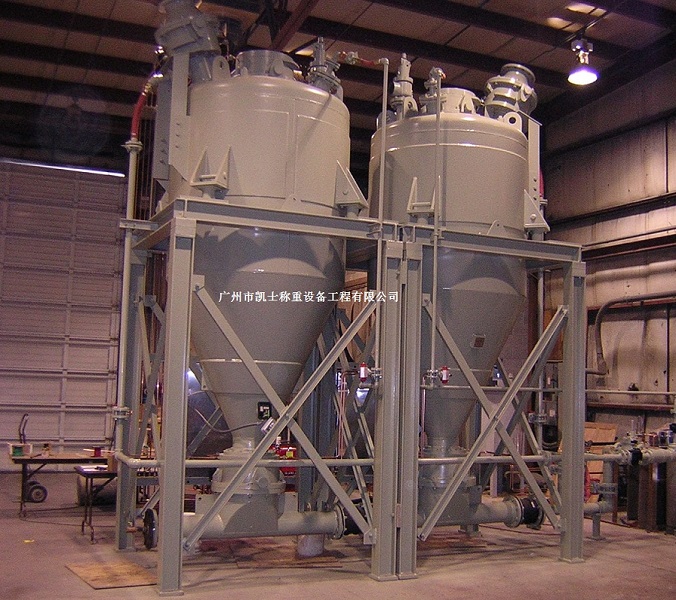
The weight reducer consists of three parts: the feed conveyor, the hopper, and the discharge conveyor. The PLC detects the state of the discharge screw. When the discharge screw is activated by other production equipment, the feed conveyor is driven by the PLC to feed materials into the weighing hopper. The hopper is supported on the weighing module. The weighing instrument transmits the weighing data through the COM port to the PLC. When the predetermined weight is reached, the PLC stops the feed screw and, after the data stabilizes, the PLC adds the weight data, along with time, record number, etc., to the memory unit and adds it to the cumulative quantity to obtain a new cumulative quantity.

 020-34563445
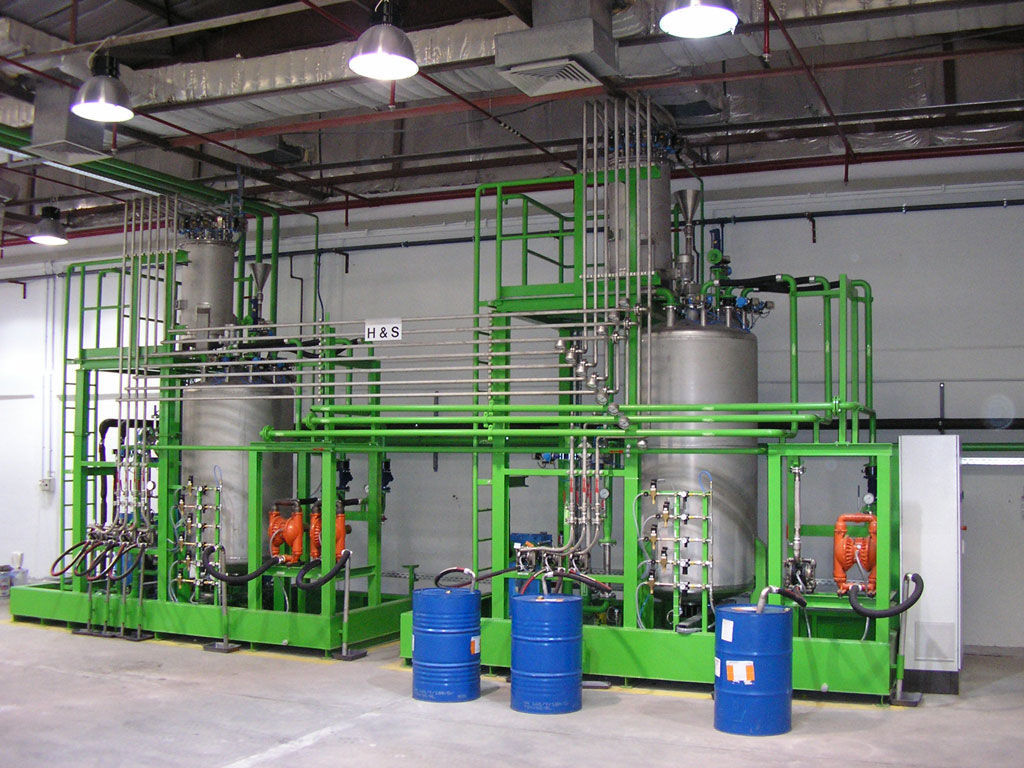
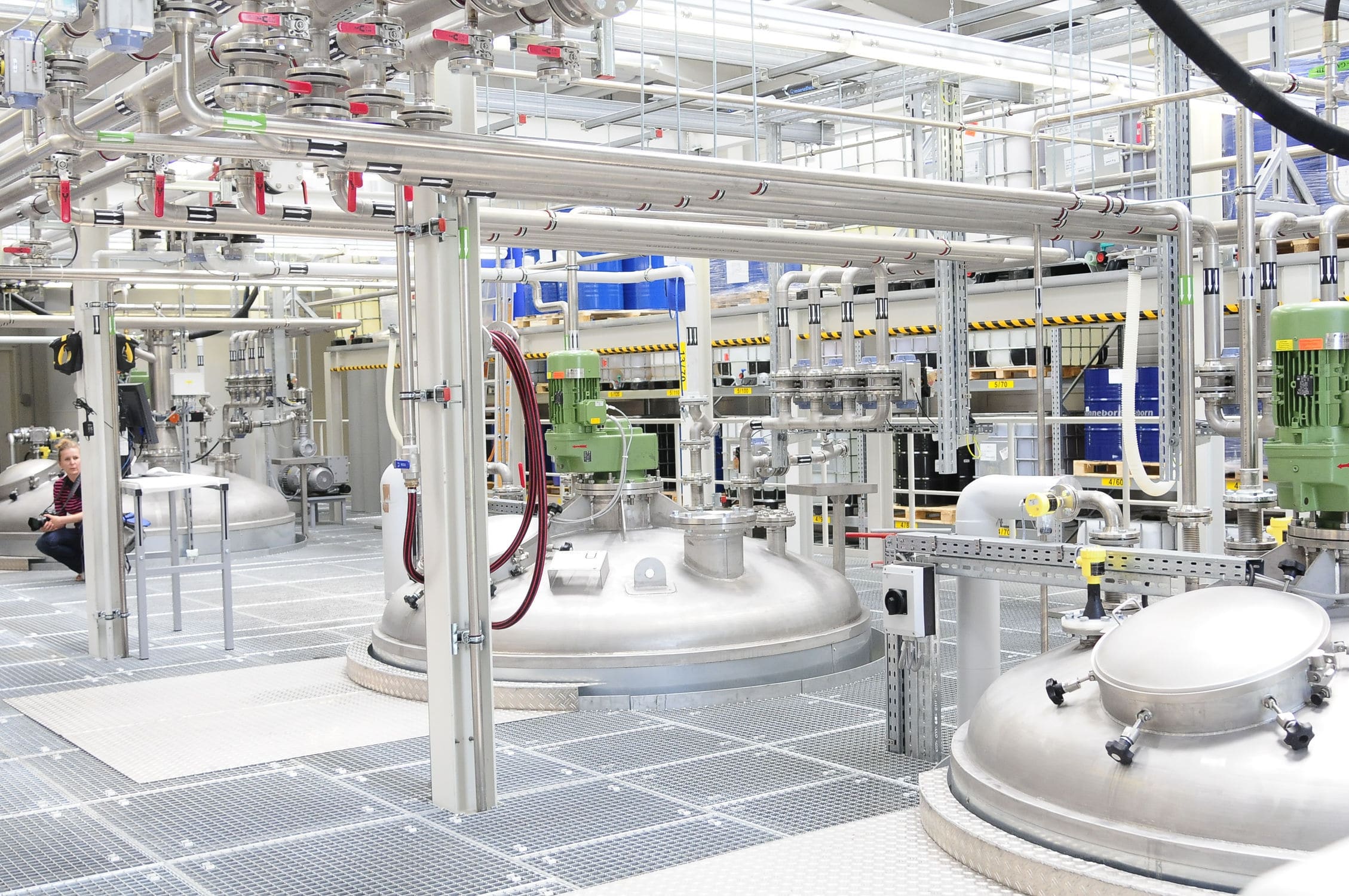
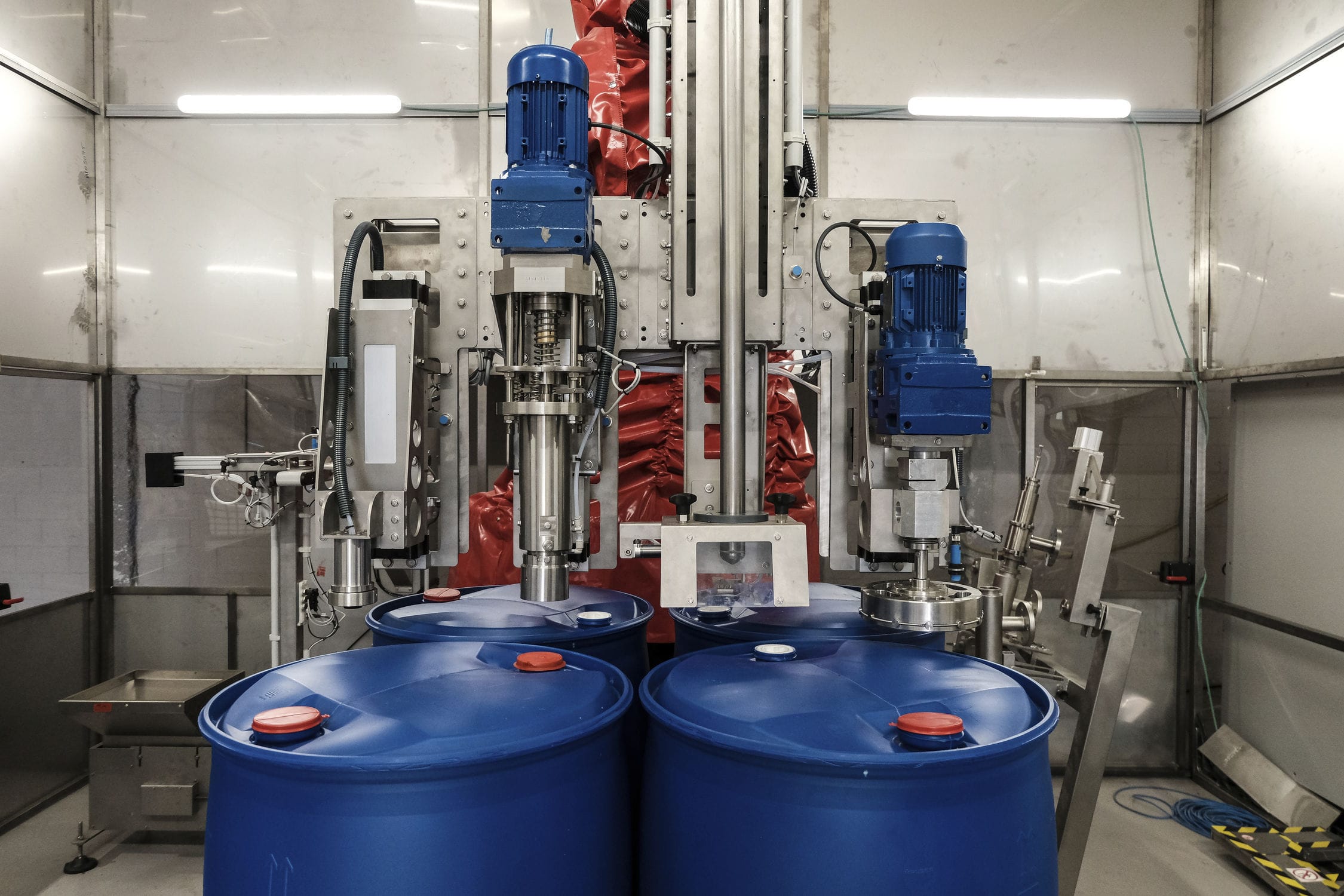
The weight control system of the volumetric scale enables the dispersion and mixing of two or more different substances with each other, achieving uniform mixing and weighing of the ingredients, and can also accelerate the heat and mass transfer processes. When the Electronic scale starts production, the PLC sends a dynamic measurement start signal to the measurement instrument, which then begins to collect and display the weights of each stage, and adopts fast feeding and slow feeding strategies at different weight stages to balance efficiency and measurement accuracy. When the target value is reached, the stop measurement signal is output, and the PLC controls to close the relevant valves and pumps of the reaction vessel. At the same time, the discharge action to the reaction tank is completed, and the measurement instrument automatically clears and resets the weight. The Weighing system starts from the raw material feeding pump and continues until the qualified material is sent to the storage tank. It includes the control and interlock of all feeding and discharging valves, the start and stop of each material feeding pump, the control of fast and slow feeding, status detection, and all data processing functions. The batching control system consists of the weighing unit, data processing unit and logic control unit. At the end of batching, the upper computer (computer) stores the actual data of this batch and can perform certain precision analysis as required, generating various reports for production statistics and management. According to user requirements, various required reports can be printed online or offline, such as the daily production output of the reaction tank, raw material consumption, raw material inventory, finished product inventory, etc.
The automatic hopper weighing system is composed of an inlet screw, weighing instrument, vibrating Feeder, PLC, touch screen and multiple control cylinders, etc. It is divided into mechanical and control two parts. It consists of three parts: the inlet conveyor, the hopper and the outlet conveyor. The PLC detects the state of the discharge screw. When the discharge screw is started by other production equipment, the inlet conveyor feeds material to the hopper under the drive of the PLC. The hopper is supported on the weighing module, and the weighing instrument transmits the weighing data through the COM port to the PLC. When the predetermined weight is reached, the PLC stops the discharge screw, and after the data stabilizes, the PLC adds the weight data, the time, the record number and other information to the memory unit and adds it to the cumulative quantity to obtain a new cumulative quantity. At the same time, it outputs the drive for printing, opens the hopper door of the Feeding machine, and the material enters the feeding machine. When the weight is lower than the set zeroing value, the hopper door is closed, and the base number is cached. In the next process, it is deducted to ensure the accuracy of the cumulative weight. One feeding process is completed.
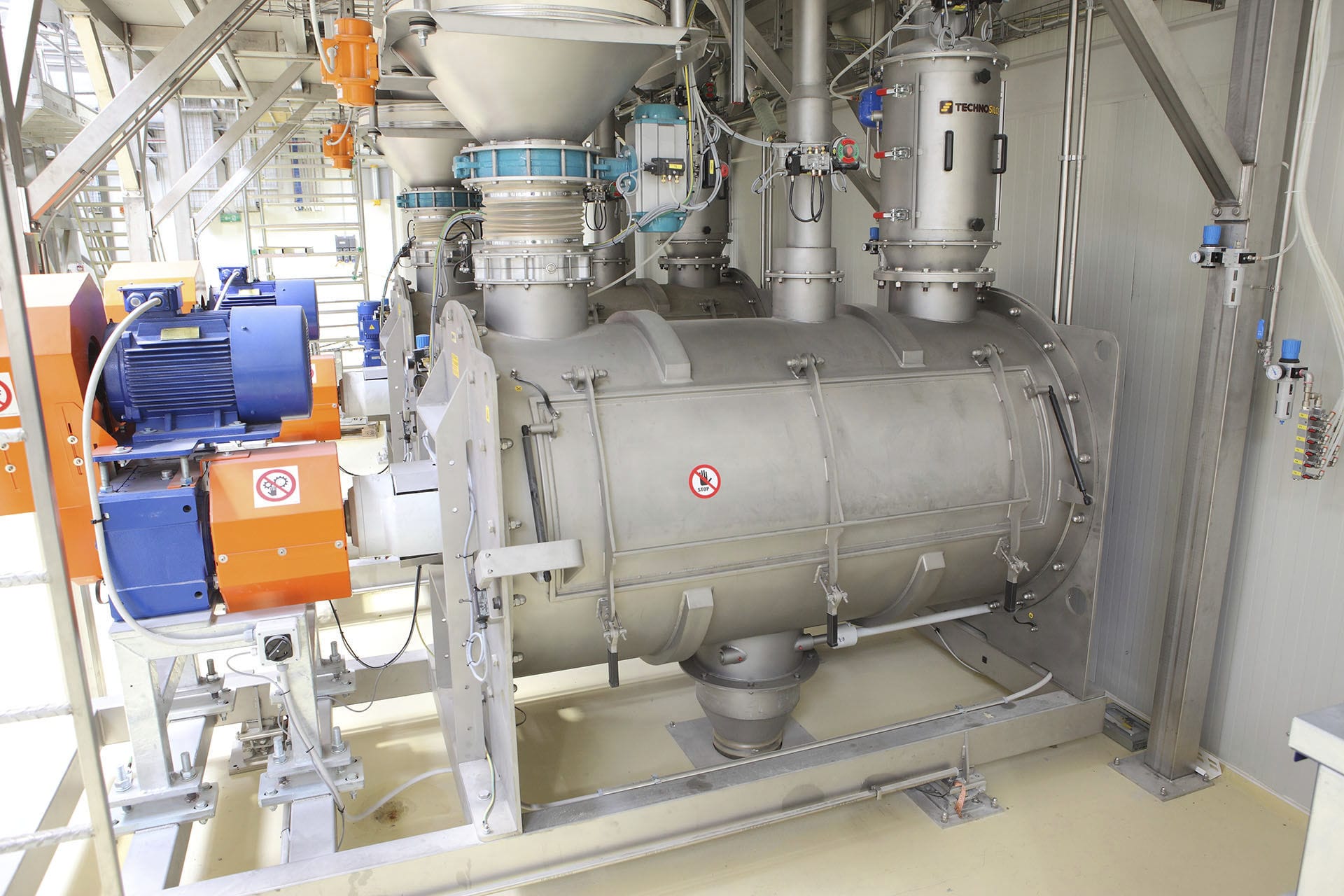
The batching and mixing control system automatically quantitatively adds two or more materials according to a certain ratio to the mixer, and automatically discharges after reaching the predetermined requirements through mixing. During the operation, the screw feeder is started first, and continuous feeding at full speed is carried out. The electronic scale conducts continuous weighing. When the weight reaches a certain value, the speed of the discharge screw begins to decrease (variable frequency speed regulation), and as the amount of material increases, the speed of the screw feeder becomes slower. When the weighing value approaches or reaches the required value and the screw feeder stops, this type of material batching is completed. The electronic scale discharge valve is opened, and the material is temporarily stored in the storage bin, and then the second material is weighed by the 2nd feeder and controlled in the same way as above for feeding, and after the weighing, it is also stored in the intermediate storage bin. The frequency converter control mainly includes automatic start-stop control and speed regulation, to achieve automatic weighing, it is necessary to realize the automatic operation of material transmission and automatic speed regulation. Automatic operation refers to the automatic start-up and operation of the motor and automatic stop, and the output signal triggers the external intermediate relay to control the main circuit operation.