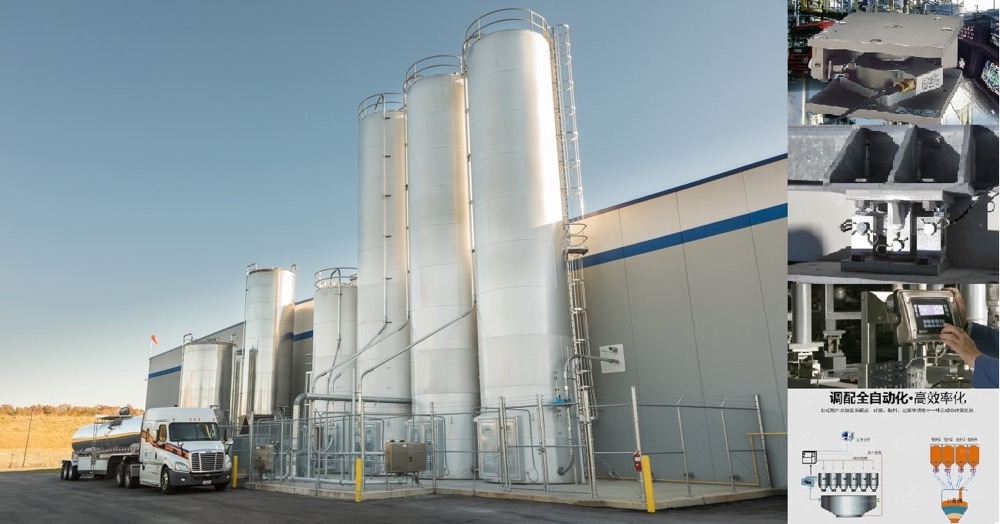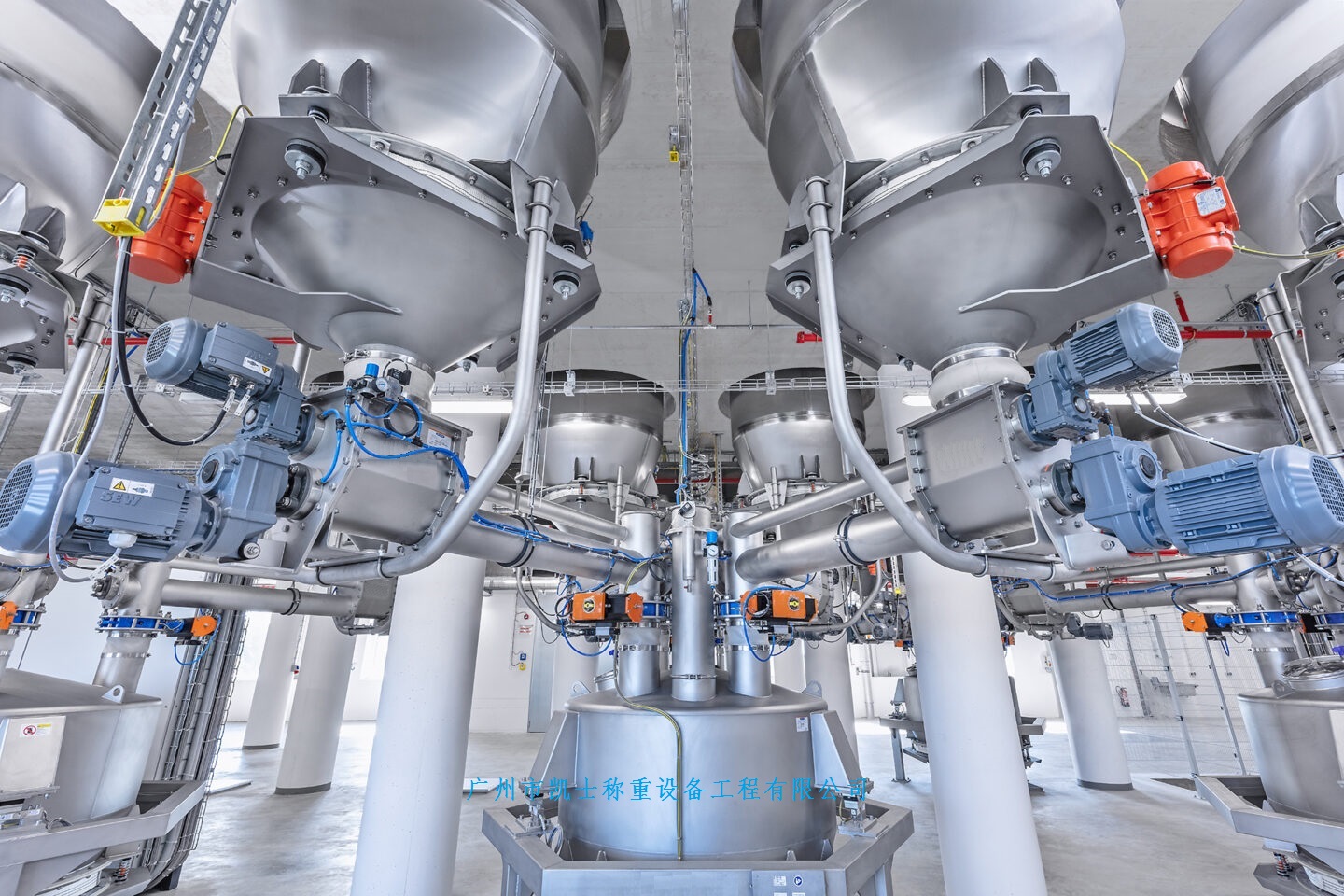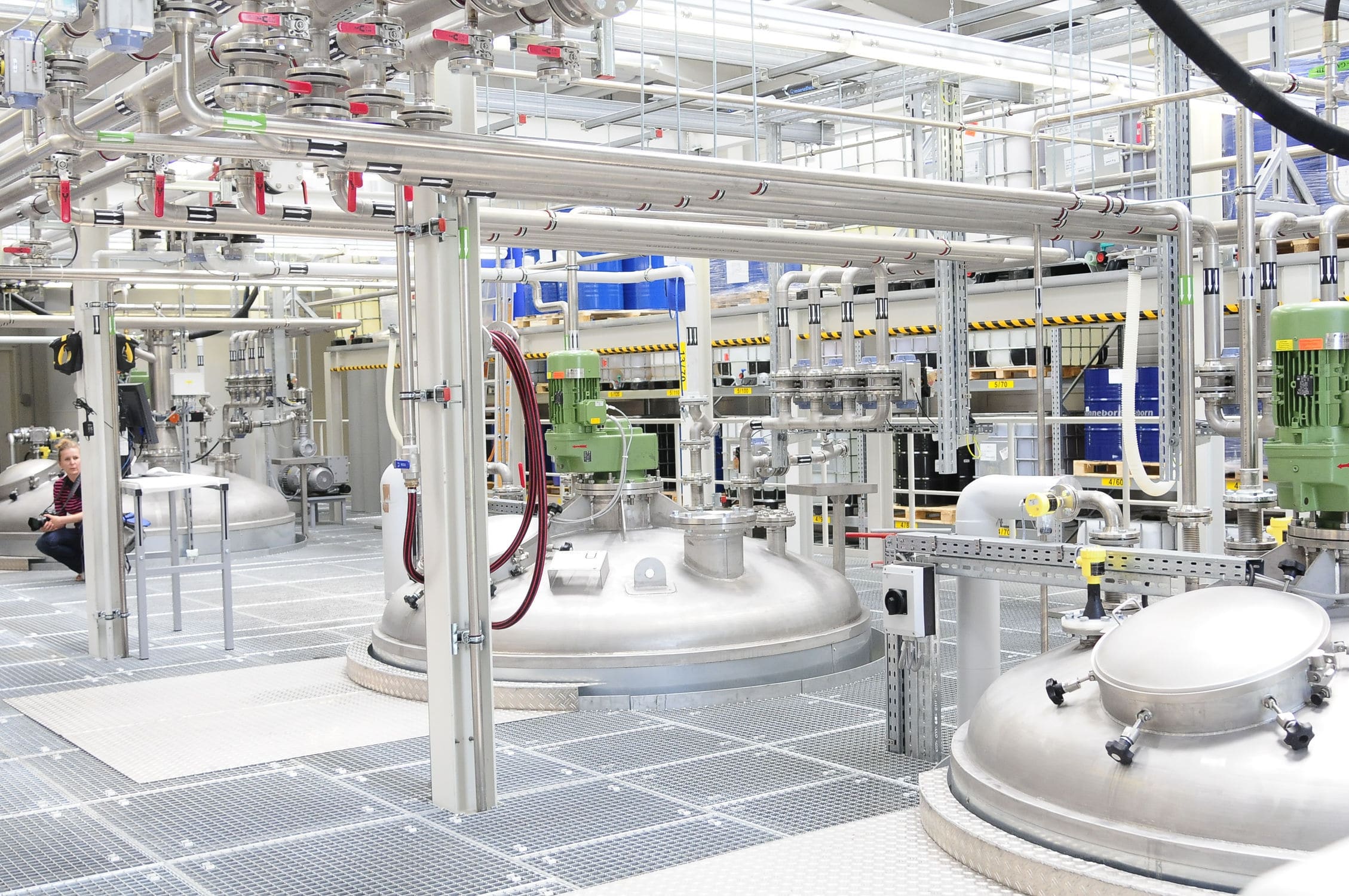


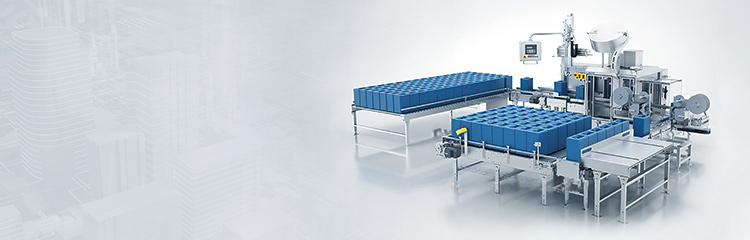


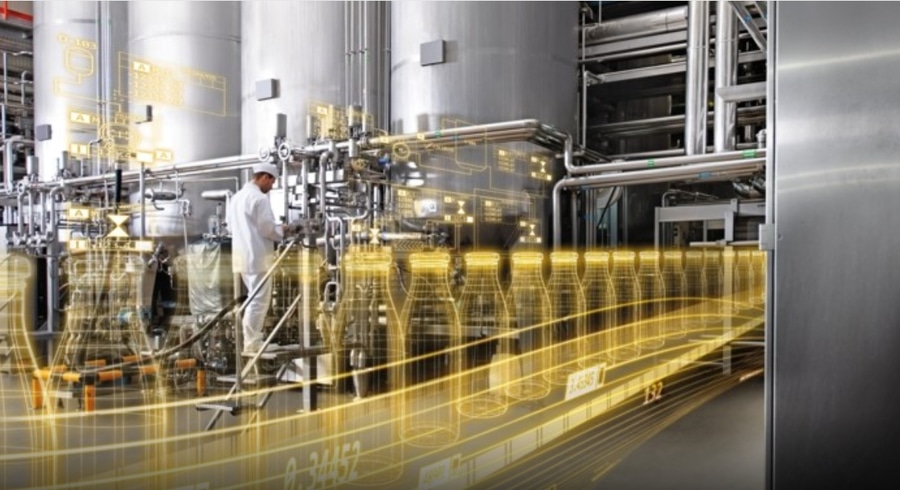
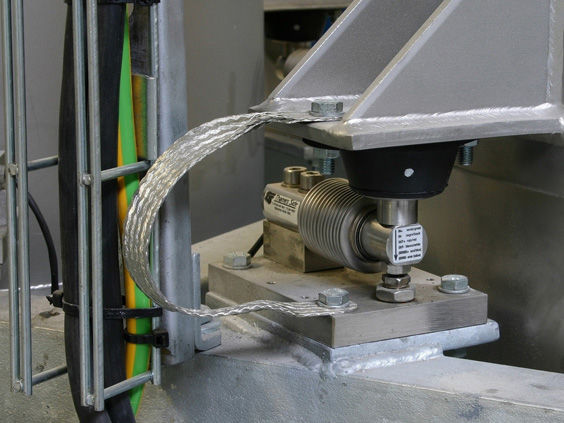
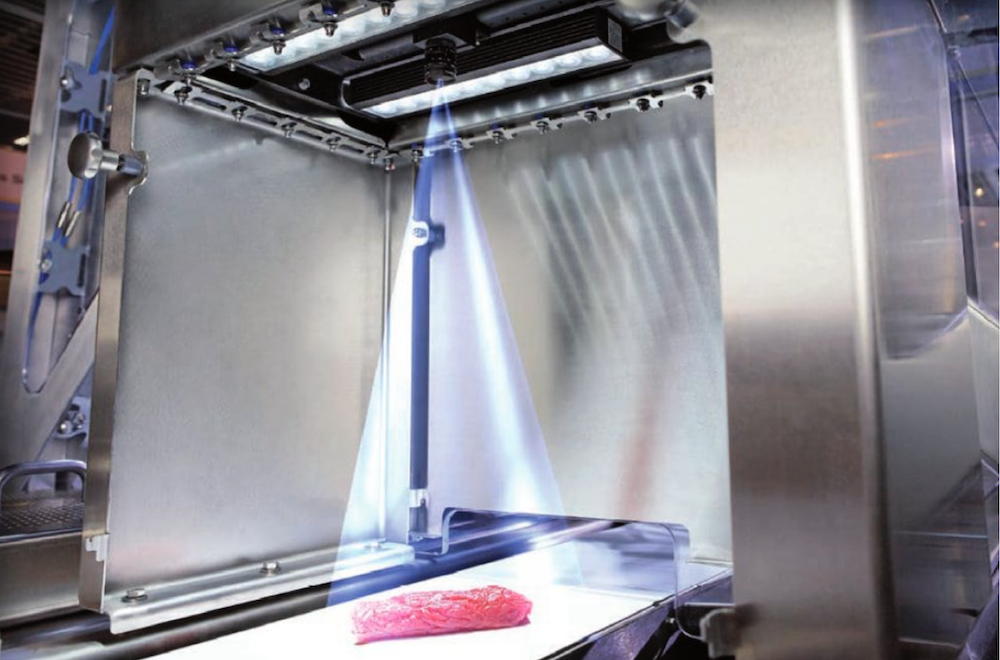
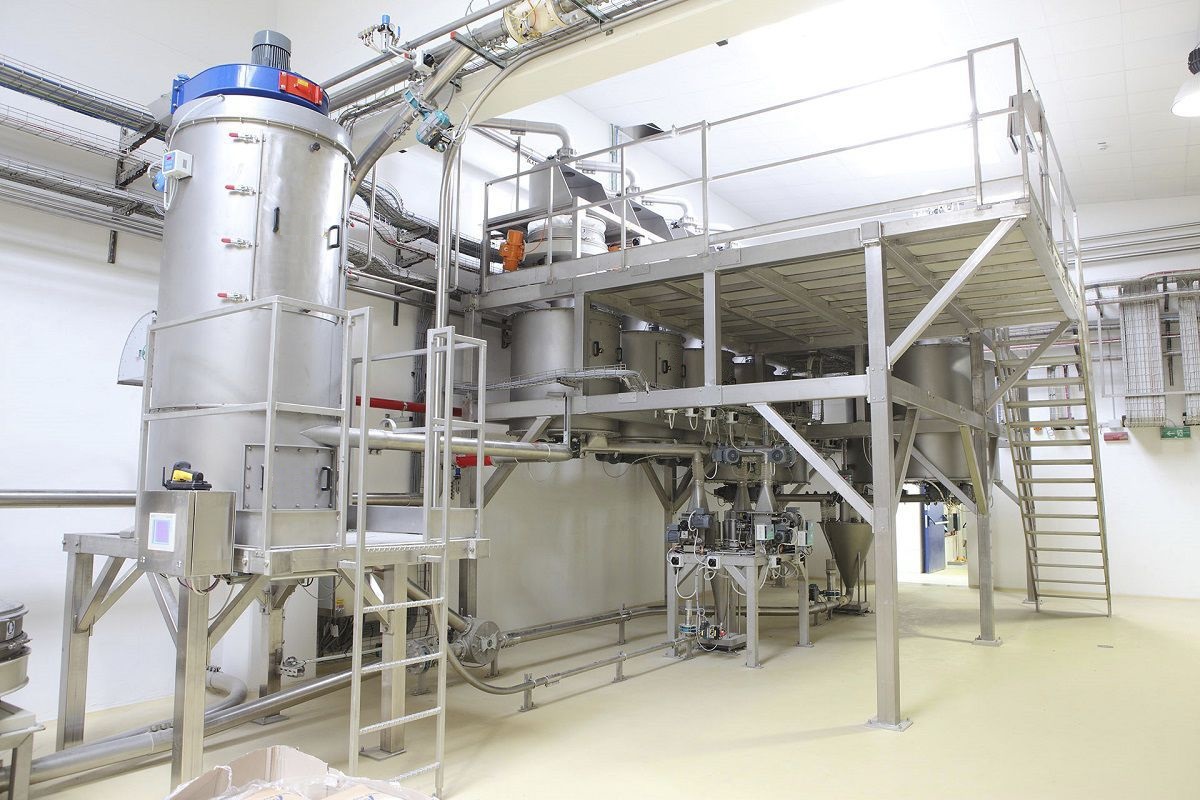
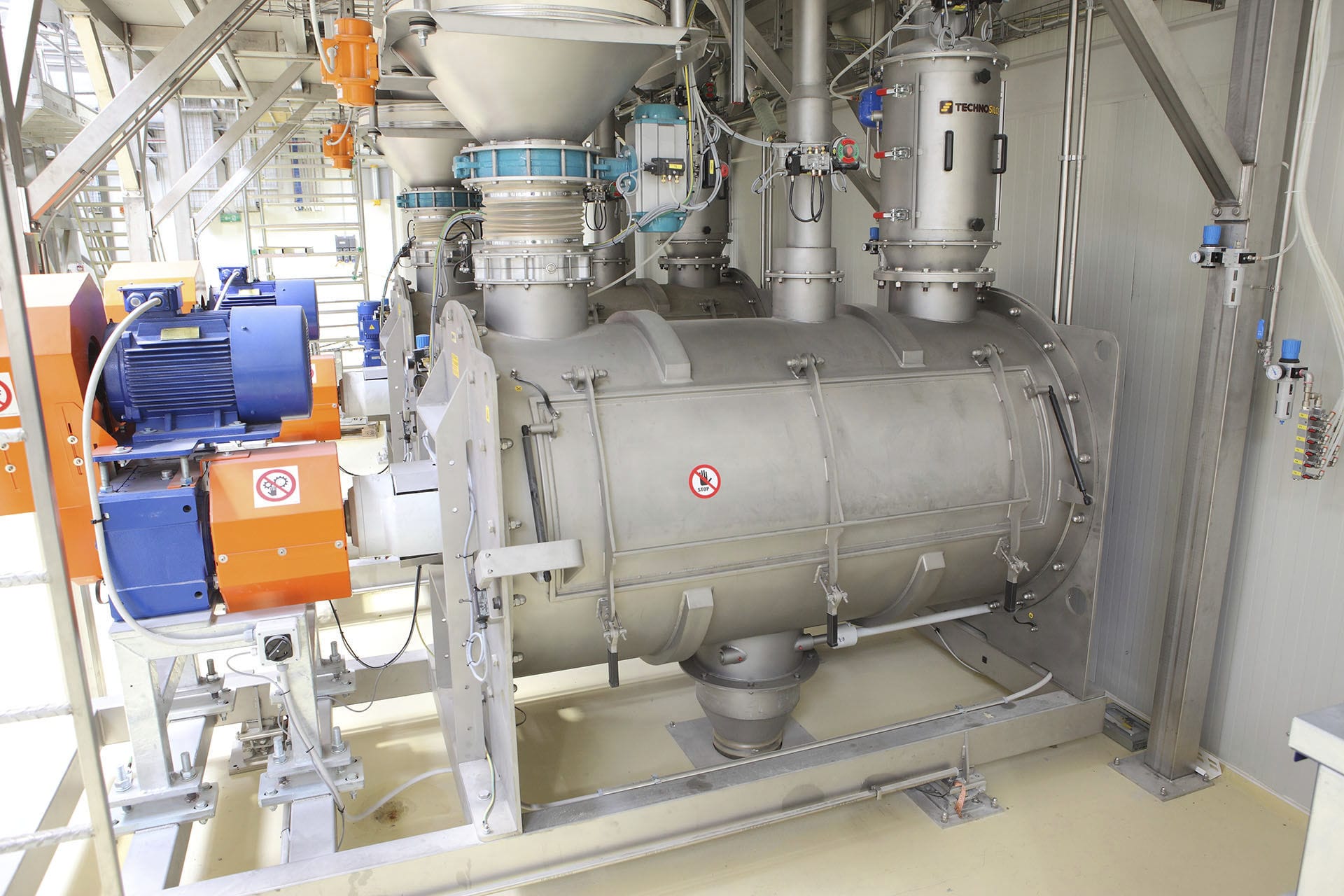
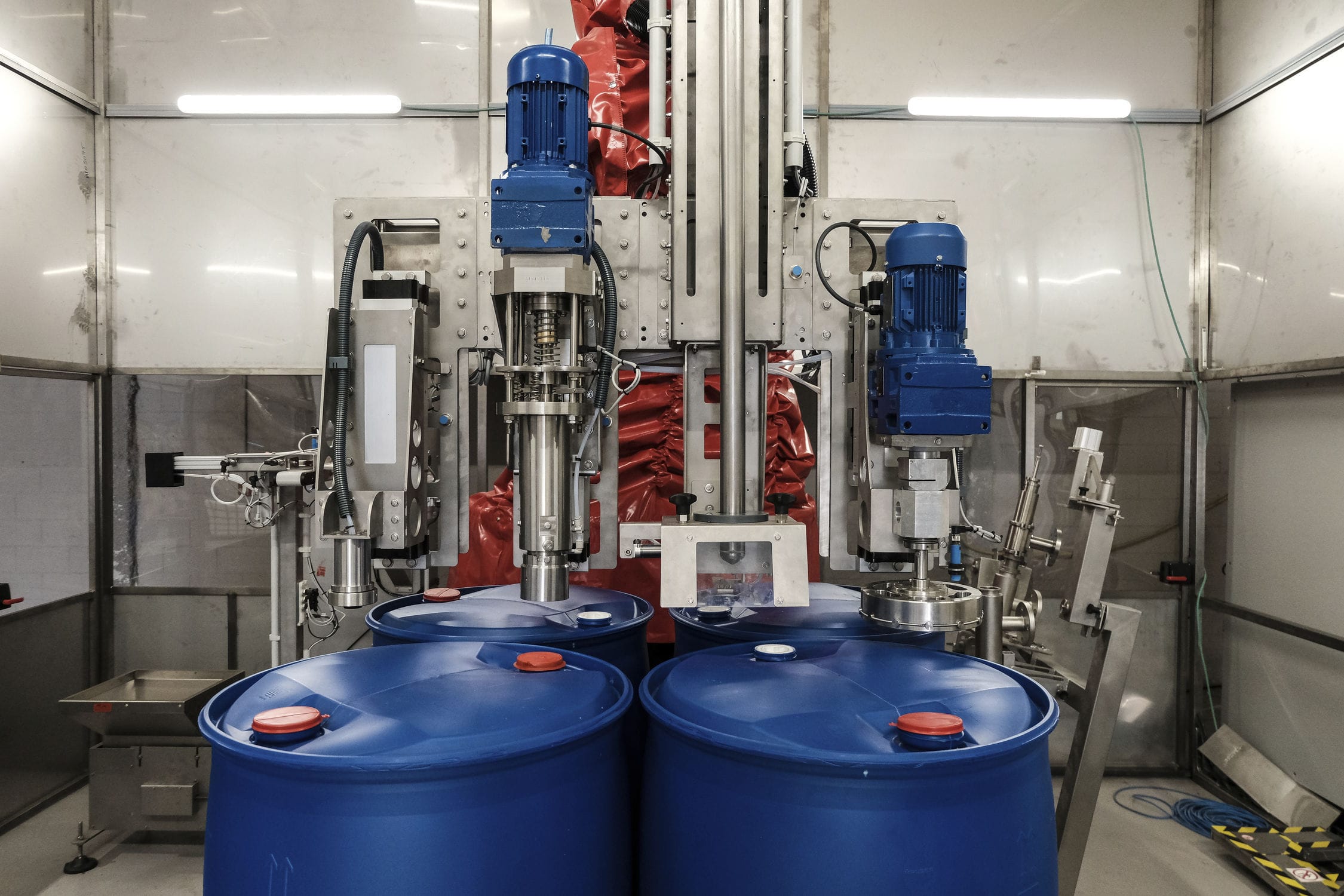
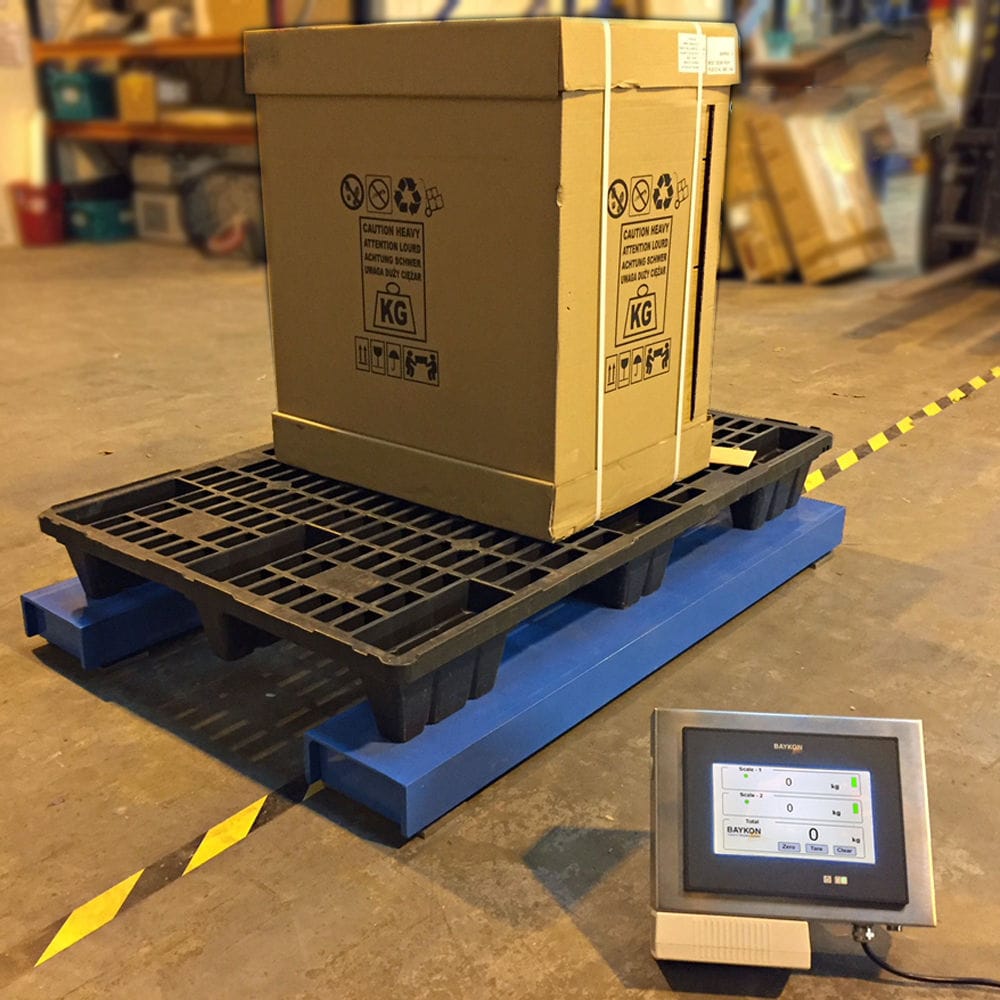


The series automatic addition system is the process in which two or more materials are automatically and quantitatively added to the mixing and stirring tank in a certain weight ratio. After the mixture meets the predetermined requirements, the materials are automatically discharged. Each agitator tank is weighed by 3 or 4 weighing modules. The electrical signal representing the weight generated by the weighing module and the weighing instrument of the agitator tank is amplified by the signal amplification module and then collected by the PLC and computer. When the preset weight is reached, the PLC drives the motor to open the pneumatic valve of the agitator tank, allowing the material to enter the agitator and simultaneously starting the agitator motor. After stirring for the specified time, open the discharge port to release the materials, and one batching process is completed.

 020-34563445
The series automatic addition system is composed of controllable sealed containers, Weighing modules, weighing instruments, PLC control systems, stirring tanks, etc. The CPU226 of Siemens PLC is used as the control center. On the system hardware platform, the voltage value signal of the drug weight change is collected by the weighing module. After being converted by the signal amplification module and the A/D module, it reaches the weighing instrument through serial communication. The data is read and processed according to the serial communication protocol and displayed on the PC interface, thereby achieving the purpose of monitoring.
The automatic addition system is the process in which two or more materials are automatically and quantitatively added to the mixing and stirring tank in a certain weight ratio. After the mixture meets the predetermined requirements, the materials are automatically discharged. Each agitator tank is weighed by 3 or 4 weighing modules. The electrical signal representing the weight generated by the weighing module and the weighing instrument of the agitator tank is amplified by the signal amplification module and then collected by the PLC and computer. When the preset weight is reached, the PLC drives the motor to open the pneumatic valve of the agitator tank, allowing the material to enter the agitator and simultaneously starting the agitator motor. After stirring for the specified time, open the discharge port to release the materials, and one batching process is completed. When mixing and batching are required, the PLC activates the pneumatic valve of the feeding valve to add the required materials to the mixing tank in sequence according to a certain proportion. At the same time, the PLC monitors the pulse signal sent by the liquid level gauge to determine the position of the materials in the batching tank, thereby controlling the on-off of the pneumatic valve of the feeding valve. After the feeding is completed, the PLC starts the stirring motor according to the preset mixing delay time to ensure that the materials are thoroughly stirred in the stirring tank and complete the mixing operation. Then it enters the discharging and pressing stage. The PLC controls the pneumatic valve of the discharging valve to act, discharging the materials from the mixing tank and pressing them into the storage tank, completing one cycle of automatic feeding control process flow.
The automatic addition system controls the addition of a certain amount of 95℃ water that has been boiled in the water tank into the stirring tank through the solenoid valve and the weighing module. Put a certain amount of solid reagent into the stirring tank. Start the mixer for timed stirring. After the set time is reached, cold water is added, and the on and off are controlled by alternating cold and hot water. Real-time measurement is carried out using a Pt100 thermal resistor and transmitter to keep the temperature at 40℃. When the liquid level of the reagent reaches the set value of the level gauge, the water supply will automatically stop and the timed stirring will continue. At this time, the concentration of the reagent is 2%(determined by the given solid reagent and a certain amount of water). When the timing is up, the stirring will automatically stop, the discharge valve will automatically open, and the reagent will be conveyed to the high-level reagent tank by the reagent pump. After the discharge is completed, it will automatically close.
The addition system is controlled by PLC for the Weighing system, quantitatively controlling the start/stop of the liquid preparation system. The weighing sensor controls the start/stop of the liquid valve, motor, liquid supply pump, transfer valve and stirring motor. The upper and lower limit liquid levels of the liquid level sensor control the opening and closing of the liquid addition valve, the middle liquid level controls the start of the stirring motor, and the lower limit liquid level also controls the opening and closing of the transfer valve (the transfer valve closes when the liquid level is lower than the lower limit liquid level).
The addition system is jointly controlled by a liquid level sensor, a turbidity sensor and a frequency converter to regulate the addition process. The liquid level sensor in the material tank controls the opening/closing of the transfer valve and the start/stop of the frequency converter. Among them, the upper liquid level controls the closing of the transfer valve, the middle liquid level controls the opening of the transfer valve, and the lower liquid level controls the stop of the discharge pump. A turbidity sensor consists of a turbidity sensor and a turbidity and solid suspended matter meter. The turbidity sensor measures the concentration of the sludge liquid, which is then converted into a 4-20mA current signal by the turbidity and solid suspended matter meter. Two frequency converters control the rotational speed of the discharge pump based on the feedback signals from the turbidity and solid suspended matter meters.
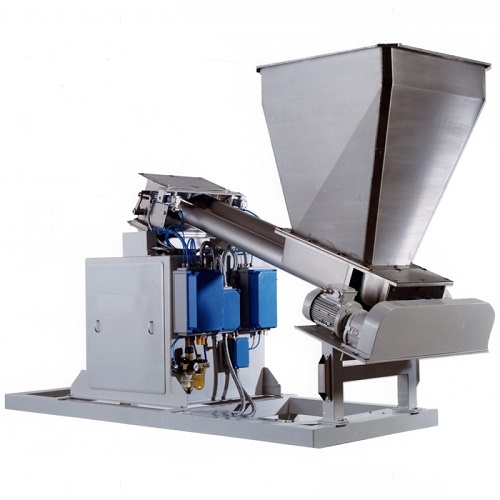
The automatic addition system can ensure that the flocculant powder in the liquid is completely diffused and dissolved. Under the specific time and speed of the stirring system, the liquid agent will not form lumps, achieving the most ideal mixing state. The flocculant is carried into the drying funnel by a constant-speed and fixed-pitch screw. The powder flocculant is conveyed into the mixer through the conveying pipe by the negative pressure drying air flow generated by the air ring vacuum pump. It fully contacts with the atomized liquid and enters the stirring tank together. After being completely dissolved by stirring, the solution is transported to the material tank. The addition amount of the variable frequency dosing pump is controlled according to the monitoring signal of the sludge liquid from the monitoring system. The entire process is fully controlled by the computer automatic control center. An automatic dosing machine generally consists of a liquid agent preparation system, a liquid agent dosing system and a monitoring and control system.
The main function of the automatic dosing machine is to proportionally and evenly add the flocculant and reinforcing agent in the dosing funnel to the drying funnel. Then, the gas ring vacuum pump conveys the two liquid agent powders after mixing to the dissolution system, where they are thoroughly mixed in the stirring tank. After the liquid powder is thoroughly mixed with water, a homogeneous mixed solution is formed. This solution is then conveyed to the material tank and can be added as needed if necessary.