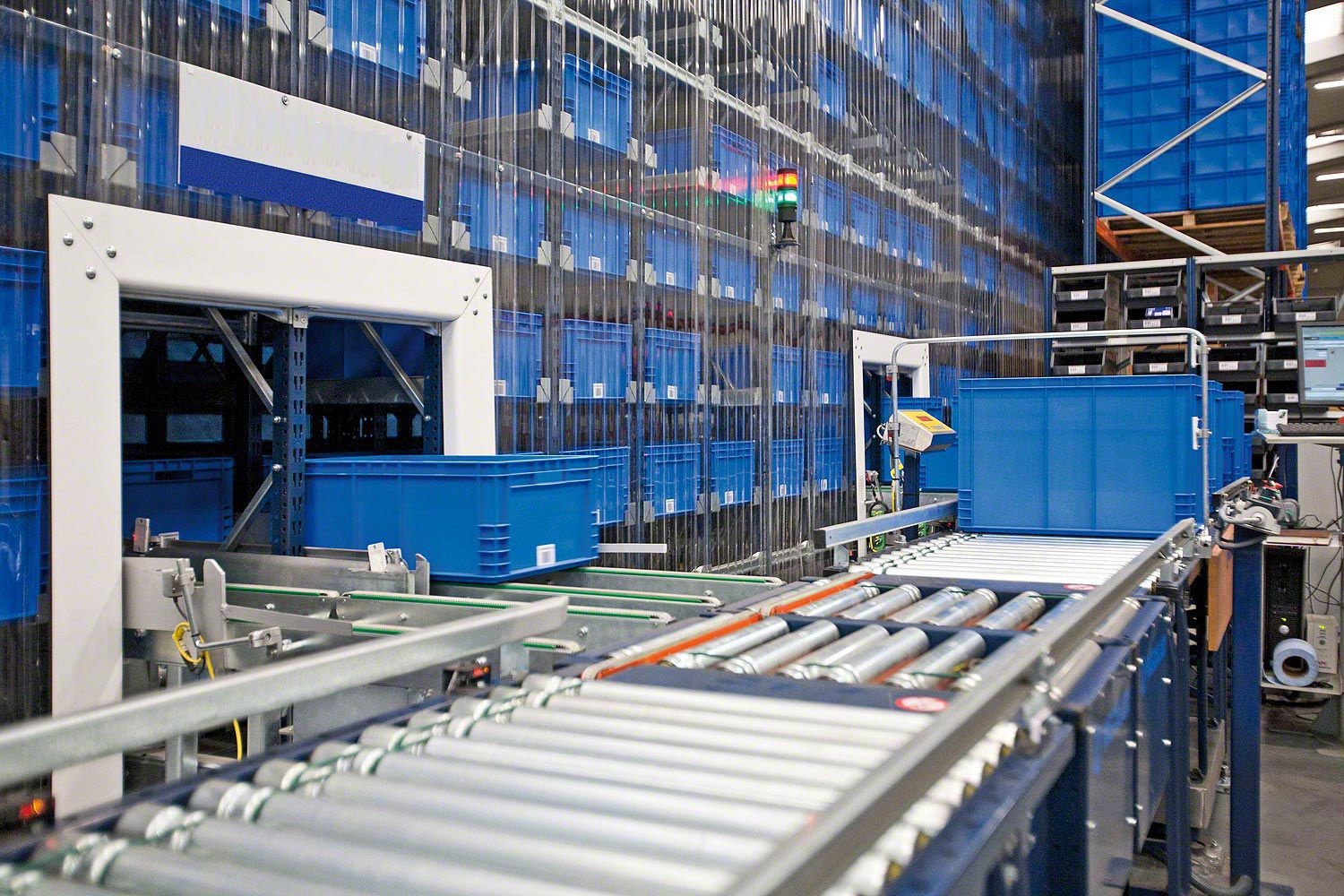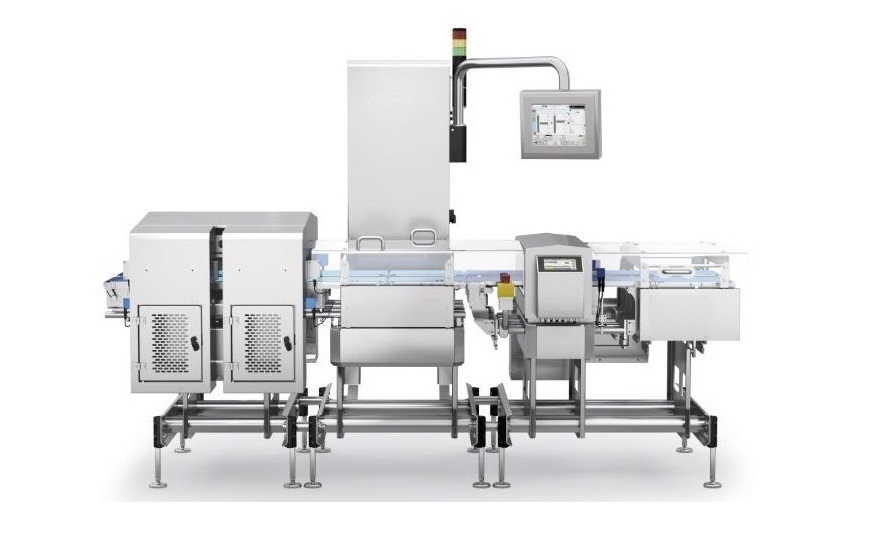






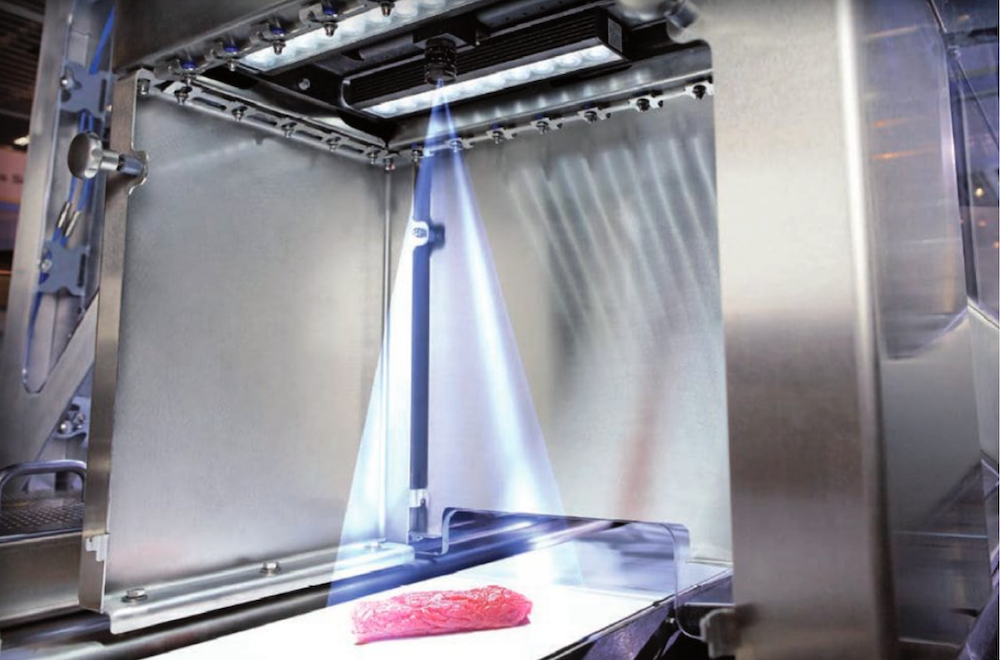
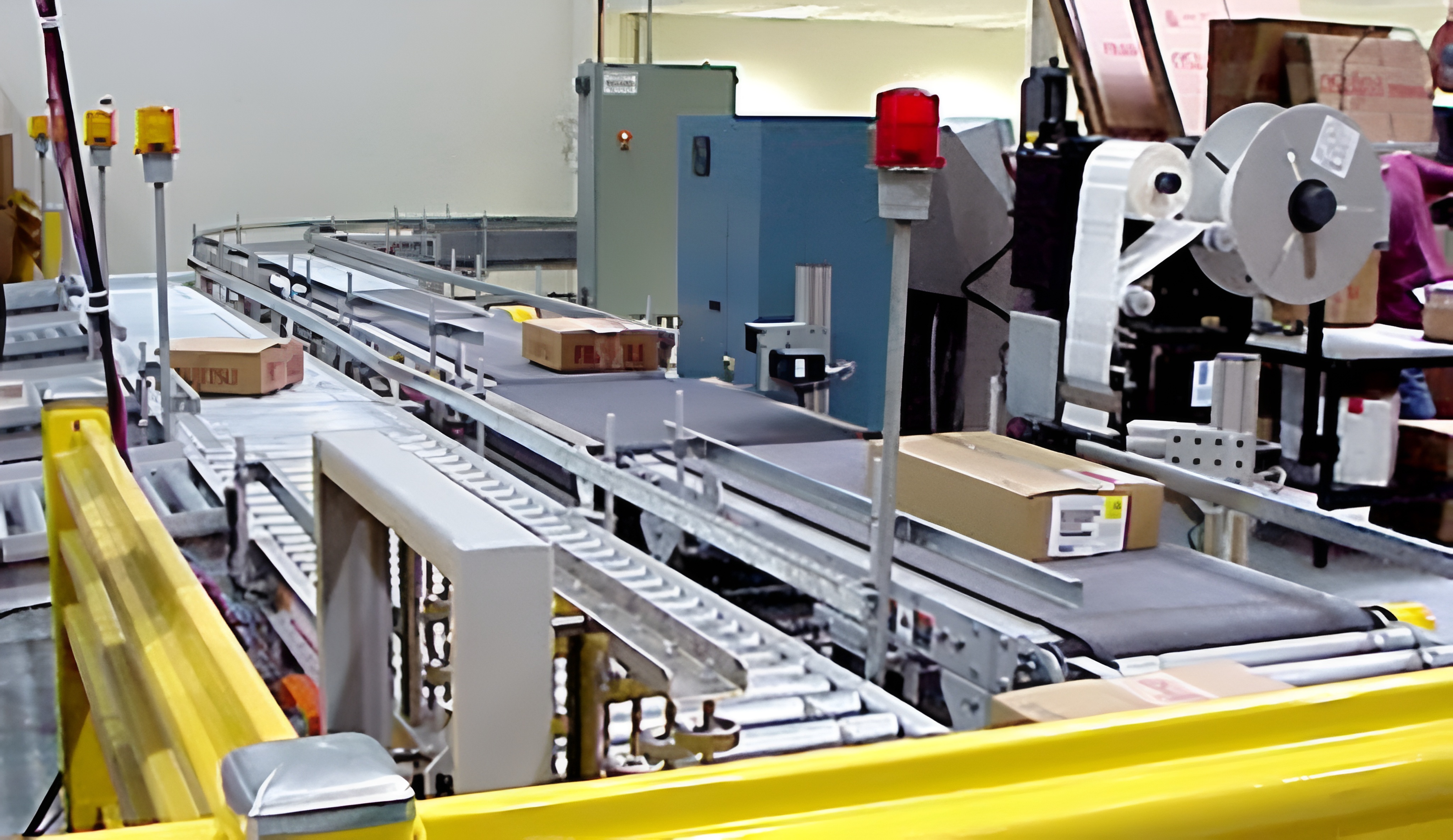
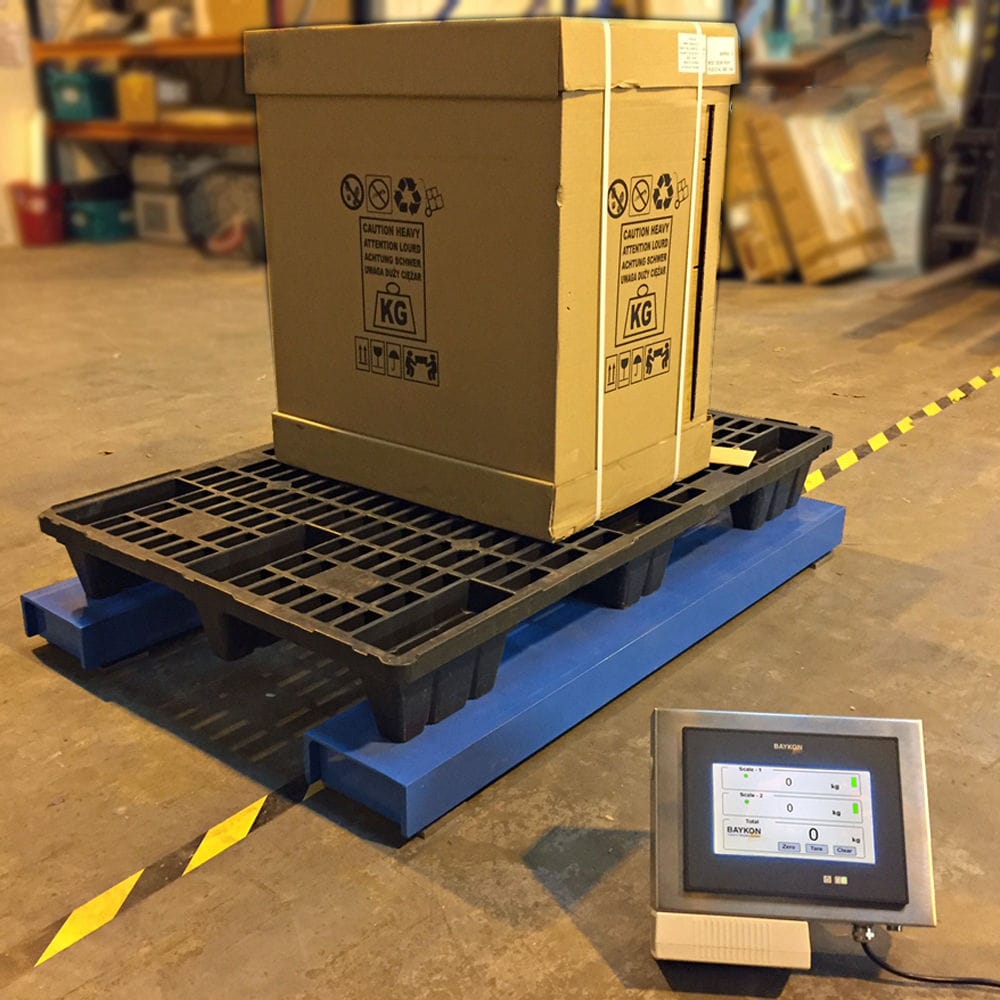


Aviation Baggage Weighing is a new concept designed online volumetric weight measurement system. The weighing system is highly accurate and well integrated, using infrared laser scanning and motor configuration conveyor belt/stainless steel conveyor shaft, conveyor belt interface fine processing, suitable for high-speed transmission of high-precision weighing and volume measurement requirements, mainly used in logistics, industrial, commercial product packaging inspection weighing occasions. The weighing system can quickly and accurately obtain the weight/volume/barcode identification data of the goods and can store or transfer the inspection data to the customer's database management system, which can help the enterprise to optimize the logistics process and improve the business decision-making.


 020-34563445
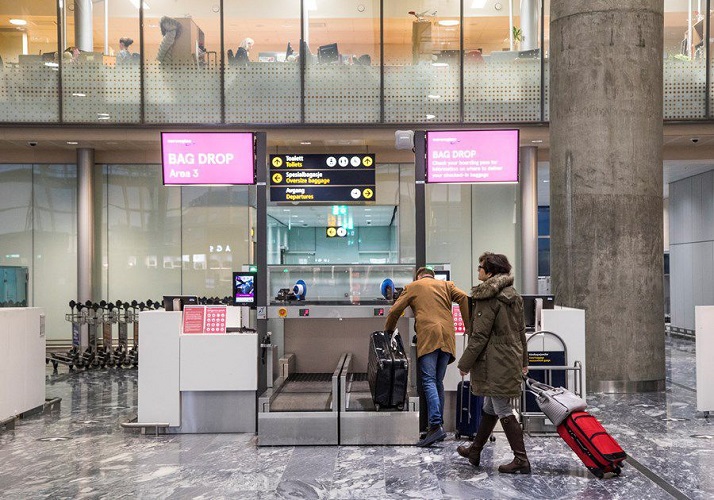
A new generation of products developed and improved on the existing basis to meet the needs of modern airport management measurement and management. Air luggage weighing has the advantages of fast and accurate weighing, rich and complete performance, convenient and simple use. Air luggage scales are widely used in airports for measuring, managing and loading passenger luggage. Green fluorescent display, clear and pleasing to the eye, integrating weighing display and control, quantity and weight accumulation, subtraction correction, fixed value setting, overweight alarm, keyboard setting, power-off protection, equipped with passenger display and communication interface, sturdy, stable and reliable scale platform structure, integrated design with belt conveyor. The luggage weighing conveyor includes a weighing platform scale component and a conveying component. The conveying component includes a frame, on which a conveyor belt is inclined. The front and rear ends of the conveyor belt are respectively connected to a first driven roller and a second driven roller. The middle of the conveyor belt is connected to a driving roller and a tensioning roller, with the driving roller connected to the driving component and the tensioning roller connected to the tensioning component. The conveyor drive components include a drive motor and a reducer. The drive motor is installed on the frame, and is connected to the reducer for transmission. The reducer is connected to the driving roller for transmission. The tensioning component of the weighing conveyor includes a tensioning screw and a guide block. The tensioning roller is fixedly connected to the guide block, and a threaded groove is provided inside the guide block. The threaded groove is connected to the tensioning screw thread. The horizontal centerline of the weighing conveyor component does not coincide with the centerline of the weighing platform scale component, and the displacement distance between the horizontal centerline of the conveying component and the centerline of the weighing platform scale component is 50mm ± 10mm. The weighing conveyor belt is equipped with a roller on the lower side of the lower end, which is connected to the frame for rotation.
The luggage weighing conveyor includes a conveyor, with protective plates A set on both sides of the conveyor, as well as a luggage lifting device set near the horizontal conveyor. The luggage lifting device includes two protective plates B corresponding to protective plates A respectively. The bottom end of protective plate B is equipped with a driving motor, which is connected to a driving screw rod. The driving screw rod includes two screw rods A and B connected in opposite directions. Both screw rods A and B are threaded with screw mother seats, and the top of the screw mother seat is hinged with a connecting rod slider mechanism. The top of the connecting rod slider mechanism is hinged with a pushing conveyor, which is hinged between the two protective plates B. The connecting rod slider mechanism can drive the pushing conveyor to rotate, and the pushing conveyor is far away from the horizontal conveyor at one end. Set up the carrier board.
In the initial state of the aviation luggage scale, the push conveyor is inclined downwards, and the carrier plate is at the bottom of the push conveyor. The luggage is placed on the carrier plate and pressed tightly against the push conveyor. Then, the drive motor is started to drive the transmission screw to rotate. Due to the opposite spiral direction of screw A and screw B, the two screw mother seats are driven to move backwards or towards each other. When the screw mother seat approaches the adjacent guide rail, the first link pushes the guide block upwards along the guide rail, so that the second link pushes the push conveyor along the protective plate B The hinge point of the conveyor begins to rotate until the upper surface of the push conveyor is level with or higher than the upper surface of the horizontal conveyor. At this point, the push conveyor is started to transport the luggage to the horizontal conveyor through the drive belt, completing the lifting and conveying of the luggage. The reverse rotation of the drive motor can reset the push conveyor.
When passengers place their luggage, they first place the luggage on the carrier board and press it tightly against the push conveyor. At this time, the carrier board is very close to the ground, which is very convenient for passengers to put their luggage on. At the same time, the carrier board can prevent the luggage from tipping over. Then, the drive motor is started to drive the transmission screw to rotate. Due to the opposite spiral direction of screw A and screw B, the two screw mother seats are driven to move backwards or towards each other. Through the movement of the screw mother seat, the connecting rod slider mechanism pushes the push conveyor, making the push conveyor move along with the protective plate B The hinge point of the push conveyor starts to rotate until the upper surface of the push conveyor is flush with or higher than the upper surface of the horizontal conveyor. At this point, the push conveyor is started to transport the luggage to the horizontal conveyor, achieving the lifting and conveying of the luggage. The reverse rotation of the drive motor can reset the push conveyor. This utility model has the function of lifting luggage, with a high degree of automation, saving time and effort for passengers to place luggage, and improving the user experience.
Technical Specifications
Maximum weighing: 150kg, 300kg
Division value: 50/100g, 100/200g
Accuracy: OLML III
Main functions: zero setting, zero position tracking, peeling, weight and quantity accumulation, subtraction correction, keyboard calibration, power-off protection, communication interface, etc
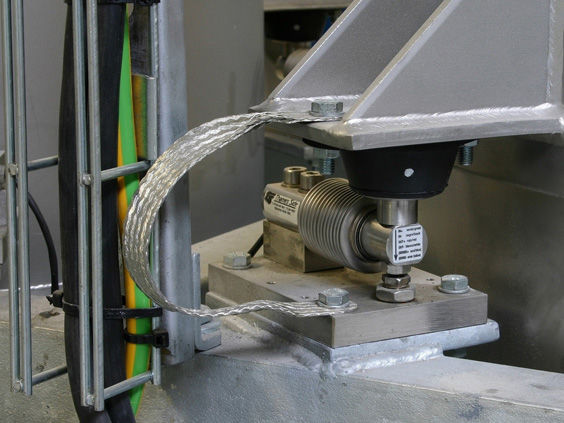
Scale platform structure: single sensor, dual sensor, or four sensor
Scale size: 500 × 750mm, 800 × 1200mm, 800 × 1500mm, etc