




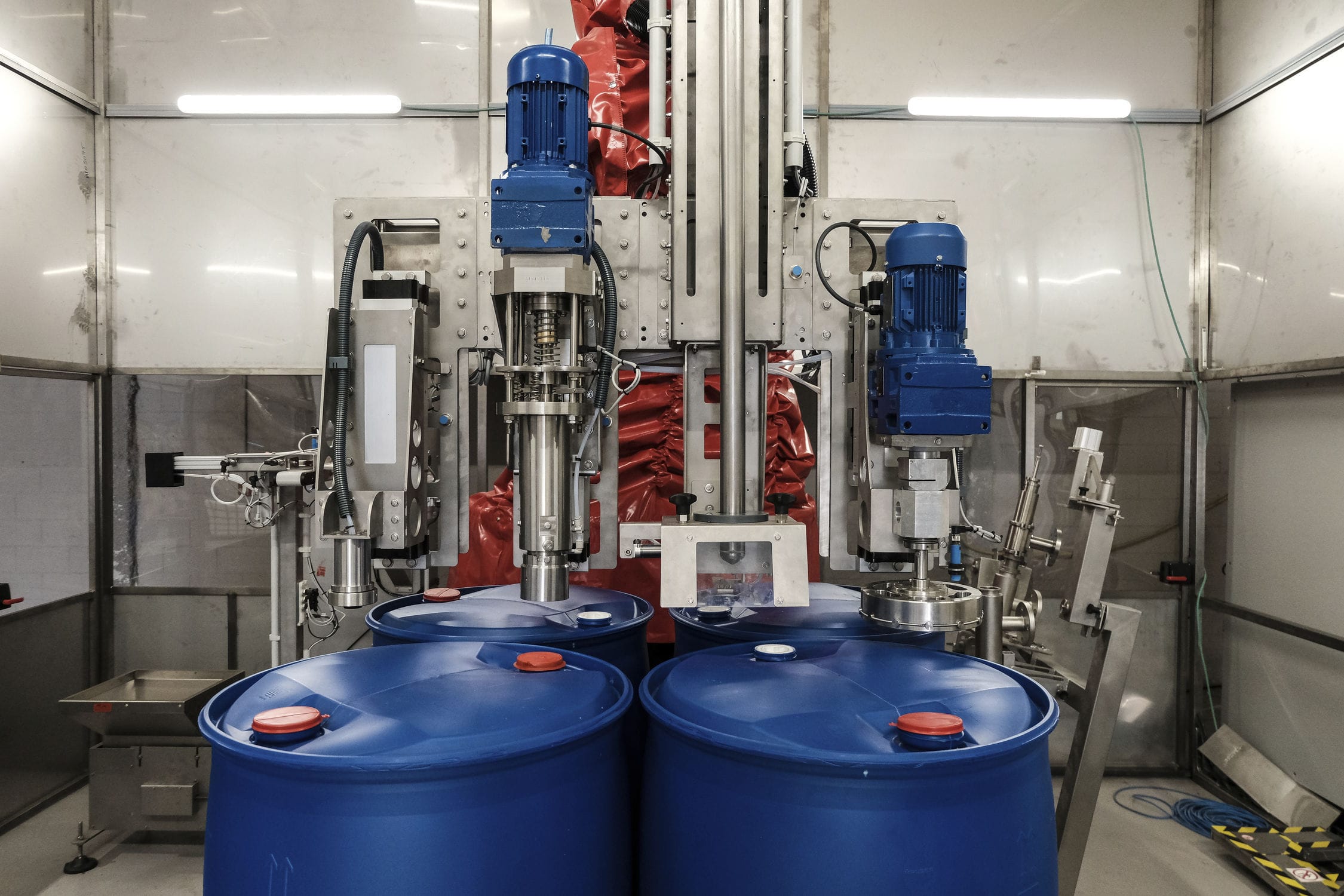
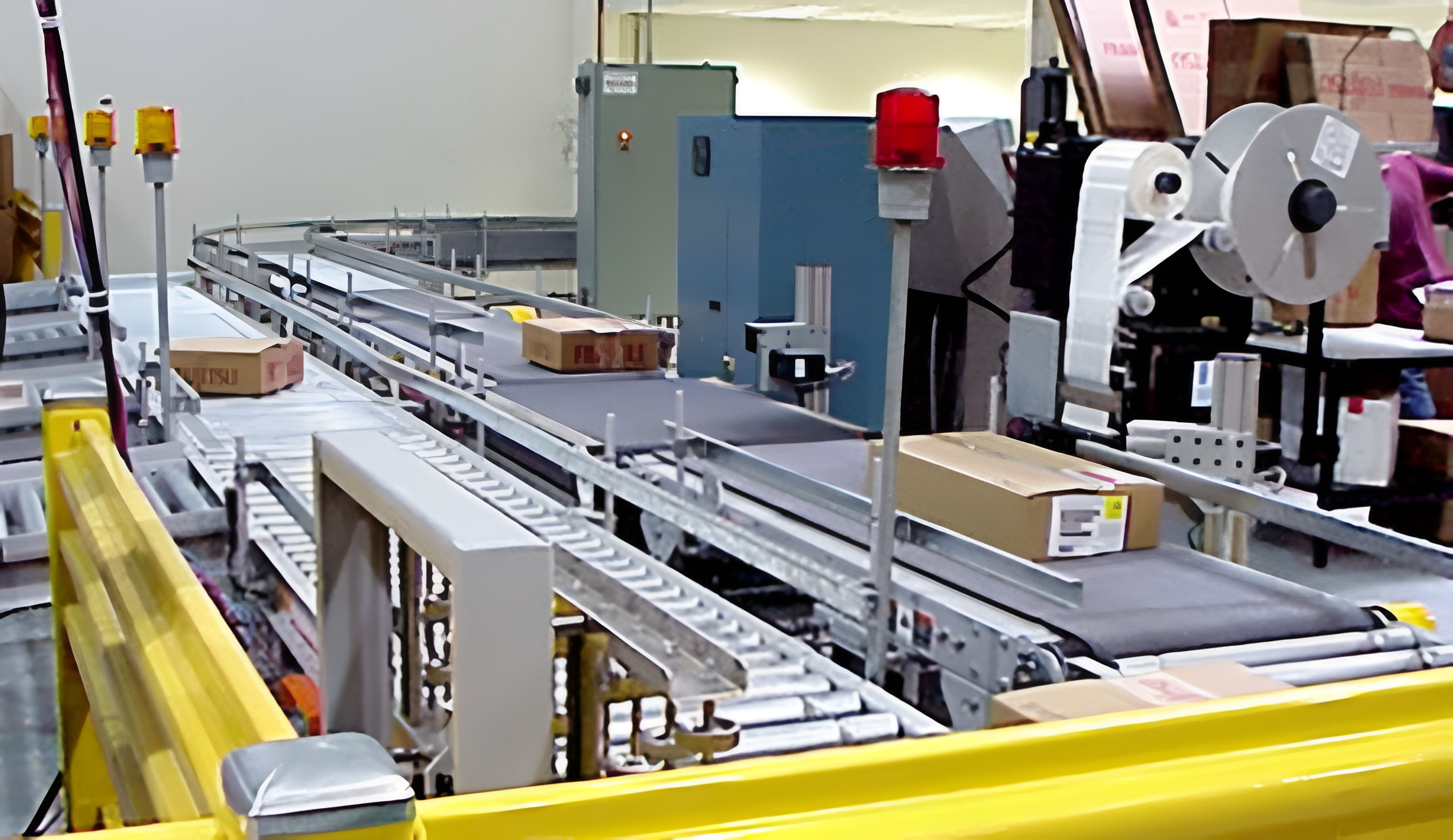
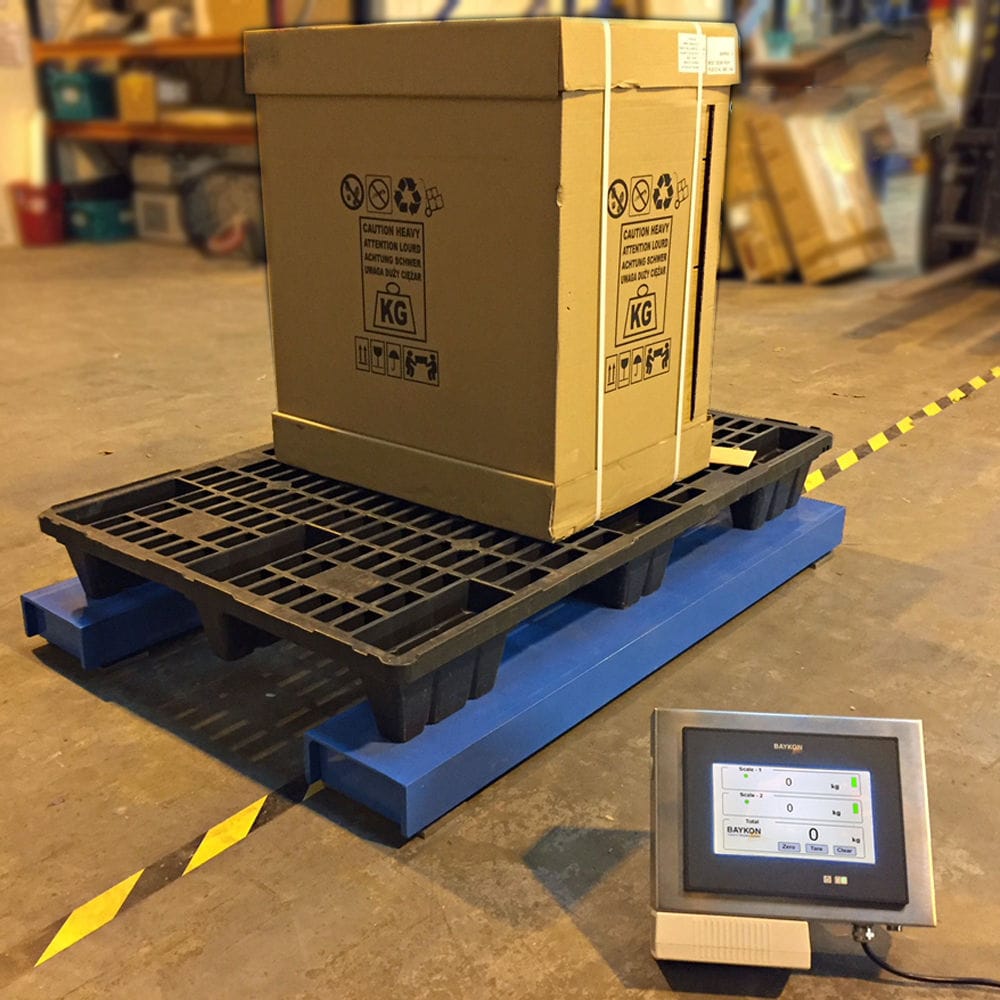


The weighing process of the weighing module of the batching control system is completed by the FTA decomposition (including the speed and speed conversion of materials). The storage and call of the formula is directly entered into SIWAREX FTA by the weight signal (mV analog signal) given by the weighing module. The control of the charging sequence of the dosing system, the generation and management of reports and alarms, etc., rely on the CPU of FX2N. The determined action signal is given to the PLC I/O card and then the PLC I/O controls the electrical equipment.


 020-34563445
The spiral Electronic scale is mainly used for the transportation and measurement of powdery and granular materials. It dynamically measures the weight of the materials while transporting them. It is mainly composed of the scale body of the spiral electronic scale, speed sensors, Weighing modules, signal transmitters, control regulators, and drive motors. The materials are fed into the scale through the feed inlet and are transported forward by the thrust of the spiral blades. When there is no material in the spiral tube, the electronic scale is adjusted to zero. When materials pass through, the weighing module converts the weight of the materials on the measurement section into a voltage signal, which is sent together with the speed signal measured by the speed sensor to the integrator for calculus processing and displayed in tons per hour as the instantaneous flow rate and in tons as the cumulative quantity. The spiral electronic scale can also achieve quantitative feeding. The internal regulator of the calculator compares the measured instantaneous flow signal value with the set flow value from the industrial control computer via the communication board, and outputs corresponding signal values based on the deviation size. The frequency converter changes the speed of the motor to a faster or slower speed to adjust the feeding amount to be consistent with the set value, thereby achieving the control of a constant feeding flow rate.
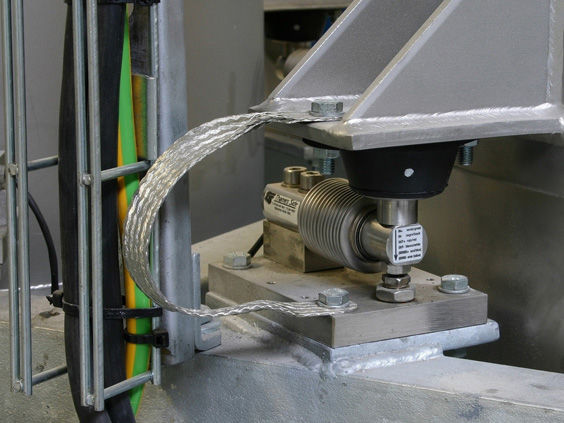
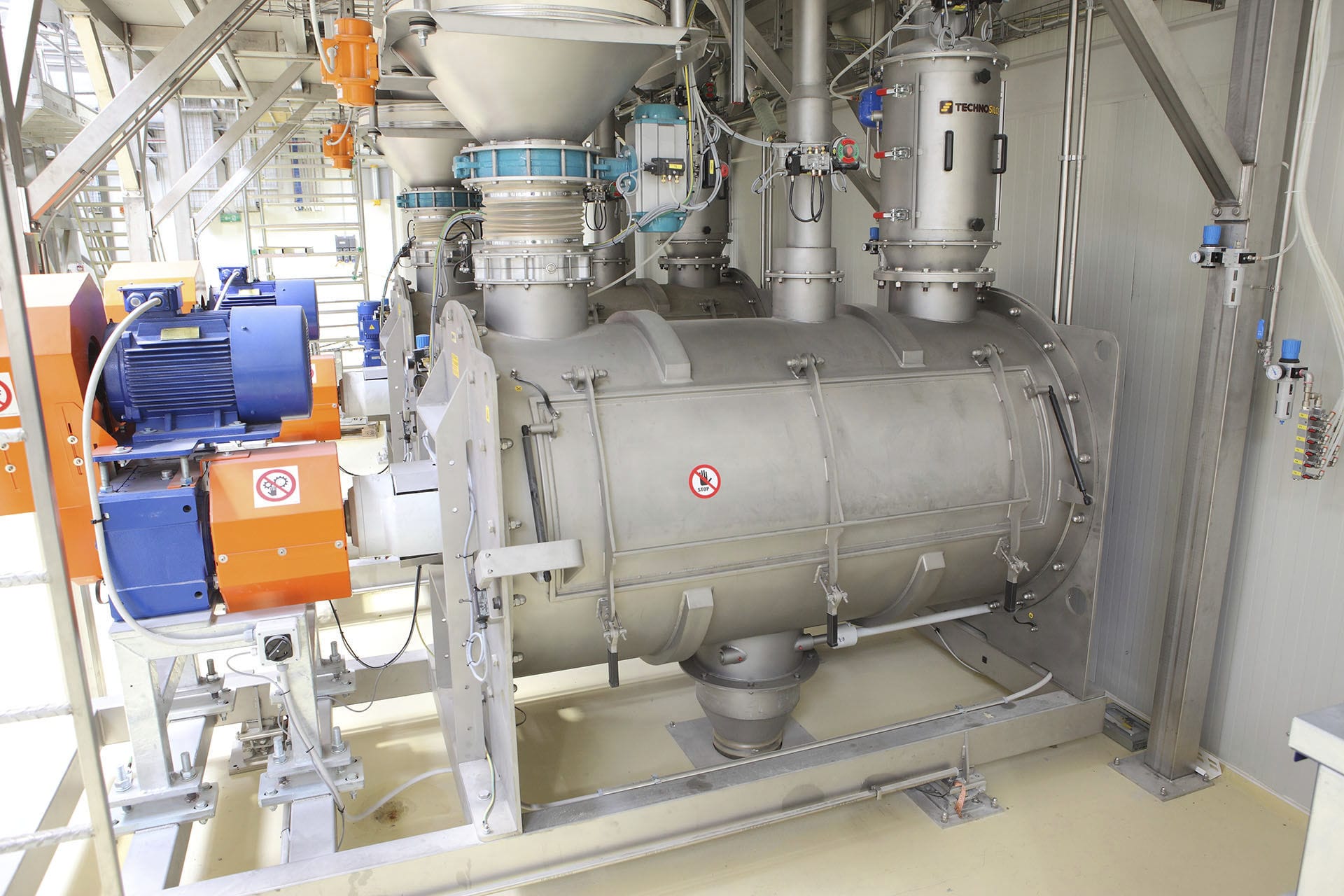
The control process of the spiral electronic scale is a multi-input, multi-output system. The various ingredient conveying production lines are strictly coordinated and controlled to monitor and adjust the material level and flow in a timely and accurate manner. The system consists of a programmable controller and the spiral electronic scale to form a two-level computer control network. It is connected to the field instruments, control computers, PLCs, and frequency converters through field buses. In the automatic ingredient batching process, the main and auxiliary materials are mixed in a certain ratio, and the spiral electronic scale completes the measurement of the materials conveyed by the conveyor. The PLC mainly undertakes real-time control of the conveying equipment and weighing process, and completes system fault detection, display, and alarm, while outputting signals to the frequency converter to adjust the motor speed. From the perspective of the composition of the electronic scale body, the full-load spiral electronic scale adopts hanging support or base support, and its structural form is fully suspended. The mass (feeling weight) of the spiral electronic scale body and the material being measured in the spiral tube are all borne by three weighing modules. Due to the fact that the weight of the electronic scale body is much greater than the load weight of the measured material, the longer electronic scale body is particularly obvious and reflects the change in the load of the material on the weighing module, which will reduce the measurement sensitivity and accuracy. The center of the feed inlet is all equipment self-weight, and the front end has basically no load change during production operation. According to the principle of lever balance, the rear weighing module bears most of the material load and the disturbance when the material enters the feed inlet. The load and change of the material flow are mainly reflected in the front weighing module. The cantilever structure of the weighing module better utilizes the principle of lever balance, and the rear adopts support support. The disturbance and most of the material load are borne by the support support. Due to the self-weight of the motor end, it can counteract part of the weight of the electronic scale body, and the weighing module can be selected with a small range to improve the sensitivity of the weighing module, thereby improving the accuracy of the electronic scale.
The materials are fed into the feed inlet of the spiral electronic scale, and inevitable impact energy will be generated. For materials with a large drop height and high bulk density, this impact energy is more obvious. If the full-suspension electronic scale body structure is used for measurement, even a slight impact will cause the electronic scale body to float. The sensor sensitivity is already relatively high, which is prone to cause fluctuations in the weighing signal, thereby resulting in inaccurate measurement. However, the cantilever structure effectively solves this problem. Since the rear support point is a support support, it can be understood as a hinge support point. This structure can withstand a large material impact energy and eliminate the fluctuation in the weighing area.
Since the rotation of the motor will transfer vibration and torque force to the electronic scale body, the cantilever structure of the electronic scale body itself is a fixed support support, and the torque force transmitted to the electronic scale body is transmitted to the fixed support, which can partially transfer this force to the foundation. At present, the cantilever structure mainly has two types of support methods. One is that its structure is of the bearing type, that is, the supporting hinges at both sides of the feed inlet adopt self-aligning roller bearings or ball bearings. With this self-aligning structure, the position can be corrected longitudinally. At the supporting hinge points, a buffer rubber sleeve is added, and the rubber can play the role of buffering and shock absorption.