logxlogx

中文
nan4
画板 1 拷贝
TECH-EXHI
技术中心
相关推荐
The application of alumina in the weighing and sorting machine production line
日期:2025.12.25

摘要:The sorting machine automatically weighs the materials, providing a certain amount of materials for the bagging machine. The feeding bin is driven by a servo motor to open and close the discharge gate, achieving coarse and fine feeding, making the feeding control stable, rapid and highly accurate. The weighing chamber is composed of three weighing modules suspended on the frame to achieve weighing. It adopts a desktop structure with an internal power supply. It is equipped with components such as a stepping motor, cylinder, solenoid valve, rotary encoder, pneumatic pressure reducer, filter, and air pressure indicator, and can be connected to various air sources. The weighing module is selected to measure different materials. The weighing module is fixed on the mesh plate and allows for the reinstallation of the sensor arrangement position or the installation in different areas of the mesh plate.

The sorting machine mainly consists of two parts: the mechanical system and the measurement and control system. It needs to complete functions such as signal collection from the weighing module, display and storage of data processing results, as well as automatic control of loading and unloading and sorting actions. Among them, the measurement and control system is divided into two parts: the weighing system and the working process control to complete the weighing and data processing work. The working process control system realizes the control of mechanical actions at each workstation through PLC. The mechanical structure part mainly includes three components: bagging machine, shaping machine, bag supply machine, vertical bag conveyor, metal detector, paper tape heat sealing machine, transfer conveyor and discharging grouping mechanism. The feeding machine is responsible for transporting the materials supplied by the vibrating hopper to the weighing station for high-precision weighing. The position of the materials is detected by the weighing sensor, and the operation of the vibrating hopper and the stepping motor is controlled by the PLC.

The weighing station is responsible for weighing the materials and transporting the weighed materials to the unloading station. It mainly includes weighing modules, pneumatic conveying devices and shockproof devices. The feeding and grouping mechanism is responsible for sorting the weighed materials and sending the materials of corresponding weight to the corresponding groups. The materials that have been missed in weighing and missed in grouping are sent to the missed material boxes. The sorting system mainly includes the collection of weighing signals, data processing, result display and storage, etc. The weighing signal is transmitted to the industrial control computer via serial communication. The industrial control computer is the core of the entire detection system. Based on the weighing instrument platform, it receives the signal sent from the serial port and performs functions such as data processing, calculation, logical judgment, display and storage of processing results by writing corresponding programs.

The sorting machine automatically weighs the materials, providing a certain amount of materials for the bagging machine. The feeding bin is driven by a servo motor to open and close the discharge gate, achieving coarse and fine feeding, making the feeding control stable, rapid and highly accurate. The weighing chamber is composed of three weighing modules suspended on the frame to achieve weighing. It adopts a desktop structure with an internal power supply. It is equipped with components such as a stepping motor, cylinder, solenoid valve, rotary encoder, pneumatic pressure reducer, filter, and air pressure indicator, and can be connected to various air sources. The weighing module is selected to measure different materials. The weighing module is fixed on the mesh plate and allows for the reinstallation of the sensor arrangement position or the installation in different areas of the mesh plate.

During weighing, the flap gate of the weighing bin is closed, and the drop gate of the feeding bin is fully open for rough feeding. The weighing controller starts to collect weighing information. When the weighing reaches a certain value, the drop gate of the feeding bin closes to the fine flow port for precise feeding. When the weighing reaches the rated value, the drop gate of the feeding bin closes, the flap gate of the weighing bin opens, and the material falls into the packaging bag, completing one weighing cycle. The working process of the quantitative sorting machine is controlled and completed by the weighing system.

The PLC controls the start of the conveyor belt. The discharge sensor detects whether there is any material in the material trough. If there is no material, the conveyor belt will automatically stop after running one cycle to wait for discharging. When the material trough is filled with material, the discharge sensor outputs a signal to the PLC, which controls the conveyor belt to continue running and simultaneously controls the pneumatic valve 5 for discharging. The time interval for each discharging can be adjusted. The material sensor is a weighing module, mainly measuring the weight of different materials. The feedback signal is sent to the PLC, which controls the pneumatic valve to act and select the material. When the detected material weight is within the set range, the feedback signal is sent to the PLC, and the PLC controls the pneumatic valve to act and select the material. When the material weight is detected to be within the second set range, the feedback signal is sent to the PLC. The PLC controls the pneumatic valve to act and select the material.

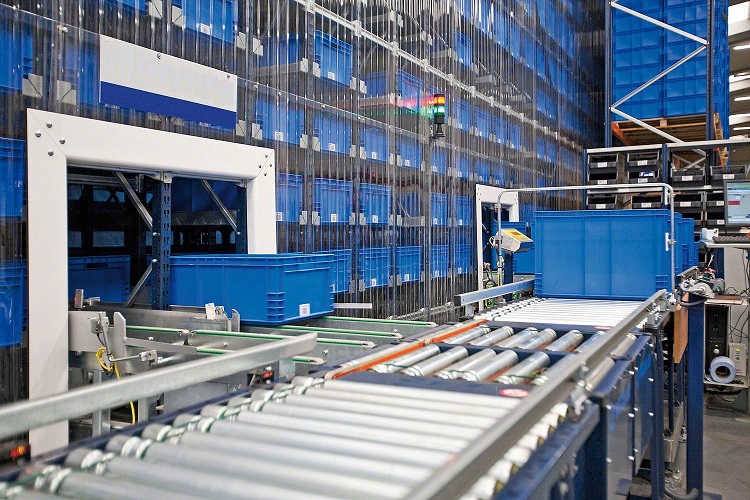
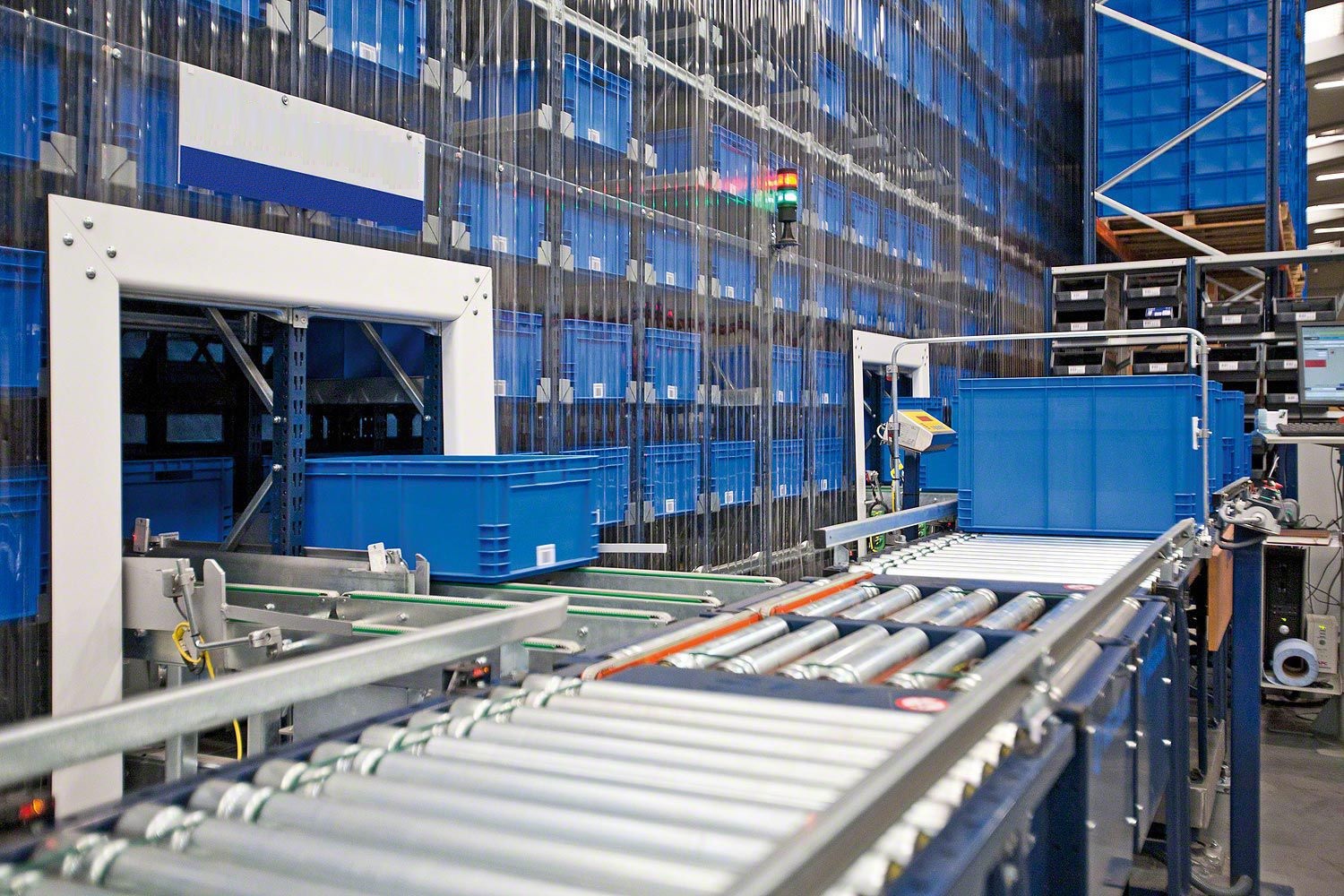
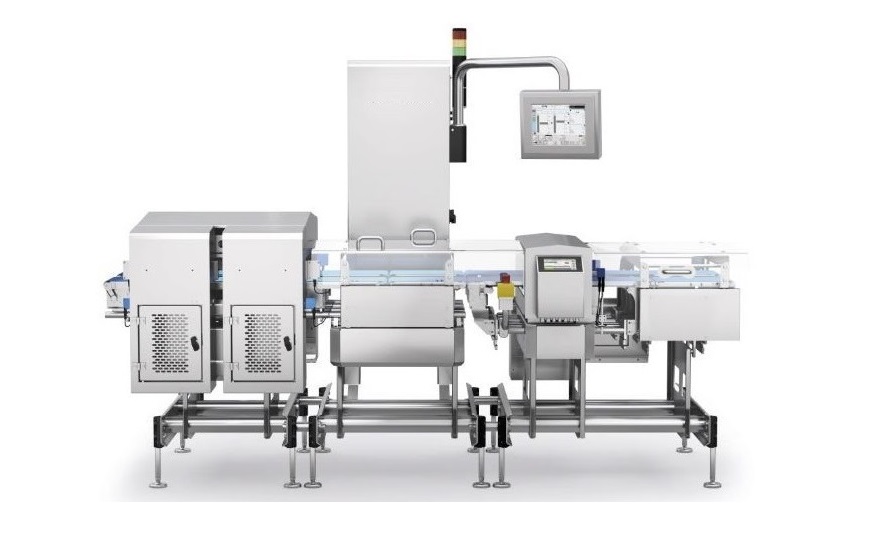
The automatic weighing and sorting machine production line is as follows:

The packaging unit involves manually placing the packaging bags on the bag supply tray of the bag supply machine. The bag supply machine automatically takes and feeds the bags, while the bagging machine automatically takes and opens the bags. Open the gate valve. The upstream materials fall into the quantitative sorting machine by gravity through the transition cylinder for fully automatic weighing. The weighed quantitative materials fall into the packaging bags, with each bag weighing 40kg. After the bags are filled with materials, they go through the processes of clamping mouth shaping, sewing, and heat sealing with paper tape during the conveying process of the vertical bag conveyor, and then are conveyed to the inverted bag conveyor.

The bag supply machine is used to provide packaging bags for the bagging machine. It consists of five parts: the bag supply tray, the bag suction machine, the bag conveyor, the sorting machine and the bag grasping machine. The bag suction machine sucks the material bags from the bag supply tray and sends them to the roller of the bag conveyor. The bag conveyor then conveys the packaging bags to the sorting machine. After the packaging bags slide down to the set position, the cylinder actions to catch the packaging bags and then slowly retreats to ensure that the packaging bags remain in the correct position on the inclined plate. The bag graber grabs the packaging bags and lifts them up to position them at the bag picking position of the bag loading machine. Wait for the bag-taking and bag-opening device of the bagging machine to remove the packaging bags.

The bagging machine is used to load the materials discharged from the quantitative separator into the material bags through the transition hopper and then convey the material bags to the vertical bag conveyor. The working principle and action sequence of the bagging machine are as follows:

1) When the bagging machine is in its initial state: The bag-taking and bag-opening device is at the bagging station.

2) During operation, the double-sided suction cups of the bag-taking and opening device close together to clamp and firmly hold the packaging bag.

3) The bag-taking and opening device operates, delivering the packaging bag to the center of the material door. The gripper immediately clamps the two corners of the bag opening (the gripper's jaw plate is equipped with a detection device. If the bag opening is not clamped, the gripper's fingers will open and discard the bag; if the bag opening is clamped, the next task will be carried out).

4) After the gripper clamps the packaging bag, draw the two corners of the bag inward. At the same time, the suction cups on both sides respectively hold the sides of the bag opening and pull them outward to open the bag opening. At this point, the detection device on the suction cup checks whether the bag opening is open. If the bag opening is not open, compressed air will be used to blow the bag away. If the bag opening is open, the material door opens and extends into the bag opening. The secondary material door flips open and the material falls into the packaging bag.

5) After the suction cup opens the bag opening, the vacuum inside the suction cup is immediately released. The bag-taking and bag-opening device is returned to the packaging bag taking station, ready to carry out the next bag-taking procedure

6) The loaded material bags are compacted by the push plate at the front of the vertical bag conveyor and lifted to the same height as the conveyor belt. At the same time, the gripper is swung outward and the fingers are spread out to return to the original position.

7) While the bag-taking and bag-opening device is performing the next action of clamping and conveying the packaging bag, the clamping plate at the front of it closes, holds the material bag, and conveys the material bag to the conveyor belt of the conveyor. At this point, the bagging machine has completed a full bagging cycle.

The jaw shaping machine is used to close the material bags to ensure their smooth entry into the sewing machine. It is driven by a reduction motor to rotate the pulley, which in turn drives the belt to move circumferentially (the conveying speed of the belt is equal to that of the vertical bag conveyor). When the material bag does not enter the clamping mouth shaping machine, two sets of pressing pulleys press the two belts together. When the material bag enters the machine, the piston rod of the cylinder on the bag clamping machine extends, pushing the pull rod and driving the pressing pulley to release the belt. The bag opening enters between the two belts, the piston rod of the cylinder retracts, and the pressing pulley returns to a tight state under the action of the spring, pressing the bag opening tightly. When the pulley rotates, the belt moves accordingly, sending the material bag to the sewing machine.

The sewing machine is used for sewing the bag opening. Its working process is as follows: when the material bag is conveyed to the sewing opening position by the vertical bag conveyor, the sewing start photoelectric switch detects it and sends a signal that the material bag is in place. At this time, the motor starts and the sewing machine begins to work, sewing the bag opening (the sewing opening speed is synchronized with the vertical bag conveyor). Then, the sewing stop photoelectric switch sends a signal that the material bag leaves. At this time, the motor is powered off. The sewing machine stops working and automatically breaks the thread, completing one working cycle. During the operation of the sewing machine, if an unexpected wire break occurs, the wire break detection device will issue an audible and visual alarm to remind the operator to handle it in time.

The paper tape heat sealing machine is used for the heat sealing of the paper tape at the opening of the material bag. Its working process is that after the opening of the material bag is sewn by the sewing machine, it enters the paper tape heat sealing machine. Under the clamping of the conveyor chain, the dust attached to both sides of the material bag is successively removed through the dust-blowing pipe and the dust removal brush at the bag opening. The opening of the material bag is cut straight with a cutter to facilitate smooth entry into the folded edge assembly. The folded edge assembly covers the opening of the material bag with hot melt tape: The tape conveyor roller conveys the material bag and the hot melt tape forward together. After the tape and the material bag pass through the tape cutter, the cutter cuts the tape behind the material bag, and at the same time, the tape conveyor device stops the conveying of the tape. The hot melt adhesive of the tape and the material bag is melted by the heating component. The tape pressing roller applies a certain pressure on both sides of the tape to make the tape completely adhere to the bag opening, sealing the material bag opening and completing the sealing process of the material bag opening.

The vertical bag conveyor is a belt conveyor. The conveying speed is adjustable by frequency conversion, which enables the conveying speed to match that of the sewing machine. The compaction mechanism at the front can compact the material bag.

When the material bag filled with materials falls onto the push plate of the dunshi mechanism, the piston rod of the dunshi cylinder extends, pushing the push plate to quickly lift the material bag upwards, making the bottom of the material bag level with the conveyor belt. At this time, the bagging machine's clamping plate closes, pushing the material bag onto the conveyor belt, and the vertical bag conveyor conveys the material bag forward The material bags, after going through the processes of clamp shaping, sewing and paper tape heat sealing in another conveying process of the conveyor, are then conveyed to the next sub-conveyor by the conveyor.

The bag-lifting mechanism of the vertical bag conveyor is equipped with a bag-blowing device. When the bagging machine is loading bags, if the gripper does not hold the bag opening or the bag opening does not open, the bag-blowing device will promptly blow away the empty bags.

The bag-flipping conveyor lays down the material bags. The laid material bags are then conveyed to the flattening conveyor to be flattened. After that, they enter the metal detector for metal impurity detection. The material bags that have undergone metal detection are conveyed to the repeated weighing scale for weight re-inspection. The material bags containing metal impurities or with unqualified weight are removed by the sorting machine. The qualified material bags are conveyed to the belt conveyor by the curved conveyor. During the conveying process of the belt conveyor, the batch numbers of the material bags are printed by the inkjet marking machine. After the batch numbers are printed, the material bags are conveyed by the belt conveyor to the slope conveyor of the palletizing unit.

The bag-dumping conveyor is a belt conveyor, driven by a reduction motor, to achieve the transportation of material bags. When the material bag is conveyed to the bag inversion conveyor, the bottom end of the material bag continues to move forward under the action of the conveyor belt, while the upper end of the material bag is blocked by the bag inversion plate and lies down on the support plate. When the material bag slides down along the support plate, under the action of the guide wheel, the material bag rotates 90° and continues to be conveyed to the next station.

The flattening conveyor is a roller conveyor. It is driven by a reduction motor through a chain to rotate the square roller assembly, achieving the flattening and conveying of material bags.

The conveyor of the metal detector is a belt conveyor, driven by a reduction motor, to achieve the transportation of material bags. When the material bag passes through the metal detector, if no metal impurities are detected by the detector, the material bag continues to be conveyed forward. If the metal detector detects metal impurities, it will issue an audible and visual alarm. The control system will track this material bag. When the material bag reaches the rejection position of the sorter, the control system will issue an instruction, and the sorter will reject the material bag.

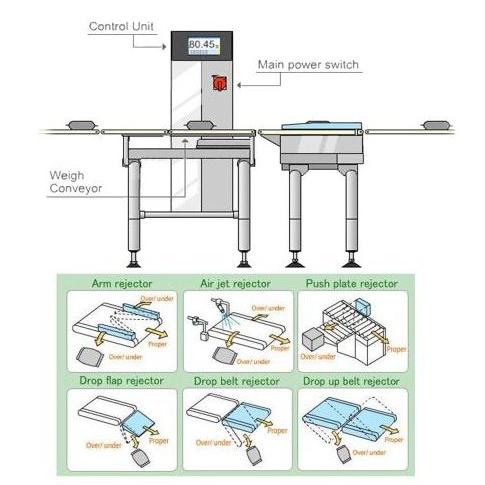
The conveyor of the repeated weighing scale is a belt conveyor, driven by a reduction motor, to achieve the transportation of material bags. The material bags enter the conveyor of the repeated weighing scale for weight re-inspection. If the weight of the material bag exceeds the tolerance, the system will issue an alarm signal. When the substandard material bag enters the rejection position of the sorting machine, the sorting mechanism will act to remove it, and the qualified material bag will be continued to be conveyed to the next machine.

The sorting machine consists of a sorting mechanism and a conveyor, which are respectively driven by a reduction motor. The conveyor is a roller conveyor, driven by a reduction motor, to complete the transportation of material bags. Its conveying speed matches the conveying line speed. The sorting mechanism lifts the flipping frame through the piston rod of the cylinder, lifting the material bags away from the conveyor rollers of the conveyor. At the same time, the picking motor starts, driving the pulley to rotate and remove the material bags from the conveyor line. The removed material bags slide down from the lower line pallet.

The palletizing unit lifts the material bags to the palletizing height by the slope conveyor, and then conveys them to the shaping and flattening machine by the roller conveyor for flattening. After that, the bags are repositioned by the repositioning conveyor in the predetermined grouping manner and sent to the grouping machine for grouping. The grouped material bags are pushed onto the stopper plate by the bag pusher machine to wait for palletizing. Under the coordinated operation of the bag-pushing and bag-pressing machine, the layering machine and the elevator, one layer of material bags is stacked onto the pallets automatically supplied by the pallet silo and pallet conveyor until one stack is completed. The pallets are conveyed out by the pallet conveyor and unloaded into the warehouse by forklifts.

When the material bag reaches the bottom of the rotating plate of the rotary conveyor, the photoelectric switch gives a signal, and the conveyor brakes and stops. The cylinders on the two bag-clamping plates of the rotary mechanism act, driving the clamping plates to rotate and tightly clamp the material bag. According to the requirements of the grouping process, the rotary motor rotates the material bag to the required Angle through synchronous belt transmission, and then the clamping plates are lifted up to return to their original position. At this point, the conveyor starts to work and the material bags are conveyed to the next workstation.

The grouping machine is used to arrange and combine the material bags that have been repositioned according to the requirements of the stack shape to meet the palletizing needs. The grouping machine adopts a 3-2 or 2-3 grouping method for the material bags. When the material bag is conveyed to a certain position on the marshalling machine, the motor brakes and the material bag stops on the marshalling machine. When the positioner conveyor sends out a conveying signal, the motor of the marshalling machine restarts. At this point, another material bag is conveyed by the positioner and reaches a certain position on the marshalling machine. Then, the motor brakes again and the conveying stops. This process continues until the material bags are arranged in a certain pattern on the marshalling machine. The bag-pushing device at the next station receives the signal and pushes the grouped material bags to the stopper plate of the bag-pushing device. Thus, the grouping machine has completed one working cycle.

The bag-pushing and bag-pressing machine is located above the bundling machine. When the bundling machine has completed the bundling of the material bags, the bag-pushing trolley pushes the material bag group to the buffer plate of the bundling machine. Then, the push plate lifts, the bag-pushing trolley returns to the initial position and stops, and the push plate returns to its original position. When the second group of material bags is compiled by the baling machine, the material bag group on the baling machine and the material bag group on the stopper plate exactly form one layer of material bags (a total of five bags). The bag-pushing trolley starts to push the material bag group on the baling machine along with the material bag group on the stopper plate to the stacking position of the layering machine. Push the bag to reset. At this point, if the palletizer is in the palletizing state (there are pallets on the lifting frame of the lift under the layering machine), the left and right layering boards of the layering machine will separate to both sides, the bag-pressing device will act, and the pressing paddle will descend along with the lift to press the material bags, shaping the material bags. When the lifting machine descends to the appropriate position, the pressure paddle of the bag-pressing device rebounds and resets, and at the same time, the left and right layering plates of the layering machine reset to the combined state. The layering machine is used to shape the material bag groups and place the shaped layer of material bags onto the pallets on the lift to complete the stacking of one layer of material bags.

When the bag-pushing and bag-pressing machine pushes the material bags from the baling machine onto the layering plates (left and right layering plates) of the layering machine, the side shaping cylinder operates, driving the left and right shaping plates to push the material bags for side shaping (at this time, the left and right layering plates are in a closed state). The reduction motor starts, driving the left and right layering plates to separate to both sides. When the two layering plates are completely separated, the reduction motor stops running, and one layer of material bag on the layering machine falls onto the pallet on the lifting platform. When the lifting platform of the elevator drives the pallet to descend, the pressure paddle of the bag-pushing and bag-pressing machine also presses down accordingly. When the lifting platform drops to the appropriate position, the pressure paddle of the bag-pushing and bag-pressing machine is lifted and reset, and the reduction motor of the layering machine rotates in reverse, driving the left and right layering plates to move towards the middle until the layering plates are closed. At this point, the layering machine has completed one working cycle.

The lift is used in the palletizing process to lift empty pallets and lower the pallets layer by layer for palletizing. The working principle is that the reduction motor transmits power to two double sprockets through the main shaft, and one side of the four chains hangs down and is connected to the counterweight. On the other side, two pendants are connected to the lifting platform, and the other two pendants are also connected to the lifting platform through the two single-row sprockets meshing with them. Driven by the reduction motor, four roller chains pull the lifting platform to rise and fall in coordination, cooperating with the layering machine to complete the palletizing work.

When the signal for pallets is received from the palletizing station, the reduction motor starts, and through chain drive, the pallets are conveyed to the pallet conveyor at the palletizing station. When the reduction motor stops, the pallet bin operates, dropping the next pallet onto the chain of the pallet conveyor and waiting for it to be sent out.

When pallets are conveyed over, the guiding mechanism cylinder of the pallet conveyor operates, pushing its positioning frame to rise. When the photoelectric switch detects the tray, the reduction motor stops running and the tray stops at the positioning frame of the guiding mechanism. The lifting platform (under the conveying roller) lifts the empty pallets to the stacking position at the bottom of the stratification machine. After a delay, the positioning frame of the guiding mechanism descendes. When the pallets are fully stacked, the lifting platform descends. As the lifting platform descends, the pallets are placed on the conveying rollers of the pallet conveyor (stacking position). The control center sends out a palletizing signal, and the reduction motor starts again to convey the pallets to the pallet conveyor (stacking position). The pallets conveyed by the pallet conveyor utilize their movement inertia to run along the idler roller track and stop at the limit seat. When the pallet reaches the limit seat, the proximity switch sends a signal indicating that the pallet is in place to the control system. The control system then alerts the workers through the alarm to remove the pallet.

The sorting machine uses suction cups to adsorb packaging bags, achieving the functions of taking and opening bags. The vacuum pump in the vacuum system of the packaging unit operates continuously. As soon as the packaging machine is turned on, the vacuum pump is in the vacuum pumping state. When the suction cup comes into contact with the packaging bag, a vacuum begins to be established in the system. When the vacuum switch set value is reached, the suction cup adheres to the packaging bag and, driven by the actuator - the cylinder, performs the corresponding operation. After the operation is completed, the vacuum valve acts, causing the suction cup to break the vacuum and release the material bag. Driven by the actuator, the suction cup returns to its original position, completing one action cycle.

The sorter is composed of an air source treatment device, an electromagnetic reversing valve, a speed control valve, a cylinder, a muffler, pneumatic hoses and various quick couplings, etc. Among them, the air source treatment device consists of an air filter, a pressure reducing valve (pressure regulating valve) and an oil mist lubricator, which are equipped with a pressure gauge. The pneumatic principle of the production line is that compressed air enters the air filter of the air source treatment device through the main line. The air filter separates the water droplets and oil droplets in the compressed air and discharges them from the pneumatic system, and filters the impurities in the compressed air. The filtered compressed air is reduced and stabilized by the pressure reducing valve and then enters the oil mist lubricator. The oil mist lubricator injects the atomized lubricating oil into the compressed air. The capacity of compressed air containing lubricating oil mist to produce alumina is weakened. This also makes the variation range of technical process parameters narrower, and the electrolytic cell is more sensitive to external interference. At the same time, due to the significant difference in properties between strongly acidic electrolytes and nearly neutral electrolytes, the process of reducing the molecular ratio of electrolytes will inevitably cause fluctuations in thermal equilibrium.


×